Kishan Reddy credits decade of reforms on Art 370, LWE, colonial laws
Synopsis
Union Minister G. Kishan Reddy on June 9, 2026, credited the past decade of BJP-led governance with dismantling institutional and physical barriers — from Article 370 and Left-Wing Extremism to colonial-era laws — as pillars of national integration and governance reform.
Key Takeaways
Kishan Reddy , Union Coal and Mines Minister and BJP Telangana president, posted on June 9, 2026 , framing the decade's reforms as removal of both physical and institutional obstacles.
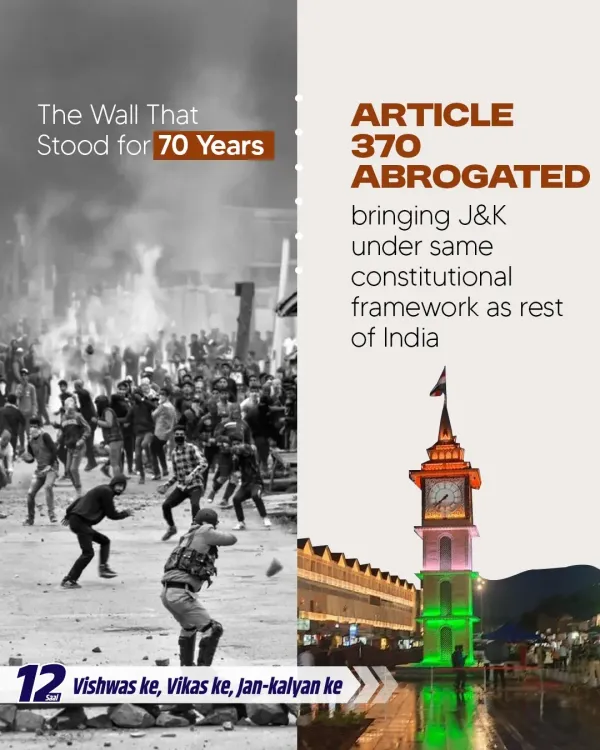
Article 370 was abrogated in August 2019 , reorganising Jammu and Kashmir into two union territories.
Three new criminal laws replacing colonial-era codes were passed in December 2023 , overhauling the Indian Penal Code, Code of Criminal Procedure, and Indian Evidence Act.
The National Policy and Action Plan on Left-Wing Extremism , launched in 2015 , combined security operations with development to reduce Maoist violence in central and eastern India.
Implementation of the 2023 criminal law reforms and judicial review of their provisions are ongoing.
The statement signals continued BJP emphasis on structural reforms as a central political message, particularly in Telangana .
Union Coal and Mines Minister G. Kishan Reddy on Tuesday, June 9, 2026, highlighted what he described as the removal of both physical and institutional barriers to India's progress over the past decade, citing the abrogation of Article 370, the reduction of Left-Wing Extremism (LWE), and the repeal of colonial-era laws as defining achievements of the central government.
Context
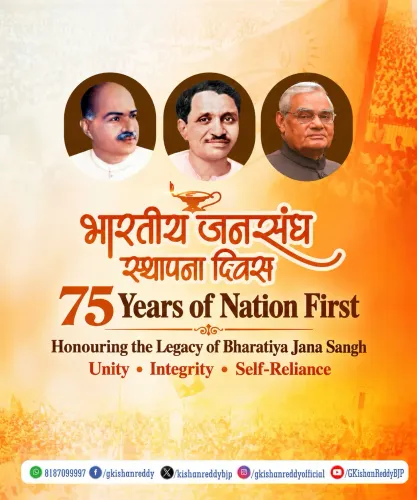
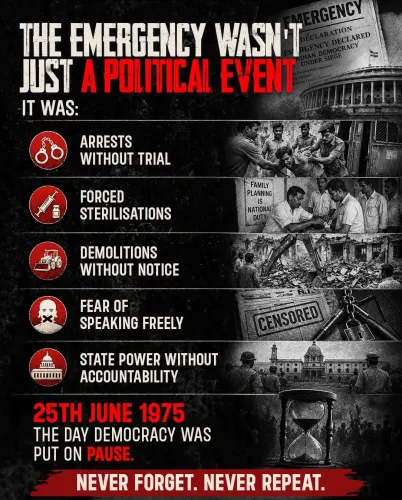
Reddy's post drew a distinction between two categories of obstacles: physical, such as insurgencies and security threats, and institutional, such as constitutional asymmetries and outdated legislation. He wrote that these 'barriers have been confronted and removed, strengthening national integration, security and governance.' The statement, accompanied by three images, was framed as a retrospective on the government's reform agenda.
The remarks reflect a broader political communication effort by the Bharatiya Janata Party (BJP), of which Reddy serves as Telangana state president, to consolidate the narrative around structural changes made since 2014.
Policy Backdrop
The most prominent of the changes referenced is the revocation of Article 370 in August 2019, through a presidential order and subsequent legislation, which stripped Jammu and Kashmir of its special constitutional status and reorganised the region into two union territories. Proponents argued the move enabled uniform application of Indian laws in the region; critics contested its constitutional validity before the Supreme Court.
On the legal reform front, Parliament in December 2023 passed three new criminal laws replacing the colonial-era Indian Penal Code, the Code of Criminal Procedure, and the Indian Evidence Act. The government positioned these as a comprehensive overhaul of a justice framework inherited from British rule. Reddy's reference to 'hundreds of obsolete colonial-era laws' aligns with this legislative push, though the precise count of statutes repealed across different categories remains a matter of ongoing documentation.
On internal security, the central government has pursued the National Policy and Action Plan on Left-Wing Extremism since 2015, combining targeted security operations with development programmes in Maoist-affected districts across central and eastern India. Official assessments have pointed to a significant reduction in LWE-related violence over the decade.
Stakeholders and Impact
Residents of Jammu and Kashmir have experienced the most direct administrative changes, with the region now governed as two union territories — J&K and Ladakh — under central oversight. Questions around statehood restoration and political representation in the region remain active areas of public and judicial debate.
Populations in LWE-affected districts across states such as Chhattisgarh, Jharkhand, and Odisha are the primary stakeholders in the anti-extremism push, where the dual focus on security and development has sought to address both the symptoms and the underlying conditions of the insurgency. Citizens at large are stakeholders in the criminal law reforms, which changed foundational legal procedures governing arrest, bail, and evidence.
What's Next
The 2023 criminal law reforms are in the early stages of implementation and face ongoing judicial scrutiny, with courts examining procedural questions raised by legal practitioners. Security assessments in former LWE-affected districts will continue to test whether the gains recorded over the decade are durable, particularly as several states in the affected belt approach assembly election cycles.
Reddy's statement, coming from a senior minister who also leads the BJP in Telangana, signals that these reform milestones will remain central to the party's political messaging as it seeks to consolidate its position in southern India.
Point of View
Internal security gains, and legal modernisation — packaged as a unified narrative of institutional barrier removal. By framing them together, the statement attempts to present disparate policy actions as a coherent, completed arc rather than ongoing or contested processes. Coming from a minister who also leads the party in a competitive southern state, the messaging carries a dual function: national legacy-building and regional political positioning. The forward risks lie in implementation — the criminal law reforms face judicial and practitioner scrutiny, and the durability of LWE gains will be tested in upcoming electoral cycles.
NationPress
26 Oct 2026
Frequently Asked Questions
What is Article 370 and why was it abrogated?
Article 370 was a constitutional provision granting special autonomous status to Jammu and Kashmir. It was abrogated in August 2019 by the central government through a presidential order and legislation, reorganising the region into two union territories — J&K and Ladakh — to bring it under the uniform application of Indian laws.
What has India done to address Left-Wing Extremism?
The central government launched the National Policy and Action Plan on Left-Wing Extremism in 2015, combining security operations with development programmes in Maoist-affected districts across Chhattisgarh, Jharkhand, Odisha, and other states. Official data indicates a significant reduction in LWE-related violence over the decade.
Which colonial-era laws has India repealed in recent years?
Parliament passed three new criminal laws in December 2023 replacing the Indian Penal Code, the Code of Criminal Procedure, and the Indian Evidence Act — all of which dated to the British colonial period. The government has also repealed other obsolete statutes as part of a broader legal housekeeping exercise.
Who is G. Kishan Reddy?
G. Kishan Reddy is a senior BJP leader who serves as Union Minister of Coal and Mines and as the BJP's Telangana state president. He has been a member of the Union Cabinet since 2019.
What is the current status of the 2023 criminal law reforms in India?
The three new criminal laws passed in December 2023 are in the implementation phase. They have drawn scrutiny from legal practitioners and are subject to ongoing judicial examination over procedural questions, while courts and law enforcement agencies adapt to the new framework.