Union Minister Kishan Reddy to flag drug syllabus with PM
Synopsis
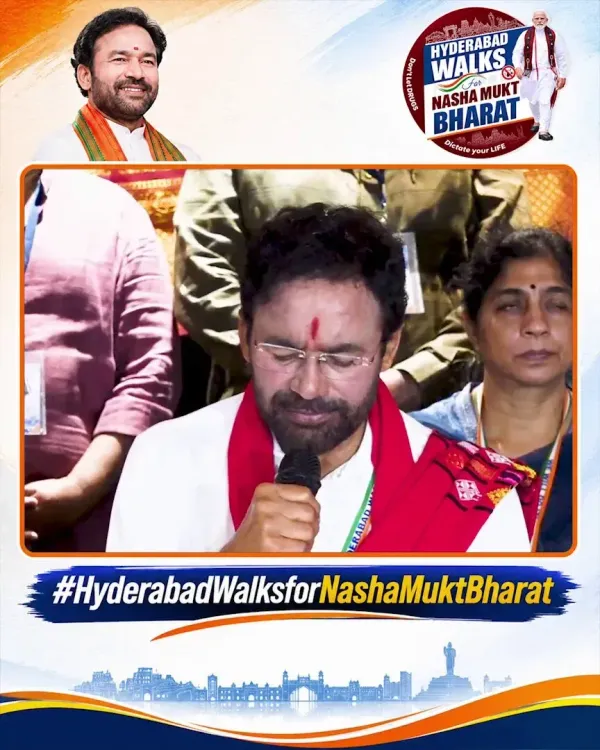
Union Coal and Mines Minister G. Kishan Reddy said awareness on drugs must rise in schools and colleges and that he will place a syllabus-inclusion proposal before Prime Minister Narendra Modi. The pitch fits NEP 2020's health and well-being frame and would need education boards to act.
Key Takeaways
On Friday, November 27, 2026, Union Coal and Mines Minister G.
Kishan Reddy said drug awareness must be increased among school and college students.
He said he would take a proposal to include the topic in the syllabus to Prime Minister Narendra Modi's attention.
Reddy also serves as BJP Telangana state president; his Union portfolio is coal and mines, not education.
The National Education Policy 2020 already called for integrating health, well-being and value education into school curricula.
Any syllabus change would still require the Ministry of Education, state boards and universities to implement it.
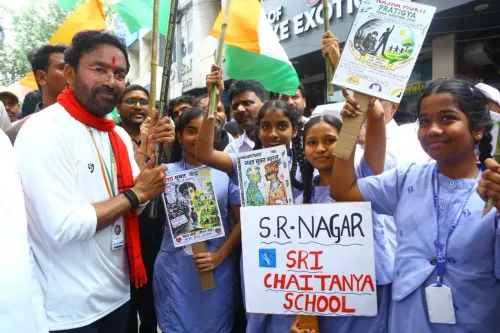
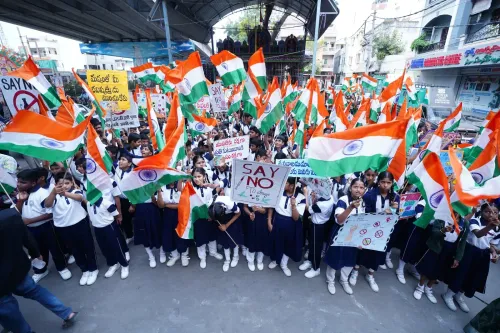
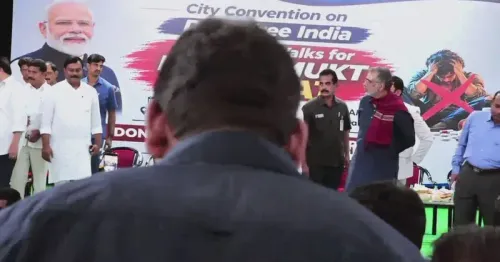
A threat that has crept from street corners into campuses is being framed as classroom work. On Friday, November 27, 2026, Union Coal and Mines Minister G. Kishan Reddy said students in schools and colleges must get stronger awareness about drugs, and that he would carry a proposal to put the topic in the syllabus to Prime Minister Narendra Modi.
In a post on X, Reddy wrote in Telugu that awareness on drugs should be raised among students in schools and colleges. He added: సిలబస్లోనూ చేర్చాలనే అంశాన్ని ప్రధాని గారి దృష్టికి తీసుకెళ్తాను (I will take the matter of including it in the syllabus to the Prime Minister's attention).
From campus concern to a syllabus ask
The pitch is blunt. Reddy, who also heads the BJP in Telangana, is not waiting for another standalone campaign. He wants the warning built into what students are taught — a shift from posters and one-off lectures toward formal curriculum time.
Indian ministers have periodically treated substance abuse as a youth issue that schools should own. Drug demand reduction already runs through central schemes and state-level drives. The new ask is to lock that message into textbooks and class periods, not only into awareness weeks.
NEP 2020 already opened the classroom door
The National Education Policy 2020 called for integrating health, well-being and value education into school curricula. A module on drugs would sit inside that frame rather than invent a new subject from scratch.
Who would feel it first? School students and college youth — the groups most exposed to peer pressure and shifting supply chains. A syllabus change would still need the Ministry of Education, state boards and universities to move in step. Reddy's own charge is coal and mines; the education brief sits elsewhere. That is why the message is being routed to the Prime Minister.
Education boards still hold the pen
Any follow-up from the Prime Minister's Office or the education ministry on curriculum updates would turn a public pledge into drafting work. Debates on education or health in Parliament could also pick up the thread.
Until then, the proposal is a signal: the fight against drugs, in Reddy's telling, belongs in the timetable, not only in the police file. The test is whether the Prime Minister's desk treats it as a curriculum item — and whether boards write it in.
Point of View
Not tweets, still write the syllabus. Watch whether the PMO or the education ministry treats this as a drafting brief or lets it remain a political signal.
NationPress
27 Nov 2026
Frequently Asked Questions
What did G Kishan Reddy say about drugs in schools?
Union Coal and Mines Minister G. Kishan Reddy said awareness about drugs should be increased among students in schools and colleges, and that he would take a proposal to include it in the syllabus to Prime Minister Narendra Modi.
Will drug awareness be added to the Indian school syllabus?
No decision has been announced. Reddy said he would place the idea before the Prime Minister; any change would still need the Ministry of Education and school boards to adopt it.
What does NEP 2020 say about health in the curriculum?
The National Education Policy 2020 called for integrating health, well-being and value education into school curricula, a frame that could accommodate a drugs-awareness module.
Who is G Kishan Reddy?
G. Kishan Reddy is the Union Minister of Coal and Mines and the BJP's Telangana state president.
Why would a coal minister raise a school syllabus issue?
Union ministers sometimes flag cross-sector social issues such as youth substance abuse even when the subject sits with another ministry, and Reddy said he would take this proposal to the Prime Minister's attention.