Kishan Reddy backs Nasha Mukt Bharat anthem for drug-free youth
Synopsis
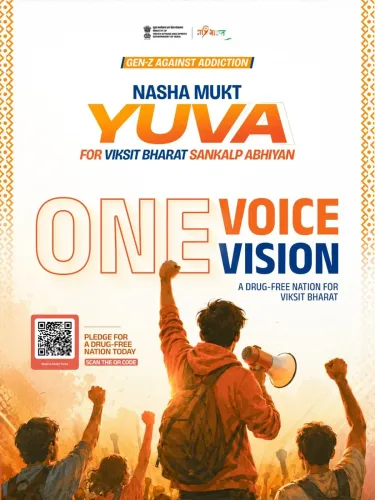
Union Minister G. Kishan Reddy amplified the Nasha Mukt Bharat Abhiyan on 20 November 2026, sharing an anthem video on X and calling on Indians to join hands in building a drug-free nation where youth prioritise dreams and health over addiction.
Key Takeaways
Kishan Reddy , Union Minister of Coal and Mines, shared a Nasha Mukt Bharat anthem video on X on 20 November 2026 .
The Nasha Mukt Bharat Abhiyan was launched in August 2020 by the Ministry of Social Justice and Empowerment to combat substance abuse.
The post tagged #MYBharat , the central government's youth volunteerism and engagement platform.
Reddy's participation extends the campaign's reach beyond its home ministry, reflecting a whole-of-government amplification strategy.
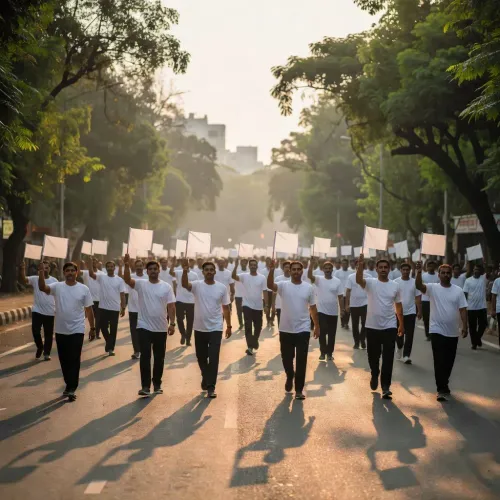
The campaign targets students, youth, and communities through awareness drives, pledges, and digital content.
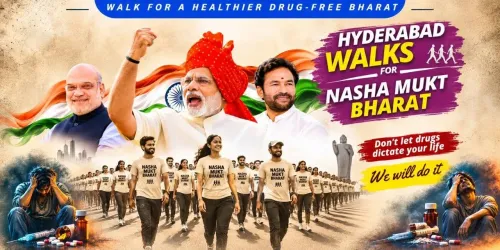
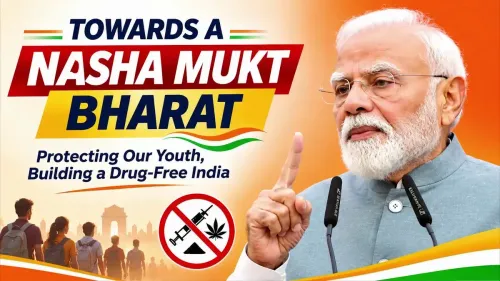
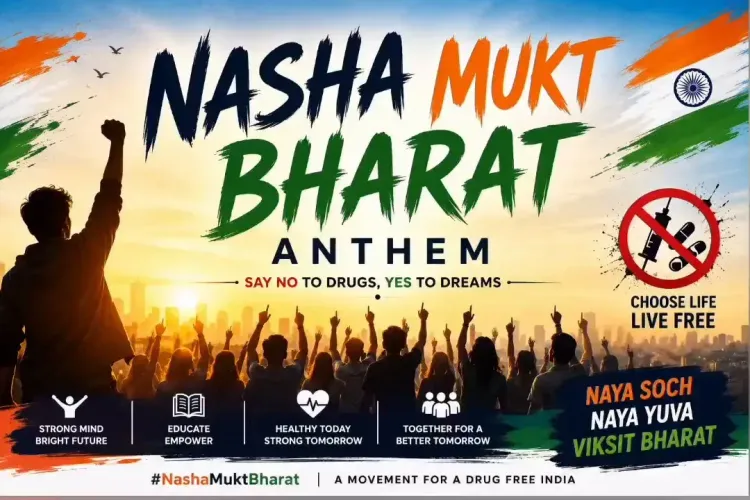
India's youth have a new anthem to rally behind — and Union Coal and Mines Minister G. Kishan Reddy wants every Indian to hear it. On Friday, 20 November 2026, the minister took to X to amplify a video anthem tied to the Nasha Mukt Bharat campaign, urging citizens to choose 'dreams, health and a brighter future over addiction.'
The anthem and the ask
Reddy's post carried a direct, personal appeal: 'Let us join hands to build a Nasha Mukt Bharat where our youth choose dreams, health and a brighter future over addiction.' He shared a YouTube link to what he described as an 'inspiring anthem' and tagged both #NashaMuktBharat and #MYBharat — the government's youth-engagement platform — signalling a coordinated push to seed the message across digital networks.
The call to 'watch and share' reflects a standard tactic in the campaign's social-media playbook: mobilise ministers across portfolios to amplify a unified message well beyond any single ministry's reach.
What is Nasha Mukt Bharat Abhiyan?
The Nasha Mukt Bharat Abhiyan was launched in August 2020 by the Ministry of Social Justice and Empowerment as a national awareness drive against substance abuse. It targets students, youth groups, and local communities — mobilising them through workshops, pledge drives, and increasingly, digital content. The campaign has run continuously since its launch, with periodic bursts of promotional activity across social platforms.
MY Bharat, the second platform tagged in Reddy's post, is a central government initiative for youth volunteerism and nation-building. Its integration into the anti-drug messaging broadens the campaign's reach to a digitally active, civically engaged demographic.
Ministers across portfolios amplify the signal
Reddy's portfolio — coal and mines — sits far from the social-welfare brief that formally owns this campaign. His participation underscores a deliberate government strategy: treat substance-abuse prevention not as a siloed welfare issue but as a whole-of-government moral priority, with every minister lending their platform to the cause. It is a model the central government has used repeatedly since 2020, turning periodic campaign moments into cross-ministry megaphone events.
India's drug-abuse challenge is acute enough to warrant the attention. Communities across states — from Punjab's well-documented opioid crisis to rising synthetic-drug use in urban centres — give this campaign its urgency. An anthem that travels virally could reach corners no policy circular ever would.
If a song can carry a message where a government notice cannot, the minister's ask to 'watch and share' is less a social-media formality and more a genuine distribution strategy.
Point of View
It reinforces his public identity beyond his coal-and-mines brief, projecting a welfare-conscious profile useful ahead of Telangana's competitive political landscape. The real test, however, remains implementation: how the Abhiyan translates viral anthems into measurable reductions in substance-abuse rates is a question Parliament is yet to fully scrutinise.
NationPress
20 Nov 2026
Frequently Asked Questions
What is Nasha Mukt Bharat Abhiyan?
Nasha Mukt Bharat Abhiyan is a national campaign launched in August 2020 by India's Ministry of Social Justice and Empowerment to raise awareness against drug and substance abuse, targeting youth, students, and communities.
Who is G. Kishan Reddy?
G. Kishan Reddy is India's Union Minister of Coal and Mines and also serves as the BJP's Telangana state president.
Why is a Coal Minister promoting an anti-drug campaign?
The central government routinely asks ministers across all portfolios to amplify social welfare campaigns on social media, extending the message beyond the ministry formally responsible for the scheme.
How can I watch the Nasha Mukt Bharat anthem shared by Kishan Reddy?
G. Kishan Reddy shared the anthem video via a YouTube link in his post on X on 20 November 2026, tagged under #NashaMuktBharat and #MYBharat.