PM Modi launches Nasha Mukt Yuva drive, calls India's youth 'socially conscious'
Synopsis
Modi's latest youth outreach goes beyond a speech — it pairs a grassroots Sunday movement with a formal five-year Kashi Declaration backed by 125 spiritual organisations. Whether weekly walkathons can translate into measurable drug abuse reduction is the real question this campaign must eventually answer.
Key Takeaways
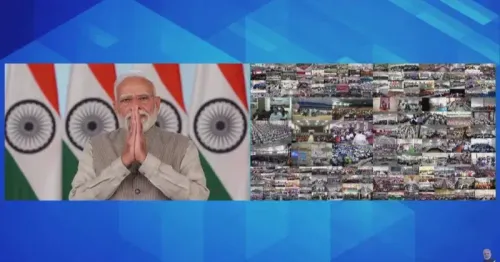
PM Modi launched the Nasha Mukt Yuva for Viksit Bharat Sankalp Abhiyaan via video conferencing on 2 August .
The campaign is led by MY Bharat youth volunteers as a nationwide Jan Bhagidari movement.
125 spiritual organisations are participating, all signatories to the Kashi Declaration — a five-year drug-free India roadmap adopted at the Youth Spiritual Summit in Varanasi, July 2025 .
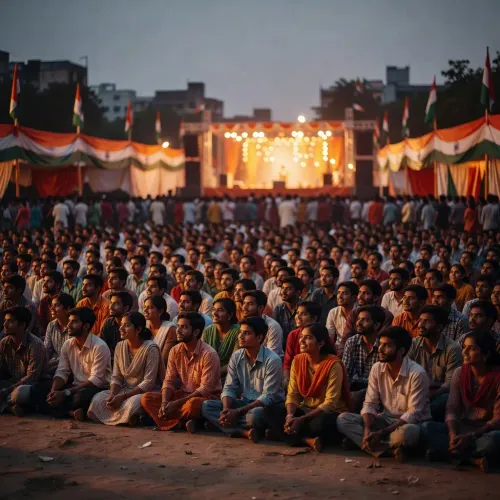
Weekly activities every Sunday will include sports events, walkathons, meditation, and awareness campaigns.
Modi called India's youth the 'Amrit peedhi' , urging them to stay drug-free to drive Viksit Bharat 2047 goals.
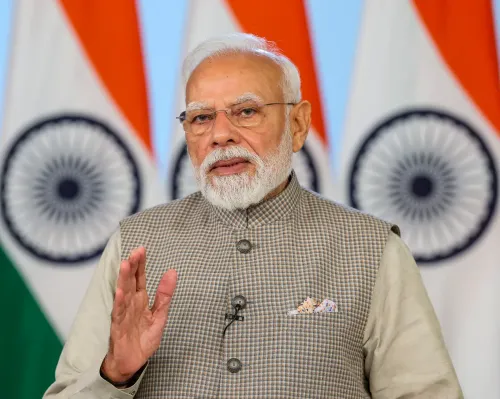
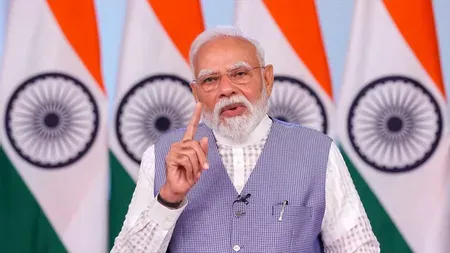
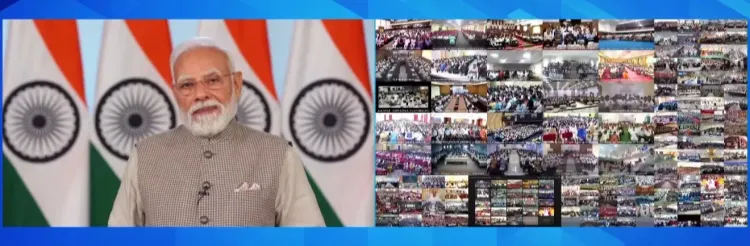
Prime Minister Narendra Modi on Sunday, 2 August launched the 'Nasha Mukt Yuva for Viksit Bharat Sankalp Abhiyaan' via video conferencing, hailing the commitment of India's younger generations toward eliminating drug addiction as proof that the country's youth is 'aware, socially conscious, and serious about their duties.' The nationwide campaign is anchored in a Jan Bhagidari — people's participation — model, led by MY Bharat youth volunteers.
What the Campaign Entails
The initiative is designed as a weekly movement, with activities organised every Sunday across the country. Planned programmes include sports events, walkathons, meditation sessions, cultural performances, and awareness drives. The central message, according to campaign organisers, is that 'drug-free youth are the greatest strength of Viksit Bharat.'
The campaign traces its roots to a pilot project launched from Varanasi — Modi's parliamentary constituency — and draws on what the Prime Minister described as the city's 'spiritual energy, blessings of saints, and cultural heritage.' Notably, 125 spiritual organisations are reportedly participating in the drive, all of which have adopted the Kashi Declaration — a five-year roadmap for a drug-free India adopted at the Youth Spiritual Summit in Varanasi in July 2025.
What PM Modi Said
Addressing the programme, Modi said: 'We are gathered here for a great and important resolution... This initiative is for an individual, family, society and most importantly, for the country... When the country is moving forward towards the resolution of Viksit Bharat, then the country's youth must be mentally and physically healthy and away from the problem of drugs.'
Referring to India's youth as the 'Amrit peedhi' — the generation of the centenary — Modi added: 'In the next 20-25 years, you will give a direction to your lives. You will be the ones who will take India towards the resolution of Viksit Bharat till 2046... The country needs your energy, creative imagination and talent. Hence, for the country and your own lives, keep yourselves away from drugs.'
Broader Policy Context
The campaign aligns with Modi's stated vision of a Nasha Mukt Bharat (drug-free India) and is positioned as a grassroots complement to the government's larger Viksit Bharat 2047 development agenda. This is not the first such initiative — anti-drug drives have been a recurring feature of government outreach, but the integration of spiritual institutions and a structured five-year declaration marks a more formalised approach than previous campaigns.
The government aims to channel youth energy into a collective social movement, with public participation seen as central to sustaining long-term behavioural change on substance abuse.
What Comes Next
With weekly Sunday activities now planned at the national level, the campaign's reach and participation numbers will be closely watched as indicators of ground-level impact. The effectiveness of the Kashi Declaration's five-year roadmap will ultimately depend on measurable outcomes in drug abuse reduction — a metric the government has not yet publicly detailed.
Point of View
With limited evidence of sustained behavioural change at scale. What distinguishes this iteration is the formal Kashi Declaration — a five-year roadmap with institutional backing from 125 spiritual organisations — which at least creates a framework for accountability. However, the government has not specified measurable targets for drug abuse reduction, which means the campaign risks becoming a well-attended movement without a verifiable outcome. The Viksit Bharat framing is politically astute, linking youth health to national ambition, but the harder work of monitoring outcomes remains unaddressed.
NationPress
16 Sept 2026
Frequently Asked Questions
What is the Nasha Mukt Yuva for Viksit Bharat Sankalp Abhiyaan?
It is a nationwide anti-drug campaign launched by Prime Minister Narendra Modi on 2 August, aimed at mobilising India's youth against substance abuse. The initiative is led by MY Bharat youth volunteers and includes weekly Sunday activities such as walkathons, sports events, and cultural programmes across the country.
What is the Kashi Declaration?
The Kashi Declaration is a five-year roadmap for a drug-free India, adopted at the Youth Spiritual Summit held in Varanasi in July 2025. It has been endorsed by 125 spiritual organisations participating in the campaign.
Why did PM Modi launch this campaign from a video conferencing platform?
PM Modi addressed the launch event via video conferencing, connecting with youth volunteers and participants across the country. The format allowed simultaneous reach to multiple locations for the nationwide Jan Bhagidari movement.
How does this campaign connect to Viksit Bharat 2047?
The campaign is framed as a building block of India's Viksit Bharat 2047 development vision, with the government arguing that a drug-free, mentally and physically healthy youth population is essential to achieving the country's long-term goals. Modi referred to today's youth as the 'Amrit peedhi' who will lead India to its centenary development targets.
Who is affected by or involved in this initiative?
The campaign targets young citizens across India, with MY Bharat youth volunteers as the primary driving force. Additionally, 125 spiritual organisations are involved as institutional partners, and the initiative is open to public participation through weekly Sunday events nationwide.