PM Modi pushes 'Nasha Mukt Yuva' campaign for drug-free India by 2047
Synopsis
In his 137th Mann Ki Baat, Modi didn't just invoke a slogan — he issued a creative brief to an entire generation. With over 1 crore youth already enrolled and 28,000 locations connected at launch, the 'Nasha Mukt Yuva' campaign is being built as a citizen-led cultural movement, not just a government scheme, with a 2047 deadline tied to India's development identity.
Key Takeaways
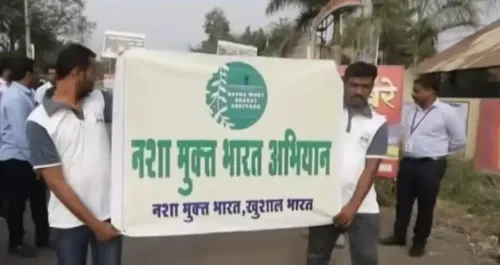
PM Modi used the 137th episode of Mann Ki Baat on 30 August to urge mass participation in the 'Nasha Mukt Yuva for Viksit Bharat' campaign.
The campaign was formally launched on 2 August , connecting over 28,000 locations nationwide.
More than 1 crore youth participated at the time of the campaign's launch.
Modi called on musicians, students, and theatre groups to create content in multiple languages promoting a drug-free life.
The campaign's stated goal is a drug-free India by 2047 , aligned with the Viksit Bharat vision.
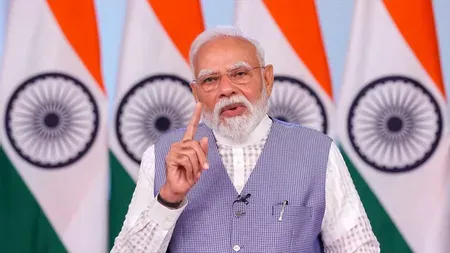
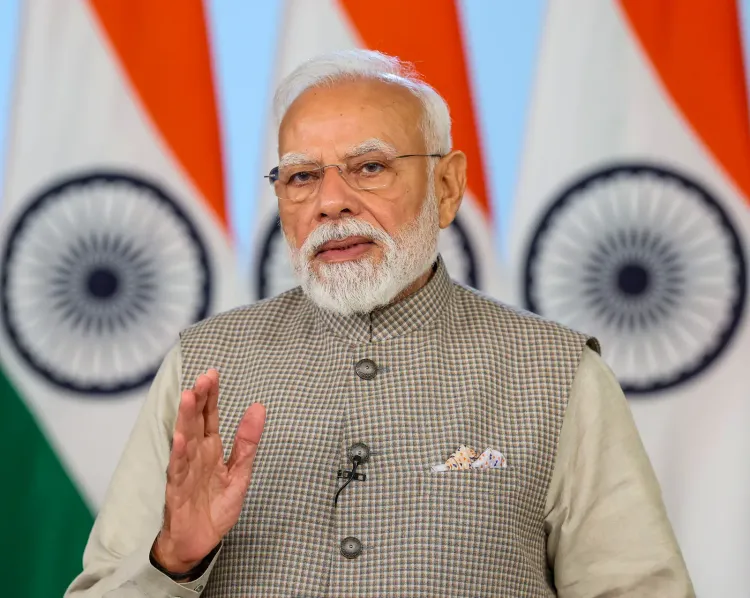
Prime Minister Narendra Modi on Sunday, 30 August called on citizens across India to actively join the 'Nasha Mukt Yuva for Viksit Bharat' campaign, describing it as a collective national resolve to eradicate substance abuse and build a drug-free India by 2047. Modi made the appeal during the 137th episode of his monthly radio programme, 'Mann Ki Baat', urging creative professionals, students, and youth in particular to amplify the message.
What Modi Said
Speaking directly to citizens, Modi said the campaign is already gaining momentum and that its goal is unambiguous. 'The goal is clear — drug-free youth, drug-free India,' he said, acknowledging that a large number of young people have already joined the movement.
He emphasised that addiction is not an individual affliction. 'Addiction does not affect just one person, but the consequences are felt by the entire family and society,' Modi said, praising those who raise awareness and support people struggling with dependency.
The Creative Call to Action
Modi made a pointed appeal to India's content creators, musicians, students, and theatre groups, urging them to produce slogans, songs, and short plays in multiple languages that communicate the dangers of drug use and offer a path to recovery.
'Many times, a creative effort is more effective than a formal campaign,' he said. 'Come, let us play our role in keeping India's youth away from drugs, free from drugs.' He specifically asked young musicians to compose songs carrying the message of a drug-free life and urged theatre groups to write 'heart-touching short plays' that address both the dangers of addiction and routes out of it.
Background and Scale of the Campaign
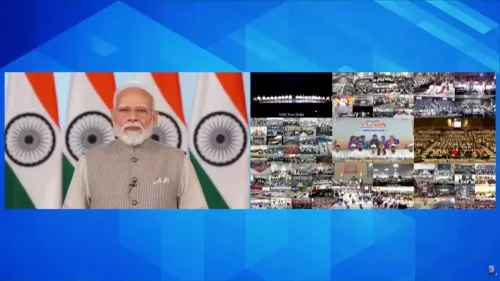
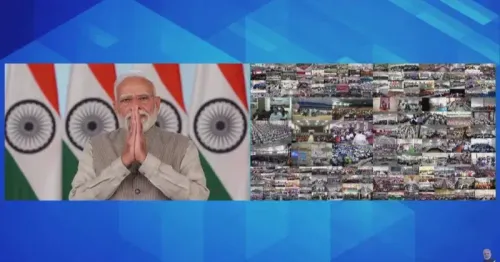
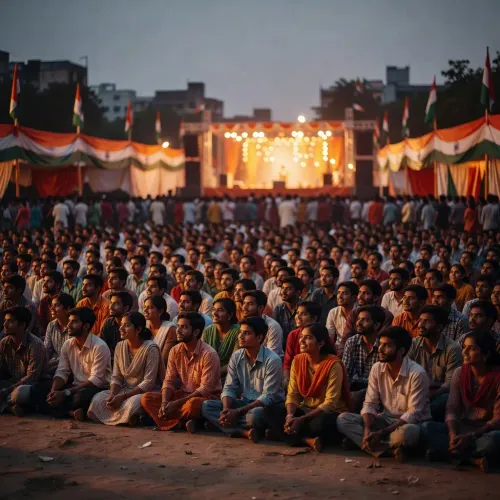
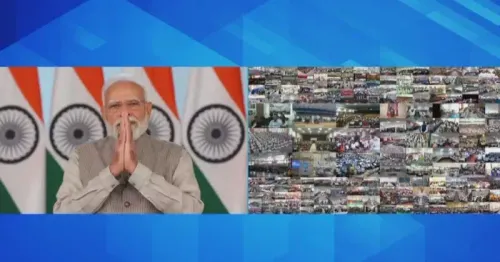
The 'Nasha Mukt Yuva for Viksit Bharat Sankalp Abhiyan' was formally launched by Modi on 2 August, when he virtually inaugurated it as a nationwide movement. The launch connected over 28,000 locations across the country, with the participation of more than 1 crore youth — making it one of the largest single-day mobilisations on the issue of drug awareness in recent memory.
Notably, the campaign is framed within the broader Viksit Bharat vision for 2047, linking the health of India's youth directly to the country's long-term development ambitions. This comes amid growing concern over drug abuse in several states, particularly in Punjab, Manipur, and parts of Rajasthan, where authorities have flagged rising dependency rates among young people.
What Happens Next
With the campaign now in its mobilisation phase, the government appears to be leaning on grassroots and digital participation to sustain momentum beyond the initial launch. Modi's appeal for multilingual content signals an intent to reach beyond urban, Hindi-speaking audiences. Whether the creative outreach translates into measurable reductions in substance abuse will depend on the depth and continuity of follow-through at the state and district level.
Point of View
Making the movement harder to dismiss as top-down messaging. But the campaign's real test lies beyond Mann Ki Baat: India's drug crisis is most acute in states like Punjab and Manipur, where structural factors — unemployment, cross-border supply chains, inadequate rehabilitation infrastructure — have resisted awareness drives before. Mobilising 1 crore youth for a launch event is a headline; sustaining behavioural change without commensurate investment in de-addiction services is the harder ask. The 2047 deadline is aspirational by design, but it also defers accountability in ways that shorter, measurable targets would not.
NationPress
14 Oct 2026
Frequently Asked Questions
What is the 'Nasha Mukt Yuva for Viksit Bharat' campaign?
It is a nationwide movement launched by Prime Minister Narendra Modi on 2 August to eradicate substance abuse among India's youth, with the goal of achieving a drug-free India by 2047. The campaign is framed as part of the broader Viksit Bharat development vision and has so far enrolled over 1 crore youth across 28,000 locations.
What did PM Modi say in Mann Ki Baat about the campaign?
During the 137th episode of Mann Ki Baat on 30 August, Modi urged citizens — especially content creators, musicians, students, and theatre groups — to produce slogans, songs, and short plays in multiple languages to spread awareness about the dangers of drug abuse. He said creative efforts are often more effective than formal campaigns.
When was the Nasha Mukt Yuva campaign officially launched?
The 'Nasha Mukt Yuva for Viksit Bharat Sankalp Abhiyan' was virtually launched by PM Modi on 2 August, connecting over 28,000 locations and drawing participation from more than 1 crore youth on the day of its launch.
Who is the campaign aimed at?
The campaign primarily targets India's youth, who are seen as both the most vulnerable to drug abuse and the most powerful agents of social change. Modi has specifically called on young musicians, students, and theatre groups to become active messengers for the drug-free India goal.
Why does PM Modi link drug-free India to Viksit Bharat 2047?
The Viksit Bharat vision aims to make India a developed nation by 2047, the centenary of independence. Modi has positioned the health and productivity of India's youth as foundational to that goal, arguing that addiction undermines not just individuals and families but the country's broader development potential.