Pralhad Joshi meets CBSE school heads in Dubai, pushes NEP2020 abroad
Synopsis
Union Minister Pralhad Joshi met all CBSE school principals in the UAE at Indian High School Dubai, championing NEP2020, Atal Tinkering Labs and Pariksha Pe Charcha, while pledging an early upgrade to the CBSE Regional Office in Dubai that serves over 2.32 lakh Indian students.
Key Takeaways
106 CBSE-affiliated schools in the UAE serve over 2.32 lakh students , making it one of India's largest overseas school networks.
Union Minister Pralhad Joshi met principals of all UAE CBSE schools at Indian High School, Dubai on 20 November 2026 .
Joshi emphasised NEP2020 's vision of holistic, skill-oriented education rooted in Indian values for overseas schools.
Atal Tinkering Labs , teacher capacity-building and Pariksha Pe Charcha participation were highlighted as key implementation tools.
The minister committed to strengthening the CBSE Regional Office in Dubai 'at the earliest', the administrative hub for Gulf-region schools.
The visit reinforces India's use of CBSE affiliation as an instrument of education diplomacy and diaspora cultural linkage in the Gulf.
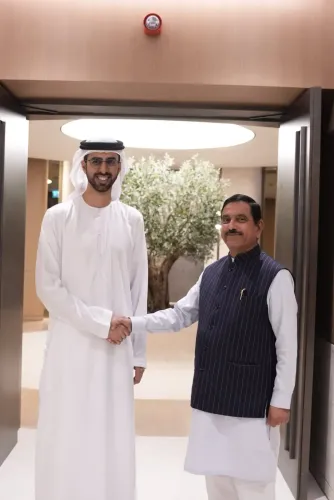
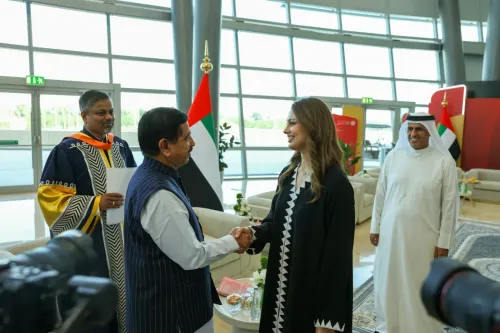
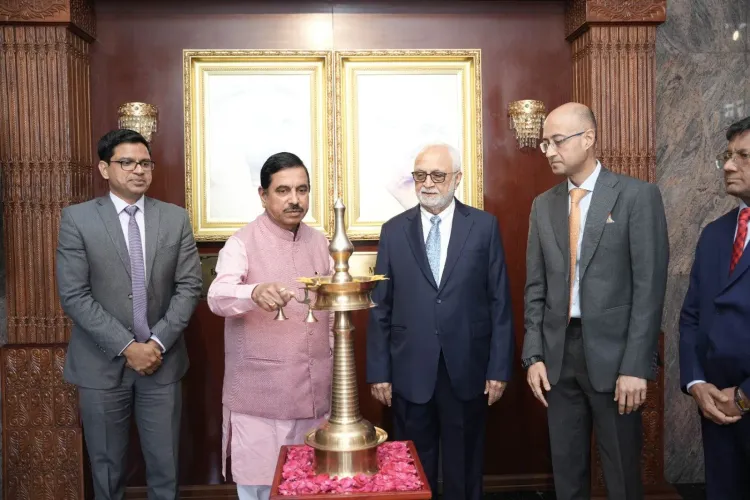
India's educational footprint in the Gulf got a high-level boost on Friday, 20 November 2026, when Union Minister Pralhad Joshi sat down with principals and senior management from every CBSE-affiliated school in the UAE at the iconic Indian High School, Dubai — a rare, consolidated gathering of the educators shaping the academic lives of a large slice of India's diaspora.
The meeting drew together the leadership of 106 CBSE schools that collectively serve over 2.32 lakh students across the UAE — a scale that makes the Emirates one of the most significant nodes in India's overseas school network. Joshi used the platform to underscore their outsized role: not just in delivering academic results, but in projecting India's educational identity well beyond its borders.
NEP2020 and Atal Tinkering Labs take centre stage in Dubai
The minister spotlighted National Education Policy 2020 as the north star for these institutions, emphasising its vision of holistic, skill-oriented learning anchored in Indian values while simultaneously nurturing critical thinking, creativity, and innovation. It was a pointed message to schools operating in a highly competitive, multicultural environment — that the Indian curriculum's future lies not in rote learning but in preparing genuinely versatile, future-ready students.
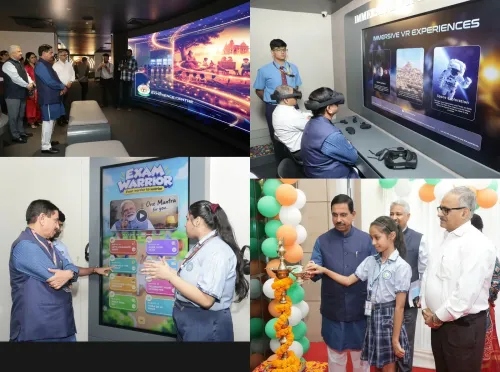
Joshi also highlighted Atal Tinkering Labs — the STEM innovation labs born out of NITI Aayog's Atal Innovation Mission — as a concrete vehicle for embedding that philosophy. Teacher capacity-building programmes and growing participation in Pariksha Pe Charcha, Prime Minister Modi's annual student-engagement initiative, were flagged as further pillars of the effort to keep overseas CBSE schools tightly integrated with India's evolving pedagogical direction.
CBSE's Dubai regional office: a promise to strengthen the bridge
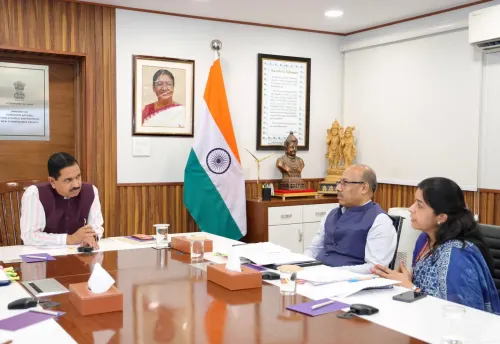
Perhaps the sharpest signal from the meeting was Joshi's specific commitment to the administrative infrastructure that holds this network together. He acknowledged that the CBSE Regional Office in Dubai plays a 'critical role in bridging both the countries' and stated clearly that strengthening the office 'would be done at the earliest.' That is a ministerial pledge with a timeline implied — one that school administrators in the Gulf will now watch closely.
The Dubai regional office has long functioned as the administrative spine for Gulf-region CBSE schools, handling affiliations, examinations, and policy dissemination across a diaspora community that runs into the millions. Any upgrade to its capacity would have direct downstream effects on how efficiently NEP2020 mandates — from curriculum restructuring to assessment reforms — reach classrooms from Dubai to Abu Dhabi.
Education diplomacy as soft power
India's sustained expansion of CBSE affiliation in Gulf nations is not merely a service to its diaspora — it is deliberate cultural and educational diplomacy. Successive governments have leveraged the curriculum, teacher training pipelines, and innovation labs as instruments to maintain a living, evolving academic connection with overseas Indian communities. With the UAE hosting one of the world's largest concentrations of Indian expatriates, the schools there function as cultural anchors as much as academic institutions.
Joshi closed by appreciating the 'dedication of school leaders and educators in shaping confident, skilled and future-ready generations' — a nod to the quiet but consequential work happening in classrooms thousands of kilometres from the policy corridors of New Delhi.
The next measure of intent will be concrete: a notified upgrade to the Dubai regional office, and formal guidelines for NEP2020 rollout in overseas CBSE schools. The minister has set the expectation; the follow-through is what the diaspora will remember.
Point of View
And the visit suggests the Centre is moving to institutionalise that transition rather than leave it to individual schools. The broader pattern — using education, innovation labs, and teacher training as diplomatic instruments — mirrors how India has approached cultural outreach in the UAE as bilateral ties have deepened across trade, remittances, and strategic partnership.
NationPress
20 Nov 2026
Frequently Asked Questions
How many CBSE schools are there in the UAE?
According to Union Minister Pralhad Joshi's statement, there are 106 CBSE-affiliated schools in the UAE, collectively serving over 2.32 lakh students .
What is NEP2020 and how does it apply to Indian schools abroad?
NEP2020 (National Education Policy 2020) replaced India's 1986 education policy and emphasises holistic, multidisciplinary and skill-based learning rooted in Indian ethos. The government is pushing for its implementation in overseas CBSE-affiliated schools to ensure curriculum alignment with India's domestic reforms.
What are Atal Tinkering Labs?
Atal Tinkering Labs are STEM innovation labs established under the Atal Innovation Mission by NITI Aayog to foster creative problem-solving and tinkering among school students; they have been extended to select overseas CBSE institutions as well.
What did Pralhad Joshi announce about the CBSE Regional Office in Dubai?
Minister Pralhad Joshi stated that the CBSE Regional Office in Dubai plays a critical role in bridging India and the UAE, and committed that strengthening this office 'would be done at the earliest.'
What is Pariksha Pe Charcha?
Pariksha Pe Charcha is an annual initiative by Prime Minister Narendra Modi that engages students, parents and teachers in a dialogue about managing examination stress and fostering a healthy approach to learning; overseas CBSE schools are increasingly participating in it.