Trump's Asia Trip Delivers on Energy, Jobs and Nuclear Peace
Synopsis
The White House declared President Trump's Asia trip a historic success, citing gains in American energy exports, domestic job creation, and international nuclear risk reduction. Specific deal details are yet to be itemised publicly.
Key Takeaways
The White House announced that President Trump 's Asia trip produced 'massive results' across energy, jobs and nuclear security.
The administration framed all foreign-policy outcomes in explicitly domestic economic terms — a signature 'America First' communication strategy.
American energy exports, particularly LNG and crude oil, have been a consistent agenda item on Trump-era Asia visits.
The reference to 'preventing nuclear risks' echoes the North Korea denuclearisation diplomacy of 2018–2019 , though no specific counterpart or agreement was named.
Specific deal figures, investment commitments and diplomatic agreements have not yet been publicly itemised by the White House.
A presidential journey across Asia has closed with the White House declaring sweeping wins on three fronts simultaneously: American energy exports, domestic job creation, and nuclear risk reduction — a trifecta the administration is presenting as the direct harvest of President Donald Trump's latest overseas swing.
Three pillars, one trip: what Washington is claiming
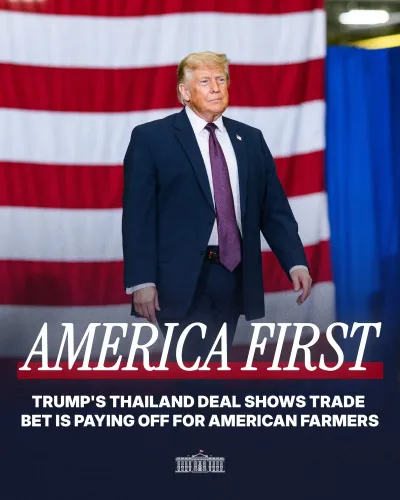
The White House framed the visit in strikingly domestic terms, insisting the gains landed squarely in American living rooms and factory floors. 'Prioritizing American energy. Creating American jobs. Preventing nuclear risks and ensuring peace internationally,' the official post read — a four-line ledger that doubles as a foreign-policy report card. The sequencing is deliberate: energy and jobs lead, security follows, signalling to the administration's core base that diplomacy must pay dividends at home before it earns approval abroad.
Energy exports and the 'America First' deal template
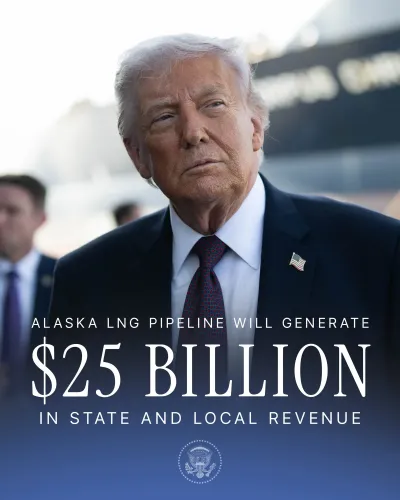
The energy emphasis fits a pattern the Trump administration has pursued consistently across Asia. American liquefied natural gas and crude oil have been recurring items on the bilateral agenda with partners from Japan to Vietnam, with Washington arguing that such deals reduce U.S. trade deficits while creating upstream jobs in American energy states. When a U.S. president lands in Asia and the first headline is energy, the downstream audience is as much Pennsylvania and Texas as it is Tokyo or Seoul.
The nuclear dimension: echoes of the Korean Peninsula
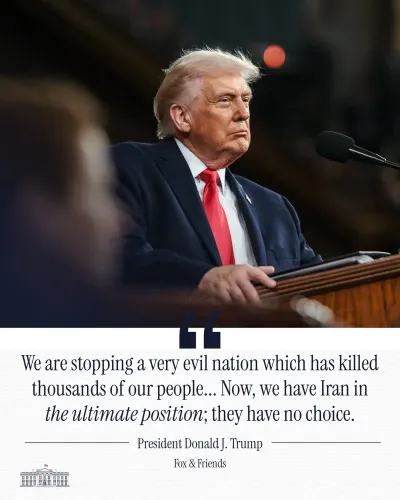
The reference to 'preventing nuclear risks' carries unmistakable weight in an Asian context. North Korea's weapons programme has shadowed every U.S. presidential Asia tour for nearly a decade, most acutely during the 2018 and 2019 summits that produced dramatic scenes of direct diplomacy but no verified denuclearisation. Any fresh engagement — formal or back-channel — on nuclear risk reduction would represent a significant diplomatic development. The White House has not, in this communication, specified which counterpart or mechanism is involved, leaving that thread open for follow-up announcements.
Jobs as foreign-policy currency
Perhaps the sharpest rhetorical move is the jobs claim. Translating a presidential foreign trip into a domestic employment argument requires either concrete manufacturing commitments from Asian partners — factory investments, procurement deals, reshoring pledges — or large energy export contracts that sustain American production workers. The administration has not yet itemised the agreements. Those specifics, when they arrive, will determine whether the 'historic results' framing holds up to scrutiny.
The world now watches for the follow-through: signed energy agreements, investment figures, and any formal statement on nuclear diplomacy. That paperwork will be the real verdict on the trip.
Point of View
Security follows. This sequencing reflects an administration that views foreign engagement as politically viable only when it produces visible home-front returns. The nuclear risk framing, unaccompanied by specifics, keeps the door open for a larger announcement while preventing premature scrutiny. For Asian partners, the pressure to demonstrate concrete deliverables — energy contracts, investment pledges — in exchange for diplomatic goodwill remains the defining feature of this bilateral architecture.
NationPress
20 Nov 2026
Frequently Asked Questions
What did Trump's Asia trip achieve in 2026?
The White House said the trip delivered results on American energy prioritisation, job creation and preventing nuclear risks, though specific deal details have not yet been publicly itemised.
Which countries did Trump visit on his Asia trip?
The White House post did not specify which Asian countries were visited on this trip. Past Trump Asia tours have included Japan, South Korea, China, Vietnam and the Philippines.
How does Trump's Asia trip relate to North Korea's nuclear programme?
The White House's mention of 'preventing nuclear risks' in an Asian context is widely read as a reference to North Korea's weapons programme, which has been a central concern on every U.S. presidential Asia visit for nearly a decade.
What are American energy exports to Asia?
The United States exports liquefied natural gas and crude oil to Asian partners including Japan, South Korea and Vietnam, reducing trade deficits and sustaining jobs in American energy-producing states.
What is the America First foreign policy approach?
America First is the guiding framework of Trump-era foreign policy, which measures diplomatic engagement primarily by its direct economic returns to American workers, businesses and energy producers.