White House Claims U.S. Poverty Rate Hits All-Time Low
Synopsis
The White House announced on 20 November 2026 that the U.S. poverty rate has dropped to an all-time record low, a claim rooted in the Census Bureau's annual poverty measure that dates to the Johnson-era War on Poverty. Independent verification from the next scheduled Census report will confirm or test the figure.
Key Takeaways
The White House posted on 20 November 2026 that the U.S. poverty rate has hit its lowest level ever recorded.
The official U.S. poverty measure is published annually by the U.S.
Census Bureau , established in the mid-1960s under the Johnson administration's War on Poverty.
No specific percentage figure was included in the White House post; the claim awaits confirmation in the next Census Bureau annual report.
U.S. poverty rates have historically fluctuated with economic cycles, recessions, and the reach of federal safety-net programmes.
Low-income households are the primary stakeholders; the figure also carries indirect significance for global economies, including India.
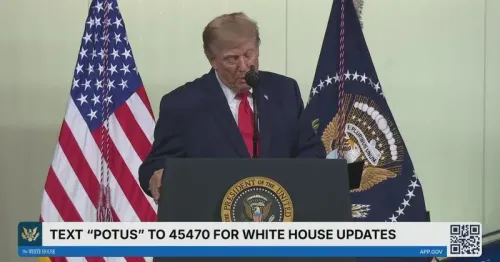
A milestone in American economic history — or at least that is the claim coming out of Washington D.C. on Friday, 20 November 2026. The White House declared on X that the U.S. poverty rate has fallen to its lowest level ever recorded, a sweeping assertion that lands at the intersection of economic data and political messaging.
What the White House is saying — and what it means
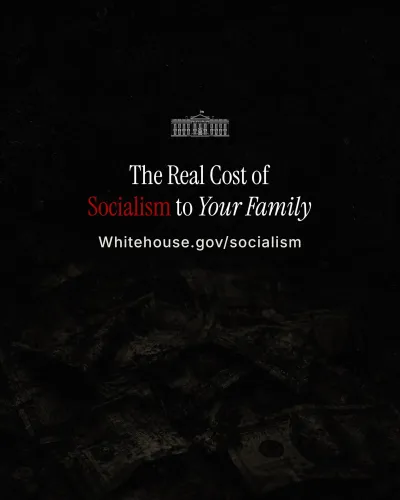
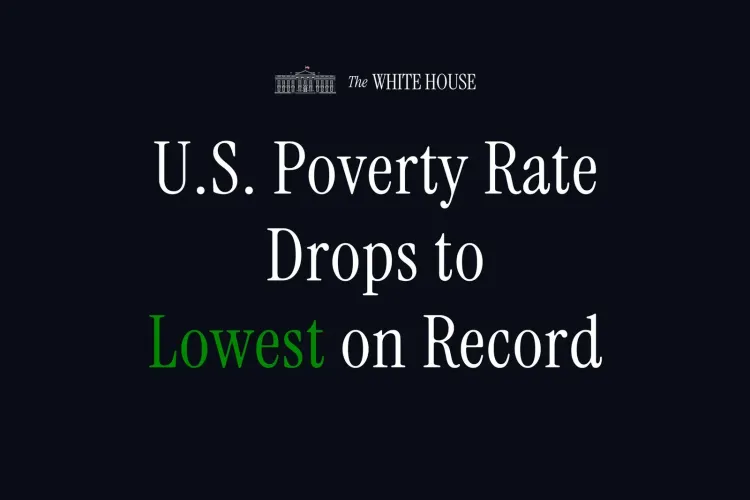
The post, shared from the official White House account, reads simply: 'The U.S. poverty rate has dropped to LOWEST on record.' No specific figure was attached, but the capitalised emphasis signals the administration is treating this as a landmark achievement. The official U.S. poverty rate is calculated and published annually by the U.S. Census Bureau, the federal agency that has tracked this measure since its establishment in the mid-1960s under President Lyndon B. Johnson's 'War on Poverty.'
That lineage matters. When Johnson launched the War on Poverty, the official poverty rate stood at roughly one in five Americans. Decades of economic cycles, recessions, expansions, and shifting safety-net policies have moved that number up and down — but the long arc has bent downward. A record low, if confirmed by Census Bureau data, would represent the culmination of more than sixty years of that effort.
Who stands to gain — and who watches closely
Low-income households across the United States are the most direct stakeholders in any poverty-rate movement. A genuine decline in the rate means fewer families living below the threshold set by federal guidelines — a number that accounts for food, shelter, and basic necessities relative to household size.
The claim, however, carries political weight far beyond the statistic itself. White House announcements of economic records are standard tools of executive communication, and independent verification from the U.S. Census Bureau's next scheduled annual poverty report will be the definitive test of the figure's accuracy. Until that data is formally published, the 'record low' remains the administration's characterisation rather than a confirmed data point.
For India-watchers, the number carries a secondary resonance: U.S. economic health shapes global capital flows, remittances from the Indian-American diaspora, and the broader mood in emerging-market economies. A stronger American middle class tends to ripple outward.
The next Census Bureau poverty report will tell the full story — and that document, not a single post, is where the record either stands or falls.
Point of View
Vulnerable if independent verification lags or qualifies the claim. Administrations have long tied headline poverty numbers to their policy legacy, and this post follows that tradition. For global observers, including India, the significance lies not just in the statistic but in what a structurally healthier American economy signals for trade, investment, and diaspora flows in the years ahead.
NationPress
20 Nov 2026
Frequently Asked Questions
What is the current U.S. poverty rate in 2026?
The White House stated on 20 November 2026 that the U.S. poverty rate has reached its lowest level on record, but a specific percentage figure was not included in the announcement. The confirmed number will come from the next U.S. Census Bureau annual poverty report.
Who calculates the official U.S. poverty rate?
The U.S. Census Bureau is the federal agency responsible for calculating and publishing the official U.S. poverty rate each year using the official poverty measure established in the 1960s.
When did the U.S. start measuring the official poverty rate?
The official U.S. poverty measure was established in the mid-1960s as part of President Lyndon B. Johnson's War on Poverty initiative, making it a benchmark tracked for over six decades.
Why does the U.S. poverty rate matter for India?
A declining U.S. poverty rate signals a stronger American economy, which can influence global capital flows, increase remittances from the Indian-American diaspora, and boost sentiment in emerging markets like India.
Is the White House claim of a record-low poverty rate verified?
As of 20 November 2026, the claim is based on the White House's official communication. Independent confirmation will come from the U.S. Census Bureau's next scheduled annual poverty report.