CM Sai Plugs Tourism Into Chhattisgarh's New Industry Policy
Synopsis
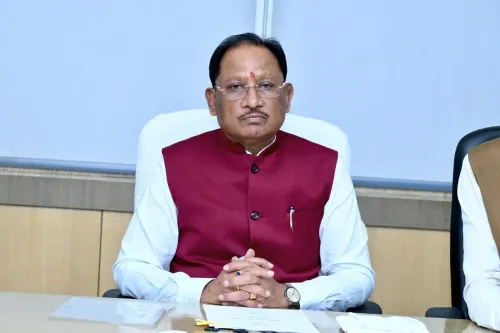
Chhattisgarh CM Vishnu Deo Sai announced that tourism has been included in the state's new industrial policy and that home-stay operators will receive government subsidies, aiming to accelerate community-based tourism across the state's forests and tribal heritage corridors.
Key Takeaways
CM Vishnu Deo Sai announced on 20 November 2026 that tourism is now part of Chhattisgarh's new industrial policy .
The government will offer subsidies on home-stay services to encourage community-based tourism operators.
Folding tourism into an industrial policy framework unlocks incentives such as capital subsidies and single-window clearances for tourism businesses.
The home-stay model is specifically designed to route tourism revenue directly into rural and tribal communities .
Exact subsidy amounts, eligibility criteria, and rollout timelines have not yet been publicly notified.
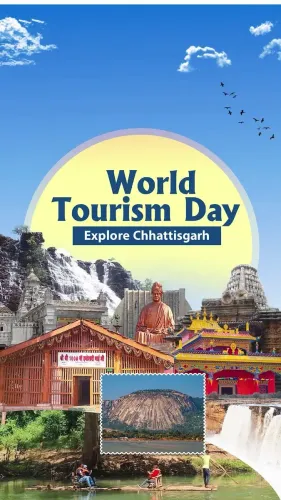
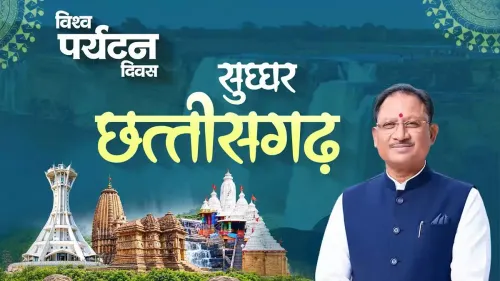
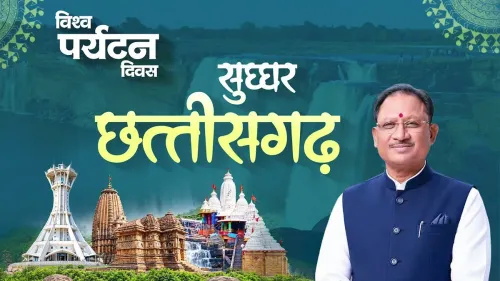
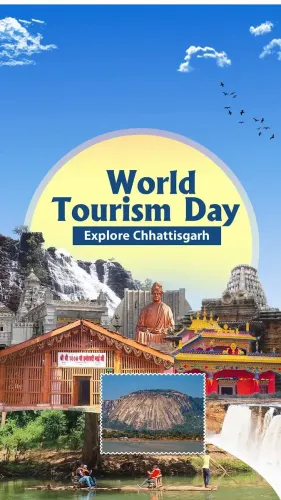
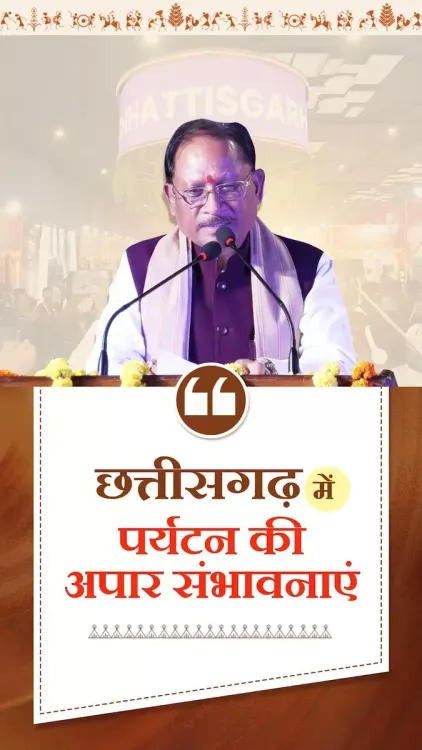
Chhattisgarh sits atop forests, waterfalls, and living tribal heritage — and now its government wants the world to know it. Chief Minister Vishnu Deo Sai declared on Friday, 20 November 2026 that tourism has been formally folded into the state's new industrial policy, with home-stay operators set to receive direct subsidies as the government looks to convert natural abundance into economic momentum.
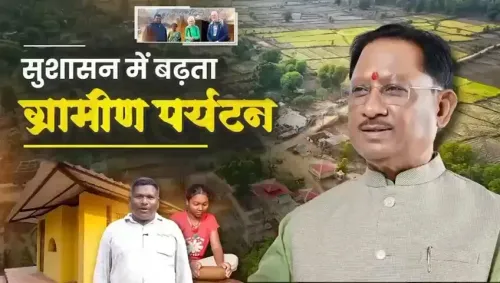
Posting on X in Hindi, CM Sai said: 'हमारा छत्तीसगढ़ पर्यटन की अपार संभावनाओं से समृद्ध प्रदेश है' ('Our Chhattisgarh is a state richly endowed with immense tourism potential'). He added that by including tourism in the new industrial policy and offering subsidies on home-stay services, the government is giving the tourism industry fresh momentum.
Tourism Meets Industrial Policy — Why That Pairing Matters
Classifying tourism as an industry is not just semantic. When a sector sits inside an industrial policy framework, it unlocks benefits that hospitality alone rarely attracts — single-window clearances, capital subsidies, land acquisition support, and priority access to state credit schemes. For Chhattisgarh, a state whose economy leans heavily on minerals and agriculture, this repositioning signals a deliberate push to diversify.
Indian states have periodically used this route — embedding tourism within broader industrial incentive structures — to draw private investment into regions that market forces might otherwise overlook. The specific provisions, subsidy quantum, and eligibility criteria for Chhattisgarh's current policy have not yet been notified publicly, but the direction is clear: the government wants both large tourism enterprises and small community operators pulling in the same direction.
Home-Stays at the Centre of a Community Tourism Push
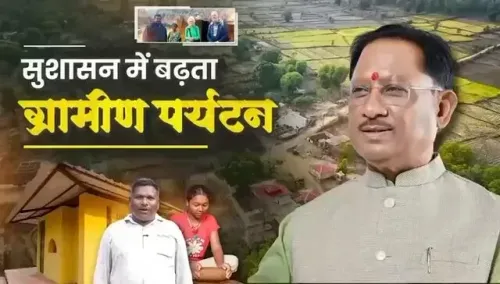
The home-stay subsidy is the sharper edge of this announcement. Home-stays sit at the intersection of rural employment and experiential tourism — a traveller pays to sleep in a village household, eat local food, and experience tribal or forest culture firsthand. The revenue stays in the community rather than flowing to a distant hotel chain.
Chhattisgarh governments across administrations have repeatedly flagged this model as a vehicle for jobs in rural and tribal belts — areas where conventional industrial investment rarely reaches. By attaching a subsidy, the Sai government is trying to lower the entry barrier for ordinary families who want to register and formalise their home-stay operations. The policy, if well-implemented, could turn the state's dense forest corridors — from Bastar's ancient temples to Barnawapara's wildlife reserve — into a network of community-run hospitality nodes.
What Needs to Follow
Declarations of intent are only as good as the rollout. The numbers that matter — how large the subsidy, which categories of home-stay qualify, how the tourism component integrates with existing land-use regulations in forest areas — are still to emerge from official notifications. Entrepreneurs and home-stay operators will be watching closely for the eligibility criteria and budget allocations that give the policy real teeth.
Chhattisgarh has the raw material. The question is whether the administrative architecture catches up fast enough to turn CM Sai's announcement into bookings on the ground.
Point of View
The Sai government is making a structural bet rather than a promotional one — the difference between a press campaign and a capital subsidy. This fits a broader BJP state-government pattern of using industrial classification to channel incentives into sectors, like rural hospitality, that conventional investment pipelines bypass. The home-stay subsidy is politically smart too: it creates a visible, distributed set of beneficiaries in tribal and forest constituencies where the party is building its base. The real test arrives when the notification gazette drops — the gap between announcement and operative rules has historically been where such ambitions either gain traction or quietly stall.
NationPress
20 Nov 2026
Frequently Asked Questions
What has CM Vishnu Deo Sai announced for Chhattisgarh tourism?
CM Vishnu Deo Sai announced that tourism has been included in Chhattisgarh's new industrial policy, and that the government will provide subsidies for home-stay services to give the tourism sector fresh momentum.
What is a home-stay subsidy and who benefits from it?
A home-stay subsidy is a government financial incentive for families who host paying guests in their homes. In Chhattisgarh's case, it is aimed at rural and tribal households who want to formalise and register their home-stay operations as part of a community tourism model.
Why is including tourism in an industrial policy significant?
When tourism is classified under an industrial policy, tourism businesses become eligible for benefits such as capital subsidies, single-window clearances, and state credit schemes — incentives that are typically not available to the hospitality sector alone.
What tourism attractions does Chhattisgarh have?
Chhattisgarh is home to dense forests, waterfalls, wildlife reserves such as Barnawapara, ancient temples in Bastar, and living tribal heritage, all of which form the foundation of the state's tourism potential.
When will the details of Chhattisgarh's new tourism-industrial policy be released?
The exact provisions, subsidy amounts, and eligibility criteria have not yet been publicly notified. Entrepreneurs and home-stay operators will need to watch for official rollout notifications from the Chhattisgarh government.