CM Rekha Gupta at SCO Civilisational Dialogue Forum Inauguration
Synopsis
Delhi Chief Minister Rekha Gupta joined PM Modi and Union Minister Gajendra Singh Shekhawat for the inaugural SCO Civilisational Dialogue Forum at Purana Qila on 20 November 2026, bringing together representatives of 10 SCO member states to celebrate shared heritage, epics, and rare manuscripts under India's 'Vasudhaiva Kutumbakam' vision.
Key Takeaways
Prime Minister Narendra Modi inaugurated the first-ever SCO Civilisational Dialogue Forum at Purana Qila, Delhi on 20 November 2026 .
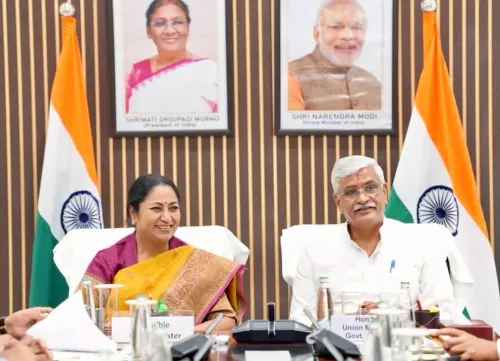
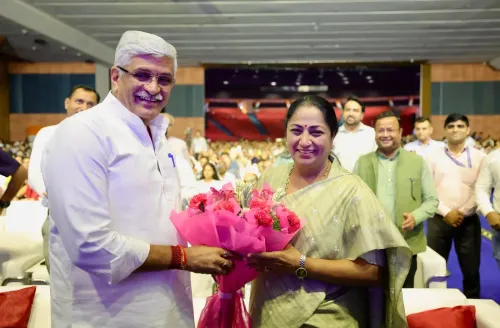
Delhi CM Rekha Gupta and Union Minister of Culture and Tourism Gajendra Singh Shekhawat were present at the inauguration.
Representatives from SCO's 10 member states , Observer Countries, and Dialogue Partners attended the forum.
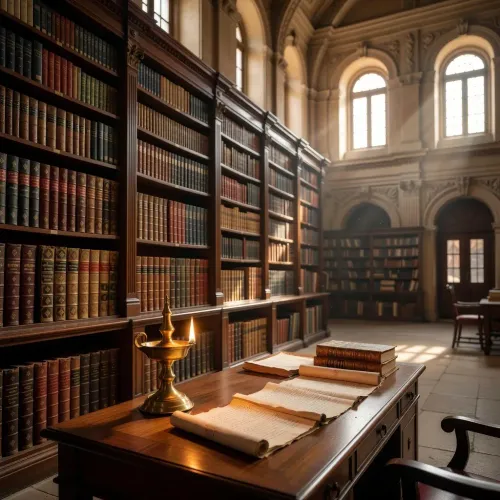
Displays of Ramayana-Mahabharata traditions and rare historical manuscripts were highlighted as central elements of the event.
The forum originates from a proposal PM Modi made in 2025 to create a dedicated civilisational exchange platform within the SCO framework.
India positioned the event as an expression of Vasudhaiva Kuṭumbakam — using cultural diplomacy to expand its soft power across the Eurasian bloc.
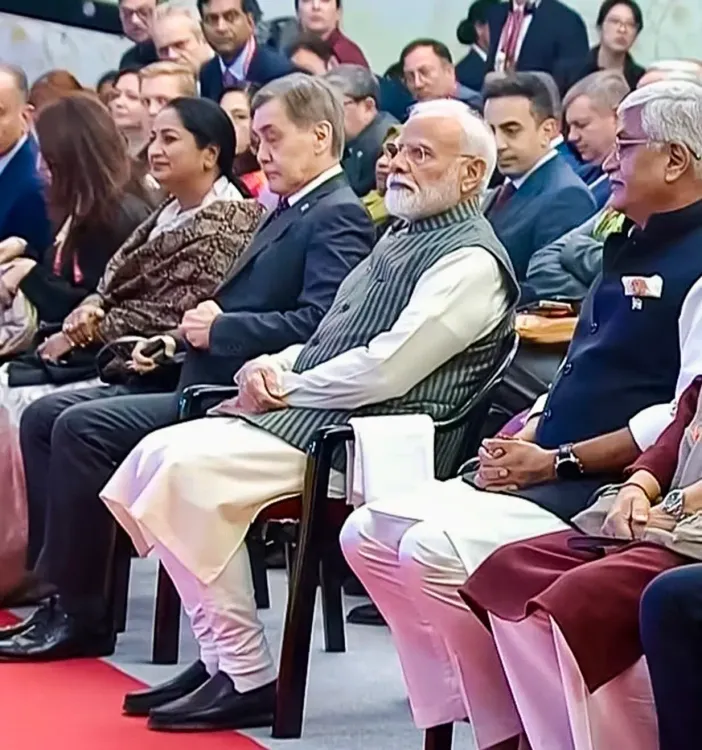
Ancient manuscripts, Ramayana-Mahabharata traditions, and delegates from across Eurasia — the first-ever SCO Civilisational Dialogue Forum opened at Purana Qila, Delhi on Friday, 20 November 2026, with Delhi Chief Minister Rekha Gupta present at the inauguration led by Prime Minister Narendra Modi.
CM Gupta, writing on X, described the occasion as 'gaurav ka kshaṇ' — a moment of pride — for Delhi, as representatives from SCO's 10 member states along with Observer Countries and Dialogue Partners converged on the capital's sixteenth-century fort to showcase their shared civilisational heritage, art, and culture. She was joined at the event by Union Minister of Culture and Tourism Gajendra Singh Shekhawat.
A 2025 Proposal Made Real at Purana Qila
The forum's origin traces directly to a proposal Prime Minister Modi placed before SCO partners in 2025, envisioning a dedicated platform for civilisational exchange within the bloc — which has historically centred on security cooperation and trade. That idea lands today on the historic soil of a fort that has watched empires rise and fall for five centuries.
The choice of Purana Qila — built in the sixteenth century and among Delhi's most recognisable heritage landmarks — is itself a statement. India is not hosting this dialogue in a convention centre; it is hosting it inside living history. The backdrop reinforces the event's core argument: that civilisational continuity is not an abstraction but a physical, tangible inheritance.
Ramayana, Mahabharata, and Rare Manuscripts on the World Stage
CM Gupta specifically called out the display of Ramayana-Mahabharata traditions and rare historical manuscripts as elements that make this gathering exceptional. India has long used its epic literary heritage as a bridge with Southeast and Central Asian nations — several SCO members share cultural imprints of these epics through centuries of exchange along ancient trade and pilgrimage routes.
Placing those manuscripts before Eurasian delegates is a pointed act of soft power. It signals that India's engagement with the SCO is not purely transactional — it is rooted in a civilisational claim to regional centrality.
India's SCO Strategy Widens Beyond Security
The Shanghai Cooperation Organisation was founded as a security and economic bloc, but India has progressively worked to expand its cultural dimension. The SCO Civilisational Dialogue Forum is the clearest institutional expression of that effort yet — a named, recurring platform dedicated entirely to heritage and culture.
CM Gupta framed the initiative in terms of India's ancient philosophical principle: Vasudhaiva Kuṭumbakam — 'the world is one family' — describing the forum as a vehicle for carrying India's cultural strength and that spirit to a global audience. With SCO's combined membership spanning a significant share of the world's population and landmass, the platform offers India unusually wide cultural reach.
What follows next — whether working groups, bilateral cultural exchange agreements, or formal follow-up summits — will determine whether this inaugural gathering becomes a durable diplomatic instrument or remains a singular ceremonial moment. The opening act, at least, was written in stone — literally.
Point of View
One that suits Delhi's interest in deepening influence across Central and West Asia without the friction of security debates. Hosting the inaugural edition at Purana Qila, with ancient manuscripts and epic traditions on display, amplifies India's claim to be a civilisational anchor for the wider region. For the BJP government, the forum also carries a domestic resonance: it validates the 'cultural nationalism' frame by giving it a credible multilateral stage. The real test will come in whether the platform generates substantive exchange agreements or remains symbolic — but the institutional footprint is now set.
NationPress
20 Nov 2026
Frequently Asked Questions
What is the SCO Civilisational Dialogue Forum?
The SCO Civilisational Dialogue Forum is a newly launched platform within the Shanghai Cooperation Organisation dedicated to showcasing the shared cultural heritage, art, and civilisational traditions of SCO member states. Its first edition was inaugurated by Prime Minister Narendra Modi at Purana Qila, Delhi, on 20 November 2026.
Where was the first SCO Civilisational Dialogue Forum held?
The first SCO Civilisational Dialogue Forum was held at Purana Qila, the sixteenth-century historic fort in New Delhi, chosen for its heritage significance as a backdrop for a civilisational exchange event.
Who proposed the SCO Civilisational Dialogue Forum?
Prime Minister Narendra Modi proposed the creation of the SCO Civilisational Dialogue Forum in 2025, envisioning it as a dedicated cultural and heritage dialogue platform within the SCO framework.
Why was Delhi CM Rekha Gupta at the SCO forum?
Delhi Chief Minister Rekha Gupta attended the inauguration as the head of government of the host city, joining PM Modi and Union Minister Gajendra Singh Shekhawat at Purana Qila for the opening of the forum.
How many countries participated in the SCO Civilisational Dialogue Forum 2026?
The event brought together representatives from SCO's 10 member states along with Observer Countries and Dialogue Partners, making it a broad multilateral gathering in Delhi.