CM Sai Pitches Chitrakote as CG's World-Class Tourism Hub
Synopsis
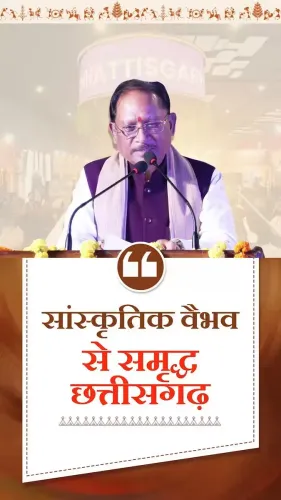
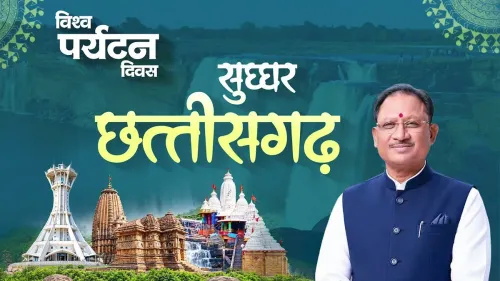
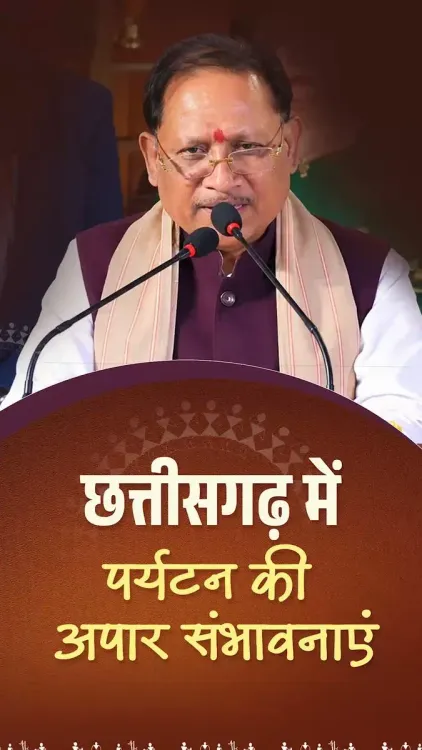
Chief Minister Vishnu Deo Sai, speaking at the Chhattisgarh Rajya Divas Cultural Evening at Bharat Mandapam, announced plans to develop Chitrakote Falls in Bastar as a world-class destination, citing PM Modi's directive and a new state industrial policy that includes tourism.
Key Takeaways
Chitrakote Falls in Bastar district has been identified as Chhattisgarh's flagship world-class tourism destination.
CM Vishnu Deo Sai made the announcement at the Chhattisgarh Rajya Divas Cultural Evening at Bharat Mandapam, New Delhi on 20 November 2026 .
The state has launched a new industrial policy that formally includes tourism as a development sector.
The initiative directly responds to PM Narendra Modi 's standing directive for every state to develop at least one world-class tourism site.
The government is targeting multiple tourism micro-segments: eco-tourism, rural tourism, homestay tourism, and cultural tourism across the Bastar belt.
Infrastructure tenders and detailed project reports for Chitrakote will be the next key milestones to watch.
India's so-called 'Niagara of India' may be on the verge of a transformation. Speaking at the Chhattisgarh Rajya Divas Cultural Evening at Bharat Mandapam, New Delhi, on 20 November 2026, Chief Minister Vishnu Deo Sai declared that the state is actively developing Chitrakote Falls in Bastar into a world-class tourism destination — directly in response to Prime Minister Narendra Modi's standing call for every Indian state to build at least one globally competitive tourism site.
Modi's directive, Sai's answer
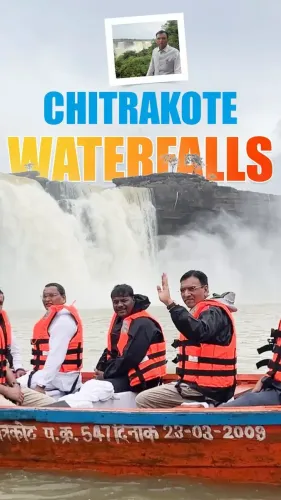
CM Sai framed the initiative in unambiguous terms: 'Pradhan Mantri Shri Narendra Modi ji ka aahwaan hai ki har pradesh mein ek aisa paryatan sthal vikasit ho, jo vishwastareey ho' — 'Prime Minister Narendra Modi's call is that every state must develop a tourism destination that is world-class.' Chitrakote, the horseshoe-shaped waterfall on the Indravati River in Bastar district, is Chhattisgarh's answer to that challenge.
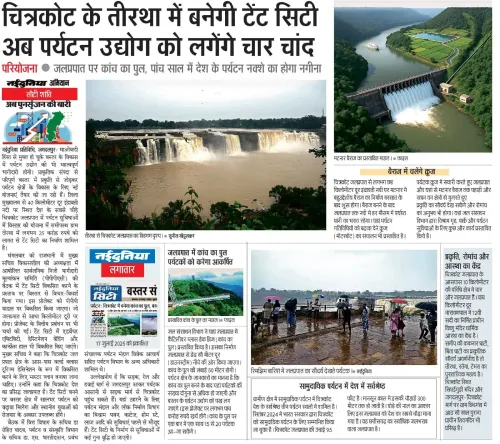
The falls — sometimes called the 'Niagara of India' for their dramatic breadth — have long drawn visitors but have lacked the infrastructure to convert footfall into sustained tourism revenue. That is now squarely in the state's crosshairs.
Tourism folded into the new industrial policy
Sai revealed a structural shift in how Chhattisgarh is approaching the sector: the state has rolled out a new industrial policy that explicitly includes tourism as a development pillar — moving it from a cultural afterthought to an investable economic category. The move mirrors a broader national trend, with mineral-rich states seeking to diversify income by monetising their natural and cultural assets alongside conventional industry.
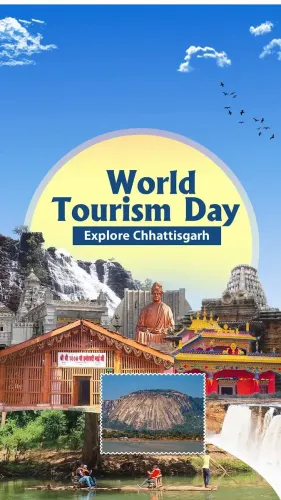
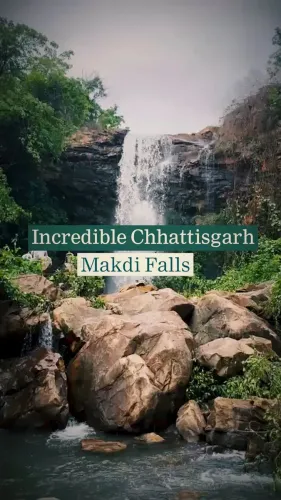
Chhattisgarh's forests, waterfalls, and tribal heritage — especially across the Bastar belt — make it a rare candidate for eco-tourism, rural homestay circuits, and cultural immersion experiences. The hashtags attached to the CM's post signal the state's intent to market multiple micro-segments: #EcoTourism, #RuralTourism, #HomestayTourism, and #BastarTourism alongside the flagship #ChitrakoteFalls.
Bastar's untapped potential and what comes next
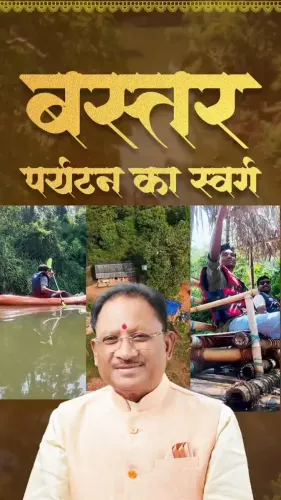
Bastar has historically been associated with conflict and industrial mining — not leisure travel. Folding the region's extraordinary natural canvas into a coherent tourism pitch represents both an economic and a reputational bet by the Sai government. Central schemes such as the Swadesh Darshan programme have previously touched Chhattisgarh's tourism circuits, and the state's older tourism policy from 2016-17 had identified public-private partnerships for waterfall and forest destinations. The new industrial policy, Sai indicated, takes that framework further.
Detailed project reports and infrastructure tenders for Chitrakote will be the first real test of whether the vision translates into concrete upgrades — access roads, visitor facilities, lighting, and connectivity that can compete with India's established pilgrimage and heritage corridors.
Bastar's forests and falls have waited a long time for the spotlight. The question is no longer whether Chhattisgarh wants world-class tourism — it is how fast the ground can catch up with the ambition on stage at Bharat Mandapam.
Point of View
The Sai government is making a calculated political and economic argument: that Chhattisgarh's identity need not be defined solely by its mineral wealth or its security challenges in Bastar. Anchoring the pitch to PM Modi's own stated vision is a smart piece of political alignment, ensuring central support and visibility while the state builds its own investment case. The real test will come when tenders hit the ground — Bastar's complex socio-political terrain has historically complicated infrastructure rollouts, and the gap between a stage announcement and a world-class visitor experience can be wide. If the new industrial policy delivers meaningful private investment into Chitrakote's hospitality and access infrastructure, it could mark a genuine pivot for one of India's most under-visited natural wonders.
NationPress
20 Nov 2026
Frequently Asked Questions
What is Chitrakote Falls and why is it famous?
Chitrakote Falls is a horseshoe-shaped waterfall on the Indravati River in Bastar district, Chhattisgarh. It is often called the 'Niagara of India' because of its broad, dramatic cascade — one of the widest waterfalls in the country.
What did CM Vishnu Deo Sai announce about Chhattisgarh tourism?
CM Sai announced at Bharat Mandapam on 20 November 2026 that Chhattisgarh is developing Chitrakote Falls as a world-class tourism destination and has included tourism in the state's new industrial policy.
What is Chhattisgarh's new industrial policy and how does it relate to tourism?
The state government has introduced a new industrial policy that formally incorporates tourism as a development sector, treating it on par with manufacturing and mining for investment incentives. The exact provisions have not yet been fully notified publicly.
Which region of Chhattisgarh has the most tourism potential?
Bastar, in southern Chhattisgarh, is highlighted as the state's core tourism zone, offering eco-tourism, rural homestay experiences, tribal cultural circuits, and natural attractions like Chitrakote Falls and Dhurmaras.
What is PM Modi's directive on state tourism development?
PM Modi has consistently called on every Indian state to develop at least one world-class tourism destination to boost local economies and put India's natural and cultural heritage on the global tourism map.