White House Touts Trump's America First Foreign Policy
Synopsis
The White House on 9 July 2026 posted on X crediting President Donald J. Trump's America First foreign policy for restoring US global standing. The statement signals the administration's continued departure from post-war multilateralism in favour of bilateral, transactional diplomacy.
Key Takeaways
The White House posted on 9 July 2026 asserting that the United States is 'back and more respected than ever before' under President Trump .
The post explicitly frames America First as the administration's guiding foreign policy priority.
The America First doctrine was formally codified in the 2017 National Security Strategy during Trump's first term.
Early America First actions included withdrawal from the Trans-Pacific Partnership and renegotiation of NAFTA into the USMCA .
The statement has direct implications for US allies and strategic partners, including India , watching for signals on trade and defence commitments.
Future NATO summits and bilateral trade negotiations will serve as key tests of the policy's real-world impact.
The White House, the official communications account of the Executive Office of the President of the United States, on Thursday, 9 July 2026, posted on X to assert that President Donald J. Trump's foreign policy approach has restored America's global standing, declaring the country 'back and more respected than ever before.'
Context
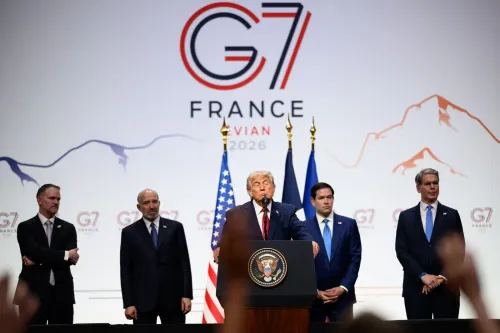
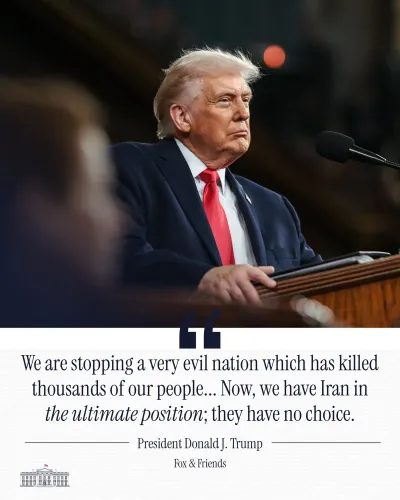
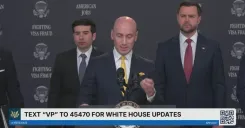
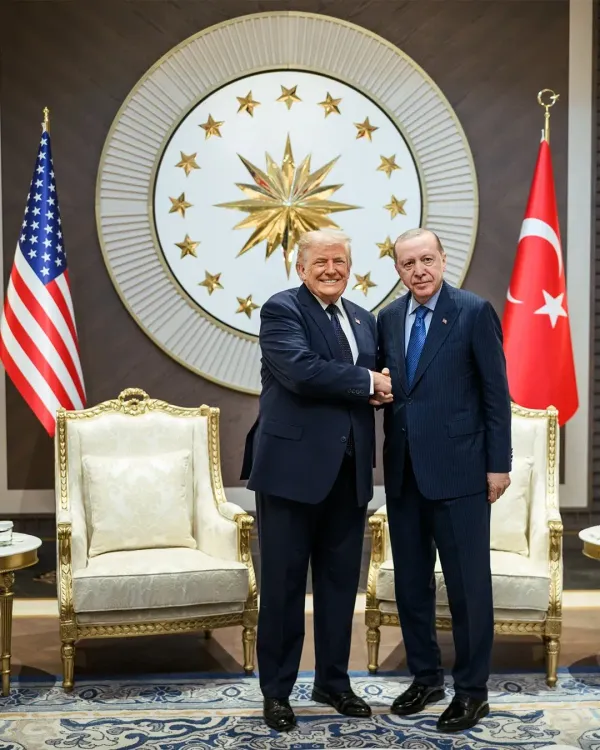
The post states that the administration is 'Prioritizing America First foreign policy' and credits President Trump's 'bold leadership on the world stage' for what it describes as a renewed international standing for the United States. The message was accompanied by an image and posted from the official @WhiteHouse account, signalling a deliberate effort to frame the administration's diplomatic posture ahead of likely upcoming multilateral engagements.
The America First doctrine, as articulated by the Trump administration, places sovereign decision-making and bilateral transactional arrangements at the centre of US diplomacy, departing from the post-1945 internationalist consensus that shaped decades of US foreign policy.
Policy Backdrop
The ideological roots of the America First framework were formally codified in the 2017 National Security Strategy, which the first Trump administration issued to reorient US diplomacy, defence, and trade around national interest rather than multilateral obligation. Early implementation included withdrawal from the Trans-Pacific Partnership, the renegotiation of NAFTA into the United States-Mexico-Canada Agreement, and sustained pressure on NATO member states to raise their defence spending to agreed targets.
The approach represented a structural break from the liberal internationalist order that successive US administrations — Republican and Democrat alike — had championed since the end of World War II. Critics argued it weakened multilateral institutions; supporters contended it delivered more equitable burden-sharing and protected American economic interests.
Stakeholders and Impact
The immediate audience for the White House's messaging is the American public, for whom domestic resonance of the America First brand has been a consistent electoral asset for Trump. US allies — particularly in Europe and the Indo-Pacific — watch such statements closely for signals on treaty commitments, trade terms, and defence cooperation.
For countries like India, which maintains a strategic partnership with Washington and is deeply integrated into US-led technology and defence supply chains, the posture of the current administration carries direct implications for bilateral trade negotiations, technology transfer agreements, and joint security frameworks.
What's Next
The administration's continued emphasis on America First sets the tone for upcoming engagements at multilateral forums, including potential NATO summits and bilateral trade talks with major partners. How the stated doctrine translates into concrete diplomatic outcomes — on issues ranging from tariff structures to alliance burden-sharing — will be the real test of the policy's durability and global reception.
Observers will watch whether the rhetoric of renewed American respect is matched by measurable shifts in alliance cohesion, trade balances, and geopolitical influence in contested regions.
Point of View
A framing that resonates with a significant segment of the American electorate. For US allies and strategic partners, including India, such statements function as signals about the administration's negotiating posture rather than settled policy outcomes. The real question is whether the assertion of renewed global respect will be substantiated by measurable gains in alliance cohesion and trade terms in the months ahead.
NationPress
8 Oct 2026
Frequently Asked Questions
What is the White House's America First foreign policy?
America First is the governing foreign policy doctrine of the Trump administration, prioritising US national interest, bilateral trade deals, and reduced multilateral commitments over post-war internationalist frameworks. It was formally codified in the 2017 National Security Strategy.
What did the White House post on 9 July 2026?
The White House posted on X on 9 July 2026 stating that President Trump's 'bold leadership on the world stage' has made America 'back and more respected than ever before,' highlighting the administration's America First foreign policy priority.
How does Trump's America First policy affect India?
India, as a key US strategic partner, is directly affected by America First through bilateral trade negotiations, technology transfer agreements, and joint defence frameworks. Shifts in US diplomatic posture influence the terms of India-US cooperation across these areas.
What is the history of the America First doctrine?
The America First doctrine was central to Trump's first term from 2017 to 2021. Key early actions included withdrawing from the Trans-Pacific Partnership, renegotiating NAFTA into the USMCA, and pressuring NATO allies to increase defence spending.
What comes next for US foreign policy under Trump?
Upcoming NATO summits and bilateral trade negotiations will be the primary tests of how the America First doctrine translates into concrete outcomes. Observers are watching for shifts in alliance burden-sharing, tariff structures, and US engagement in contested geopolitical regions.