Kishan Reddy Hails Vikram-1 Launch as Historic Space Milestone
Synopsis
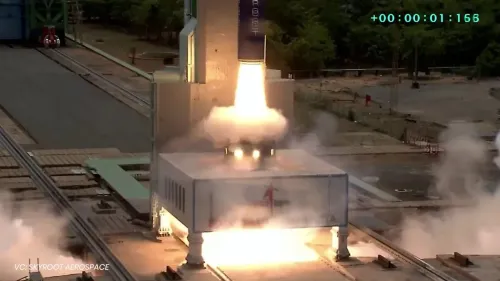
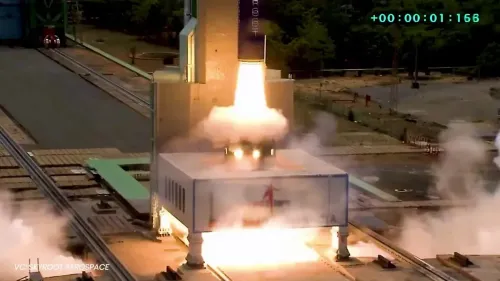
Union Minister G. Kishan Reddy hailed the successful launch of Vikram-1 by Hyderabad-based Skyroot Aerospace on 18 July 2026, calling it a historic milestone for India's private space sector and a validation of PM Modi's post-2020 space reforms under the Viksit Bharat vision.
Key Takeaways
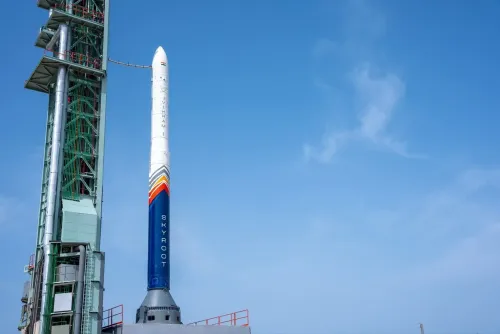
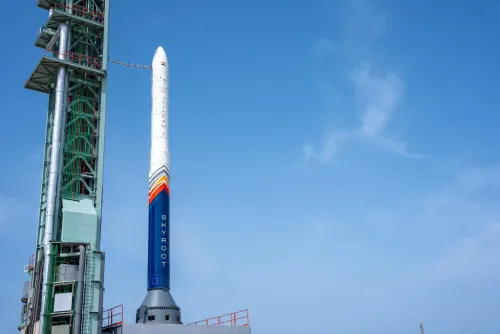
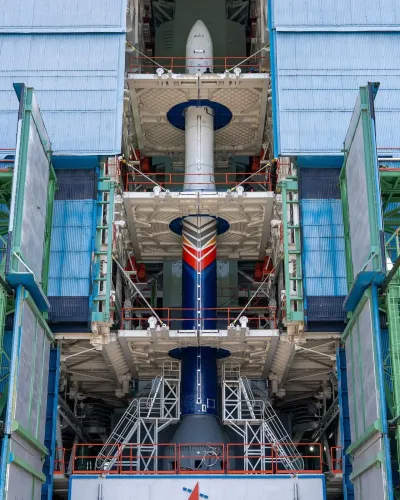
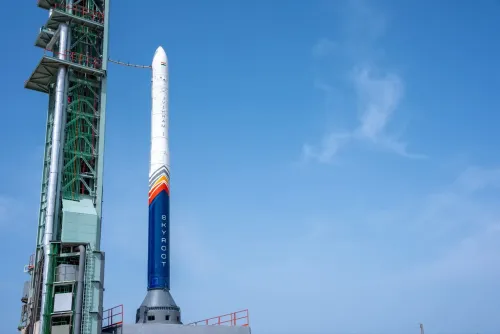
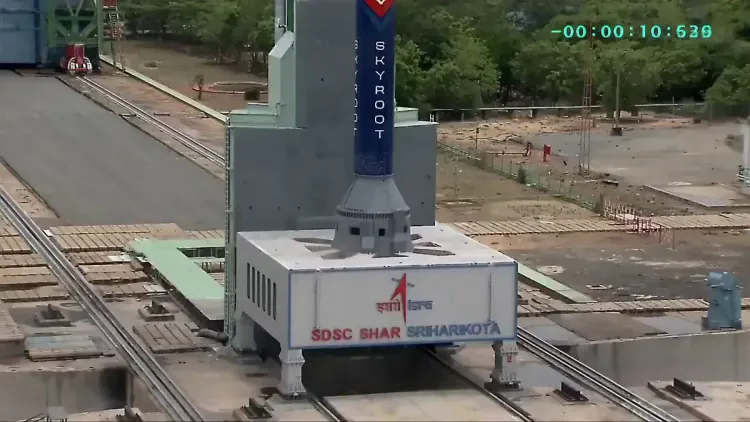
Vikram-1 is India's first privately developed orbital launch vehicle, built by Skyroot Aerospace of Hyderabad .
Kishan Reddy congratulated Skyroot on 18 July 2026 , linking the success to PM Narendra Modi 's space-sector reforms.
India opened its space sector to private end-to-end participation in 2020 and created IN-SPACe as the single-window regulator.
The launch is framed within the Viksit Bharat vision of technological self-reliance and global space-power status by 2047 .
A proven private orbital launch capability could attract further investment and reduce India's reliance on foreign launch providers.
Subsequent missions by Skyroot and other IN-SPACe-authorised firms will be key indicators of the sector's commercial maturity.
Union Coal and Mines Minister G. Kishan Reddy on Saturday, 18 July 2026 congratulated Skyroot Aerospace on the successful launch of Vikram-1, describing it as a historic milestone for India's private space sector. Reddy, who also serves as BJP Telangana state president, called the achievement a matter of 'immense pride' and directly linked it to Prime Minister Narendra Modi's reform agenda for the space economy.
Context
Vikram-1 is India's first privately developed orbital launch vehicle, built and launched by Skyroot Aerospace, a startup headquartered in Hyderabad, Telangana. In his post on X, Reddy stated that the success 'is a testament to the transformative vision of Prime Minister Modi, whose reforms have unlocked the immense potential of India's private space sector.' The minister also framed the launch as a proud milestone for Viksit Bharat, the government's overarching vision for a developed India by 2047.
Reddy specifically highlighted Hyderabad's role as a centre of innovation and entrepreneurship, noting that Skyroot's success 'showcases the spirit of innovation and entrepreneurship that our city represents.' As BJP's Telangana chief, Reddy has consistently positioned Hyderabad's technology ecosystem within a national development narrative.
Policy Backdrop
The launch comes against the backdrop of sweeping space-sector reforms initiated by the central government in 2020, when private companies were permitted to undertake end-to-end space activities for the first time. The government simultaneously established IN-SPACe (Indian National Space Promotion and Authorisation Centre) as a single-window regulator to streamline approvals for private players.
Before these reforms, India's space programme was effectively a state monopoly led by ISRO. The policy shift was designed to lower launch costs, attract private investment, and capture a larger share of the fast-growing global small-satellite launch market. Ministerial statements — including Reddy's — routinely connect such technological milestones to the Viksit Bharat framework and India's ambition to become a global space power.
Stakeholders and Impact
Skyroot Aerospace is among the most closely watched of India's new generation of private launch-vehicle developers. A successful orbital mission by a privately built Indian rocket would mark a significant commercial and technological threshold, validating the post-2020 regulatory architecture and potentially drawing further venture investment into the sector.
Broader stakeholders include domestic satellite operators, global small-satellite customers seeking affordable Indian launch options, and the wider ecosystem of aerospace component suppliers and engineers based in Hyderabad and other Indian cities. A proven private orbital launch capability could also reduce India's dependence on foreign launch providers for commercial payloads.
What's Next
Industry observers will watch for follow-on missions by Skyroot Aerospace and other IN-SPACe-authorised firms as they move from demonstration flights toward commercial operations. Parliamentary and budgetary follow-up on India's stated space-economy targets — including goals set for 2030 — will indicate how aggressively the government intends to scale the sector.
If Vikram-1's success is sustained across subsequent missions, India's private space industry could emerge as a credible competitor in the global small-satellite launch market, reinforcing Hyderabad's standing as a hub for deep-tech entrepreneurship and giving concrete shape to the Viksit Bharat technology-leadership agenda.
Point of View
Reddy — as BJP's Telangana president — also signals a claim on the state's technology identity ahead of future electoral cycles. The framing of Vikram-1 within Viksit Bharat is consistent with a broader ministerial pattern of anchoring discrete milestones to a long-horizon national vision, making the achievement legible to both domestic and international audiences. Whether the government follows through with expanded budgetary and regulatory support will determine if this milestone translates into sustained industrial momentum.
NationPress
18 Jul 2026
Frequently Asked Questions
What is Vikram-1 and who built it?
Vikram-1 is India's first privately developed orbital launch vehicle, designed and built by Skyroot Aerospace , a startup headquartered in Hyderabad, Telangana .
Why is the Vikram-1 launch significant for India?
It marks the first time a privately built Indian rocket has reached orbital class, validating the government's post-2020 space-sector liberalisation and potentially opening a new commercial launch market for India.
What reforms enabled private space launches in India?
In 2020 , the central government allowed private companies to undertake end-to-end space activities and established IN-SPACe as a single-window regulator, ending the state monopoly previously held by ISRO.
What is Viksit Bharat and how does it relate to space?
Viksit Bharat is the government's vision for a fully developed India by 2047 , which includes technological self-reliance and expanding the national space economy as a pillar of global competitiveness.
What did G. Kishan Reddy say about the Vikram-1 launch?
Reddy called it a 'matter of immense pride' and said the success is 'a testament to the transformative vision of Prime Minister Modi,' whose reforms 'unlocked the immense potential of India's private space sector.'