Kishan Reddy Meets 'Dharma Democracy' Author in Sydney
Synopsis
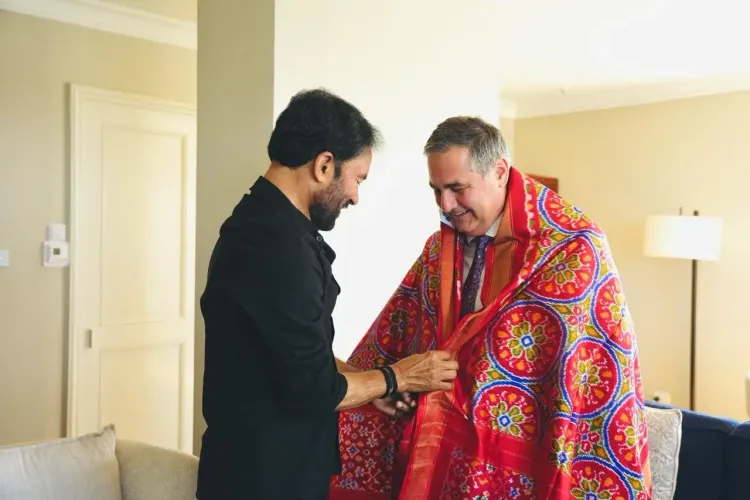
Union Coal and Mines Minister G. Kishan Reddy met Australian sociologist Prof. Salvatore Babones, author of 'Dharma Democracy', in Sydney on October 26, 2026, discussing India's democratic journey and potential academic collaborations between Indian think-tanks and Australian universities.
Key Takeaways
Kishan Reddy met Prof.
Salvatore Babones in Sydney on October 26, 2026 .
Babones is the author of 'Dharma Democracy' , which examines India's political and democratic institutions through a civilisational lens.
Discussions covered India's democratic journey and opportunities for deeper academic collaboration between Indian think-tanks and Australian universities .
India and Australia elevated ties to a Comprehensive Strategic Partnership in 2020 , which includes an education and research cooperation pillar.
The meeting reflects a broader pattern of India-Australia relations expanding from defence and trade into people-to-people and intellectual exchange.
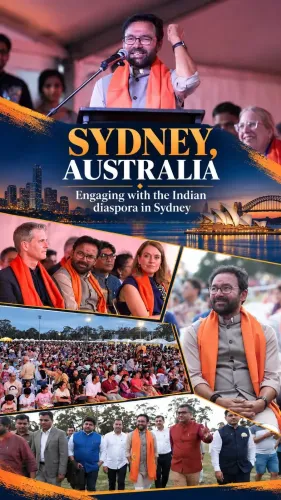
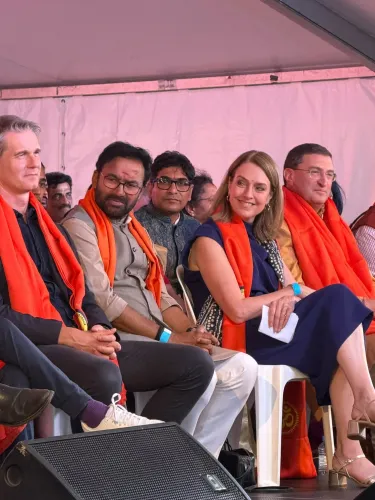
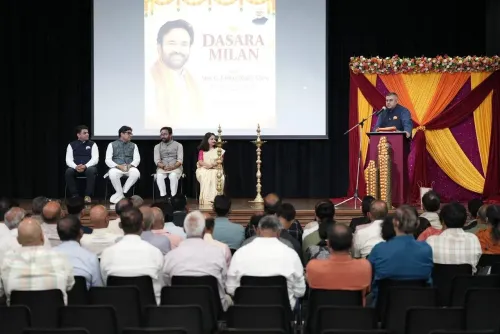
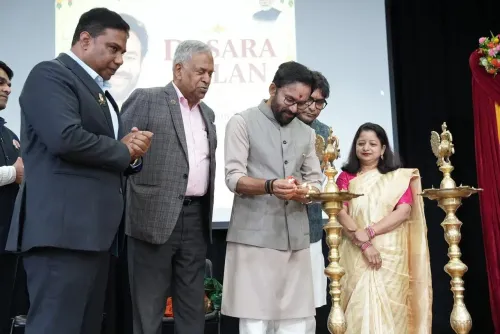
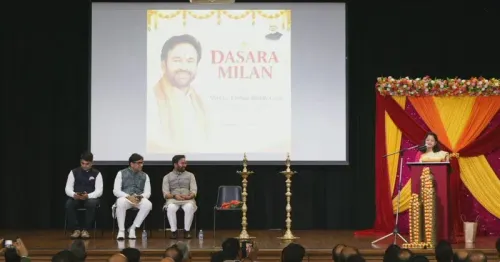
In Sydney on Monday, October 26, 2026, Union Coal and Mines Minister G. Kishan Reddy sat down with Prof. Salvatore Babones — the Australian sociologist whose book 'Dharma Democracy' has sparked international conversation about India's democratic identity — for what both sides described as an engaging exchange on India's democratic journey.
'Dharma Democracy' and the ideas at the table
Prof. Babones, who goes by @BabonesBhai on X, is among a small group of Western academics who have examined India's political institutions on their own conceptual terms rather than through a purely Western liberal lens. His book argues that India's democracy is shaped by a civilisational ethos — a framing that has drawn both scholarly praise and debate across campuses in India, Australia, and beyond. The minister's decision to seek him out in Sydney signals that the conversation around India's democratic self-image is now travelling at the level of cabinet.
India-Australia ties: from trade and defence to the campus
India and Australia elevated their relationship to a Comprehensive Strategic Partnership in 2020, a framework that explicitly includes education and research cooperation alongside the better-known pillars of defence, trade, and critical minerals. That institutional scaffolding matters here: Kishan Reddy's discussion with Babones about deeper academic collaboration between Indian think-tanks and Australian universities lands inside an already-active bilateral track, not as an isolated gesture. Regular high-level engagements over the past several years have steadily broadened the relationship from strategic hardware to people-to-people and intellectual exchange.
What a minister's academic outreach in Sydney could mean
A cabinet minister personally pursuing academic linkages while on an overseas visit is notable. Think-tank partnerships and joint university programmes have often languished at the level of intent; a senior political nudge can accelerate what bureaucratic channels do not. The specific pairing — a minister who holds a key portfolio in India's industrial economy meeting a scholar focused on India's democratic foundations — suggests the conversation ranged wider than any single policy file. Whether the meeting seeds a formal MoU or joint research programme between institutions on both sides remains to be announced.
Point of View
But through intellectual engagement. The choice of interlocutor is deliberate: a Western scholar who frames Indian democracy on India's own terms offers a very different validation than conventional liberal benchmarks. Placed within the 2020 Comprehensive Strategic Partnership framework, this kind of ministerial-level academic nudge has historically been a precursor to institutional MoUs. It also signals that the BJP's internationalisation of its civilisational politics is reaching into the academy, a space it has invested in more systematically since 2019.
NationPress
26 Oct 2026
Frequently Asked Questions
Who is Prof. Salvatore Babones and what is 'Dharma Democracy'?
Prof. Salvatore Babones is an Australian sociologist who wrote 'Dharma Democracy', a book that examines India's democratic institutions through the lens of its civilisational ethos rather than purely Western liberal frameworks. He is known on social media as @BabonesBhai.
Why did G. Kishan Reddy visit Sydney in October 2026?
G. Kishan Reddy was in Sydney on October 26, 2026, where he met Prof. Salvatore Babones for discussions on India's democratic journey and possibilities for academic collaboration between Indian think-tanks and Australian universities. The full details of his travel schedule have not been officially disclosed.
What is the India-Australia Comprehensive Strategic Partnership?
India and Australia elevated their bilateral relationship to a Comprehensive Strategic Partnership in 2020, covering defence, trade, critical minerals, and education and research cooperation — the last of which forms the backdrop for Kishan Reddy's academic outreach in Sydney.
What could come out of Kishan Reddy's meeting with Prof. Babones?
The two discussed opportunities to foster deeper academic collaboration between Indian think-tanks and Australian universities. Possible outcomes include formal MoUs or joint research programmes, though no specific agreements have been announced following the October 26 meeting.
How have India-Australia ties expanded beyond defence and trade?
Since the 2020 Comprehensive Strategic Partnership, India and Australia have broadened engagement into people-to-people and academic links. Regular high-level meetings have supported institutional exchanges, and ministerial-level academic outreach — like Kishan Reddy's Sydney meeting — is part of that growing track.