Kishan Reddy Meets Railway Minister, Telangana CM on Hyderabad Metro
Synopsis
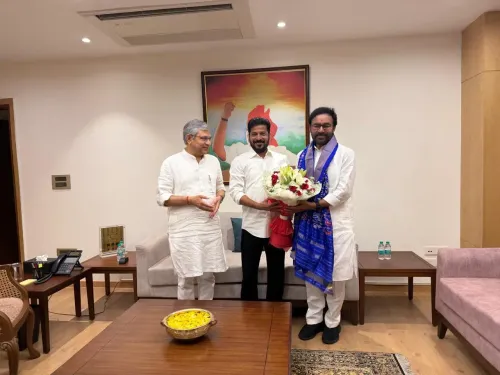
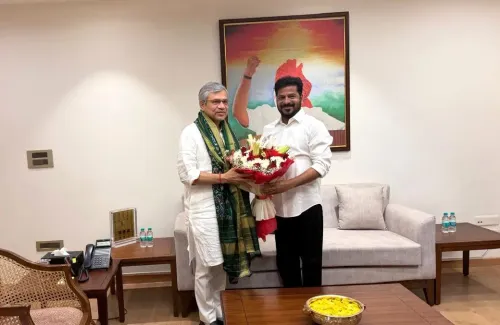
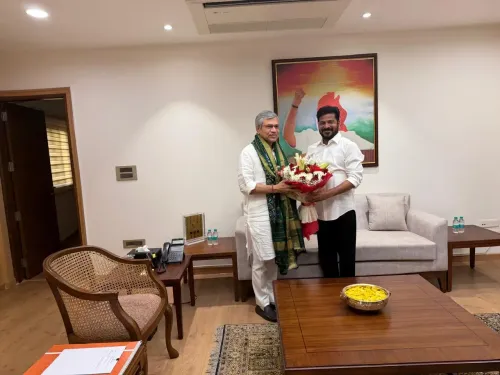
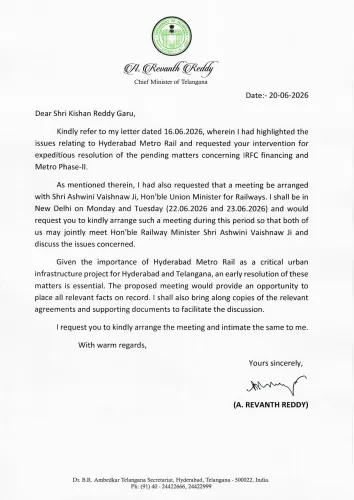
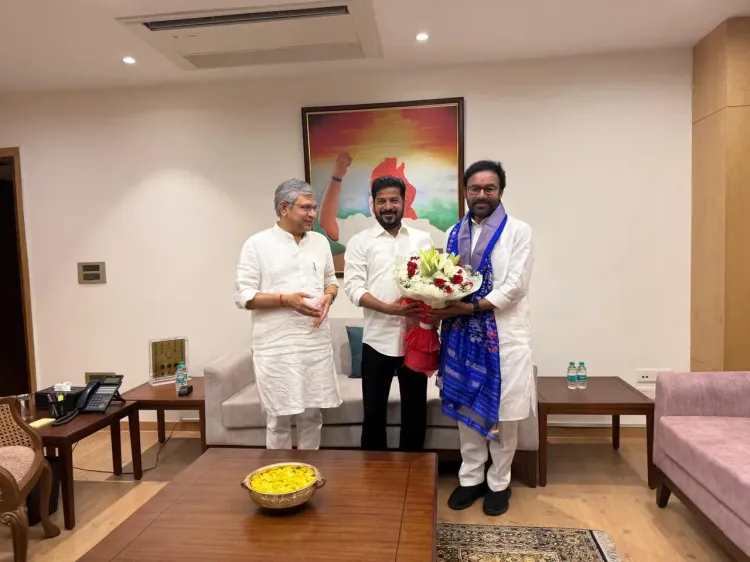
Union Minister G. Kishan Reddy met Railway Minister Ashwini Vaishnaw and Telangana CM Revanth Anumula in New Delhi on 22 June 2026 to discuss key issues concerning the Hyderabad Metro Rail Project, signalling cross-party momentum on the city's urban transit expansion.
Key Takeaways
Kishan Reddy held separate meetings in New Delhi on 22 June 2026 with Railway Minister Ashwini Vaishnaw and Telangana CM Revanth Anumula .
Discussions centred on 'several key issues' related to the Hyderabad Metro Rail Project , according to Kishan Reddy's post on X.
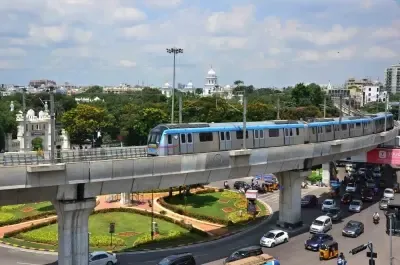
Hyderabad Metro Phase 1 has been fully operational since 2017 ; Phase 2 expansion corridors are under discussion.
Metro rail expansions in India require coordination between the Ministry of Railways and state governments on approvals, land and funding.
The meeting is politically notable as it brings together a senior BJP leader and the Congress -led Telangana government on a shared infrastructure goal.
Next steps to watch include corridor approvals, funding sanctions, or formal joint review meetings on Hyderabad Metro Phase 2 .
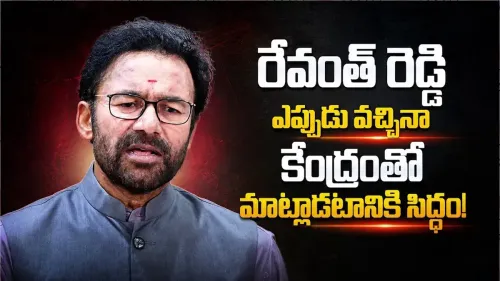
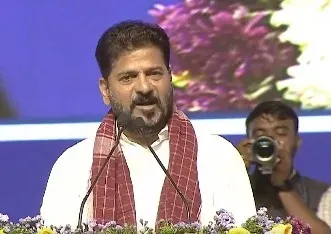
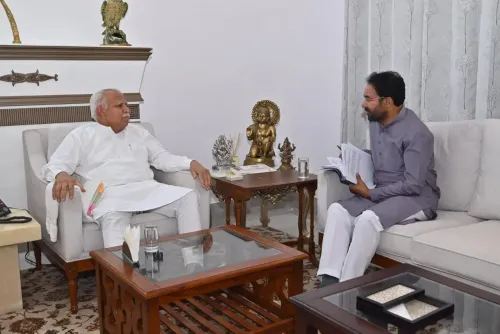
Union Coal and Mines Minister and BJP Telangana president G. Kishan Reddy met Union Railway Minister Ashwini Vaishnaw and Telangana Chief Minister Revanth Anumula separately in New Delhi on Monday, 22 June 2026 to discuss several key issues related to the Hyderabad Metro Rail Project.
Kishan Reddy shared the development on X, writing in Telugu: 'ఈ సందర్బంగా హైదరాబాద్ మెట్రో రైల్ ప్రాజెక్ట్కు సంబంధించిన పలు కీలక అంశాలపై చర్చించాము' ('On this occasion, we discussed several key issues related to the Hyderabad Metro Rail Project'). The post tagged the offices of the Railway Ministry and the Telangana Chief Minister.
Context
The Hyderabad Metro Rail is one of India's largest urban mass rapid transit systems, with Phase 1 having become fully operational in 2017 under a public-private partnership model. Discussions around a Phase 2 expansion have been ongoing, involving route extensions to underserved parts of the city. Any forward movement on Phase 2 requires active coordination between the Ministry of Railways, the Telangana state government, and other central agencies.
Kishan Reddy, though a central minister holding the Coal and Mines portfolio, is also the BJP's Telangana state president, giving him a direct political stake in infrastructure outcomes in the state. His engagement with both the Railway Minister and the Congress-led state government signals a cross-party effort on a project of civic importance to Hyderabad.
Policy Backdrop
Metro rail projects in India sit at the intersection of central and state jurisdiction. The Ministry of Railways plays a key role in corridor approvals, technical clearances, and funding coordination, while state governments handle land acquisition, local planning, and co-financing. The central government has supported urban mass transit expansions in major cities through dedicated urban infrastructure programmes since the early 2000s.
Hyderabad has received sustained central attention owing to its rapid population growth and its status as a major economic hub. The city's metro network is seen as critical infrastructure for managing traffic congestion and reducing vehicular emissions as the urban agglomeration expands.
Stakeholders and Impact
The primary beneficiaries of any progress on the Hyderabad Metro expansion are the city's millions of daily commuters, particularly those in corridors not yet covered by Phase 1. Real estate developers, technology-sector employers concentrated in areas like HITEC City, and the broader Telangana economy stand to gain from improved connectivity.
Politically, the meeting is notable because it brings together a senior BJP leader and the Congress Chief Minister of Telangana around a shared infrastructure agenda — an unusual alignment that underscores the non-partisan urgency around the project. Revanth Anumula, who took charge as Chief Minister in December 2023, has made urban infrastructure a visible priority of his administration.
What's Next
The immediate focus will be on whether Monday's discussions translate into formal follow-up steps — including joint review meetings, funding sanction announcements, or corridor approval notifications for Hyderabad Metro Phase 2. The involvement of the Railway Minister suggests that technical and financial parameters may be under active review.
Any central funding commitment or corridor approval for Phase 2 would mark a significant milestone for Hyderabad's urban mobility infrastructure and is likely to be watched closely by commuters, urban planners, and political observers across Telangana.
Point of View
Kishan Reddy has an incentive to demonstrate federal delivery for the state even under an opposition-led government — a pattern seen in infrastructure-heavy states where central-state optics matter electorally. The meeting fits a broader arc in which the central government has used metro rail investments to signal commitment to urban India ahead of state election cycles. Whether this diplomatic groundwork yields a concrete Phase 2 announcement will determine its lasting political and policy significance.
NationPress
23 Jun 2026
Frequently Asked Questions
What did Kishan Reddy discuss with Ashwini Vaishnaw and Revanth Anumula?
Kishan Reddy met Railway Minister Ashwini Vaishnaw and Telangana CM Revanth Anumula in New Delhi on 22 June 2026 to discuss several key issues related to the Hyderabad Metro Rail Project, as stated in his post on X.
What is the current status of the Hyderabad Metro Rail Project?
Hyderabad Metro Phase 1 has been fully operational since 2017. Phase 2, which involves route extensions to additional parts of the city, is under discussion and requires central government approvals and funding coordination.
Why is Kishan Reddy involved in Hyderabad Metro talks if he is Coal and Mines Minister?
Beyond his central cabinet role, Kishan Reddy is the BJP's Telangana state president, giving him a direct political stake in infrastructure development in the state and a reason to engage on metro rail issues.
Who is Revanth Anumula?
Revanth Anumula is the Chief Minister of Telangana, in office since December 2023, representing the Indian National Congress.
What are the next steps for Hyderabad Metro Phase 2?
Observers will watch for formal follow-up actions such as corridor approval notifications, central funding sanctions, or joint review meetings between the Railway Ministry and the Telangana government following the 22 June 2026 discussions.