Kishan Reddy meets Vaishnaw, CM Revanth on Hyderabad Metro
Synopsis
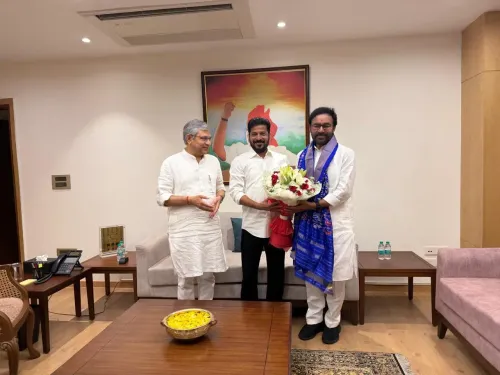
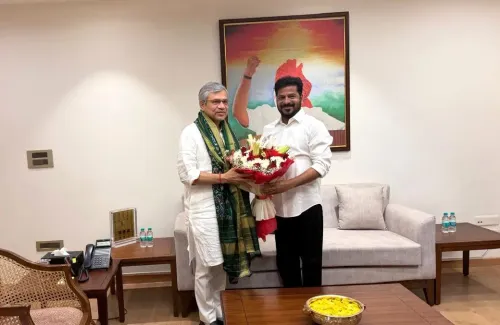
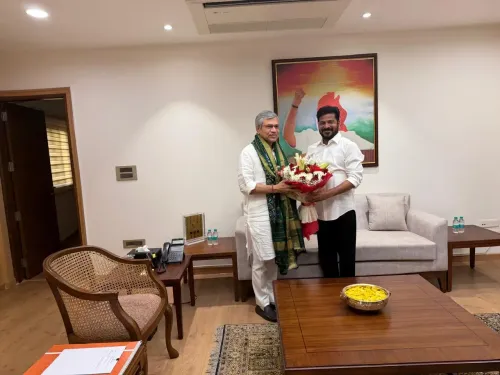
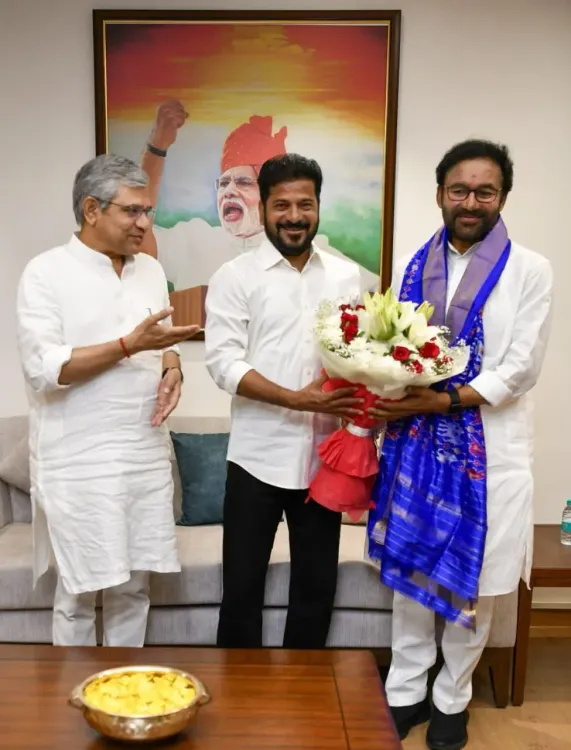
Union Minister G. Kishan Reddy met Railways Minister Ashwini Vaishnaw and Telangana CM Revanth Reddy in New Delhi on 22 June 2026, with discussions focused on the Hyderabad Metro Rail Project and its future expansion prospects.
Key Takeaways
Kishan Reddy , Union Minister of Coal and Mines and BJP Telangana president, met Railways Minister Ashwini Vaishnaw and Telangana CM Revanth Reddy in New Delhi on 22 June 2026 .
Discussions centred on the Hyderabad Metro Rail Project , signalling active engagement on the city's urban transit future.
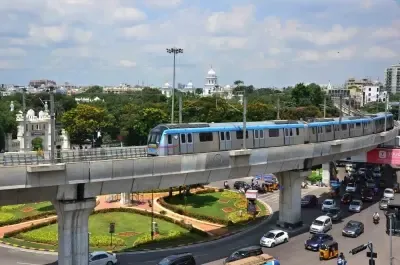
Phase 1 of Hyderabad Metro became operational between 2017 and 2020 under a public-private partnership with L&T Metro Rail Hyderabad Ltd .
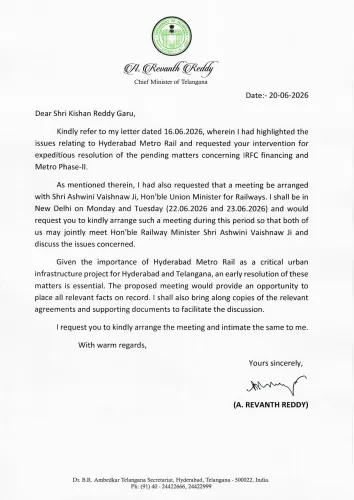
The Telangana government has submitted proposals for Phase 2 extensions to the central government since 2023 .
The cross-party meeting — involving BJP and Congress leaders — highlights the shared infrastructure stakes around Hyderabad's metro expansion.
Formal cabinet or NITI Aayog clearance for Phase 2 corridors and budget funding remain the key milestones to watch.
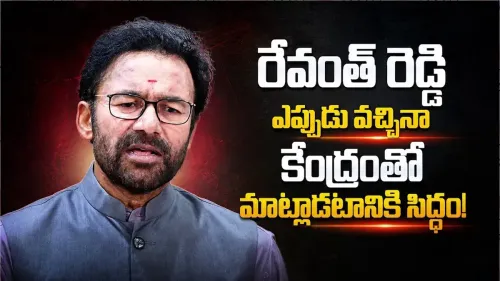
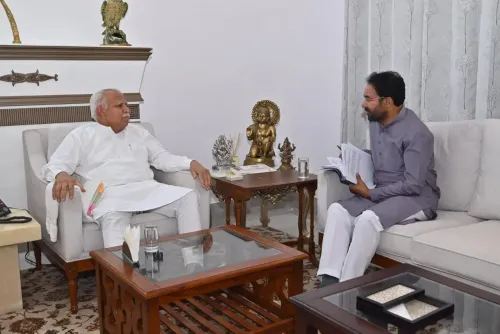
Union Coal and Mines Minister G. Kishan Reddy met Union Railways Minister Ashwini Vaishnaw and Telangana Chief Minister Revanth Reddy in New Delhi on Monday, 22 June 2026 to discuss matters related to the Hyderabad Metro Rail Project.
Context
Kishan Reddy, who also serves as BJP Telangana state president, confirmed the trilateral meeting on social media, stating that the discussion centred on 'matters pertaining to the Hyderabad Metro Rail Project.' The meeting brought together a central minister from the ruling alliance, the railway ministry, and the Congress-led Telangana state government — a notable cross-party engagement on a shared infrastructure priority.
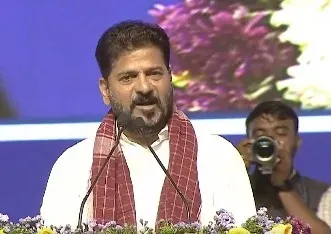
Revanth Reddy has been Chief Minister of Telangana since December 2023, and his government has been actively pursuing central support for expanding the city's metro network.
Policy Backdrop
The Hyderabad Metro Rail Project was originally awarded in 2008 to L&T Metro Rail Hyderabad Ltd under a public-private partnership model. Phase 1 corridors became operational between 2017 and 2020, making Hyderabad one of India's largest metro networks by route length.
Following the formation of the new Telangana government, the state submitted proposals for Phase 2 extensions to the central government. Phase 2 is expected to significantly expand coverage to underserved corridors of the city, easing pressure on road infrastructure in one of India's fastest-growing urban centres.
Central ministries routinely coordinate with state governments on metro rail expansions as part of national urban mobility programmes, with discussions typically covering funding structures, land acquisition timelines, and integration with Indian Railways infrastructure.
Stakeholders and Impact
The primary beneficiaries of any progress on Hyderabad Metro expansion would be the city's millions of daily commuters, who currently face significant congestion on road networks. Hyderabad's rapid growth as a technology and services hub has intensified demand for reliable mass transit.
The involvement of the Ministry of Railways is significant because metro projects of this scale require coordination on interoperability, station integration with mainline rail, and in some cases, central funding support through viability gap financing or budget grants. The Telangana state government's ability to advance Phase 2 is closely tied to the pace of central approvals and funding allocations.
What's Next
The June 2026 meeting signals continued high-level engagement between the state and the Centre on the metro project's future. Observers will watch for any formal cabinet or NITI Aayog clearance for Hyderabad Metro Phase 2 corridors, as well as associated funding announcements in upcoming Union Budget cycles.
With a senior BJP leader facilitating dialogue between the railway ministry and a Congress-governed state, the meeting also underscores that infrastructure imperatives can cut across political lines — particularly ahead of any future electoral cycles in Telangana.
Point of View
Suggesting infrastructure pragmatism is overriding partisan friction. For the Revanth Reddy government, securing central funding and clearances for Phase 2 is both a governance priority and a political deliverable ahead of future elections. The pace at which formal approvals follow this meeting will be the real measure of its significance.
NationPress
23 Jun 2026
Frequently Asked Questions
What was discussed in the Kishan Reddy meeting with Ashwini Vaishnaw and Revanth Reddy?
The meeting, held in New Delhi on 22 June 2026, focused on matters related to the Hyderabad Metro Rail Project, including its future expansion.
What is the current status of Hyderabad Metro Phase 2?
The Telangana government submitted Phase 2 extension proposals to the central government after 2023. As of the June 2026 meeting, formal cabinet or NITI Aayog clearance is still awaited.
Why is the Railways Minister involved in the Hyderabad Metro discussions?
Metro projects of this scale require coordination with the Ministry of Railways on issues such as station integration with mainline rail, funding structures, and interoperability.
Who is G. Kishan Reddy?
G. Kishan Reddy is the Union Minister of Coal and Mines and the BJP state president for Telangana. He represents a Hyderabad constituency and has been a key voice on the city's infrastructure needs.
When did Hyderabad Metro Phase 1 become operational?
Hyderabad Metro Phase 1 corridors became operational between 2017 and 2020 under a public-private partnership model with L&T Metro Rail Hyderabad Ltd.