Kishan Reddy pays tribute to Guru Ramdas Ji on Prakash Parv
Synopsis
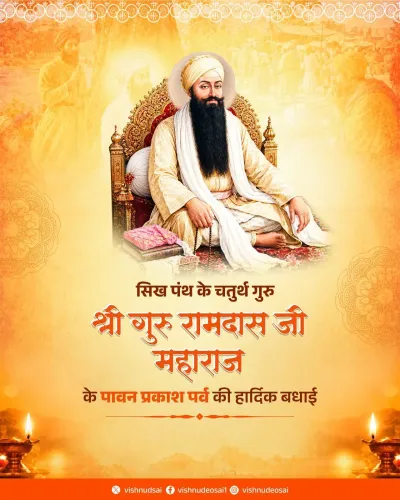
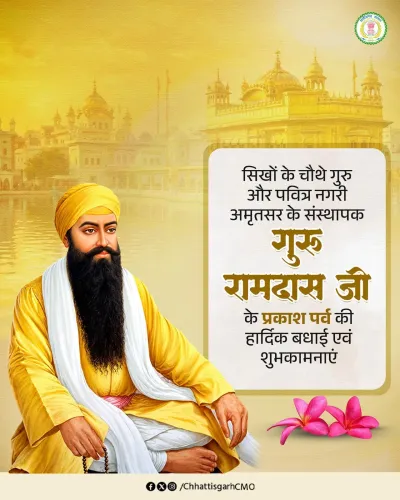
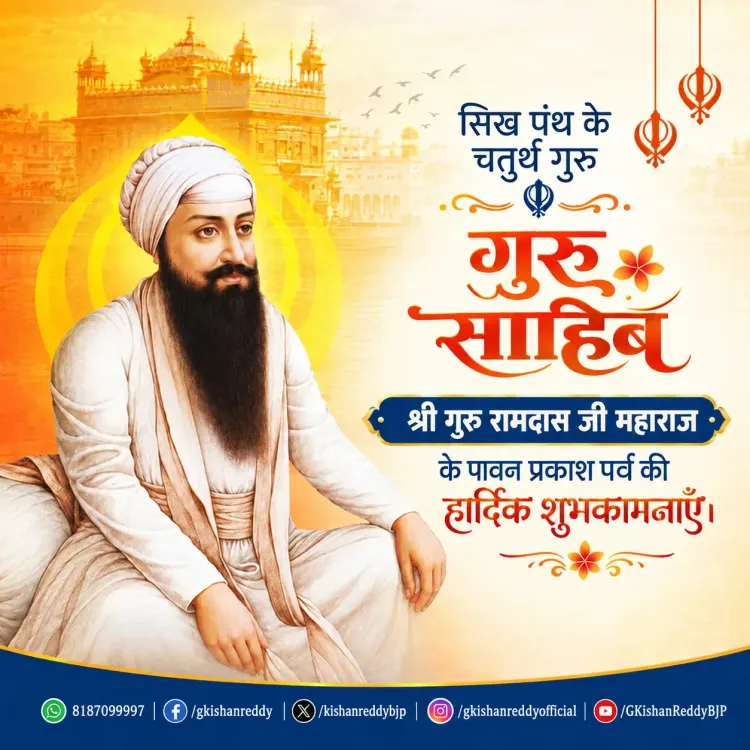
Union Coal and Mines Minister G. Kishan Reddy marked the Prakash Parv of Guru Ramdas Ji — fourth Sikh Guru and founder of Amritsar — paying tribute to his enduring teachings of service, equality, and compassion.
Key Takeaways
Kishan Reddy , Union Minister of Coal and Mines and BJP Telangana president, paid tribute to Guru Ramdas Ji on his Prakash Parv.
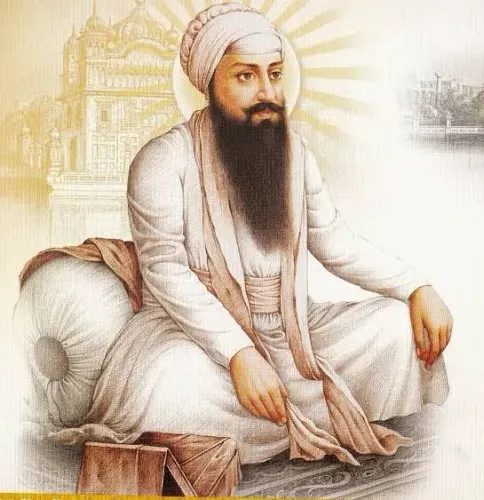
Guru Ramdas Ji (1534–1581) was the fourth Guru of Sikhism and founded the city of Amritsar in 1574 .
His compositions are enshrined in the Guru Granth Sahib , including the Laavan hymns central to Sikh wedding ceremonies.
Reddy invoked the Guru's teachings of equality, selfless service, humility, and compassion as eternally relevant to all humanity.
The tribute is part of a broader Indian political tradition of honouring Sikh Gurus on their birth anniversaries as shared national heritage.
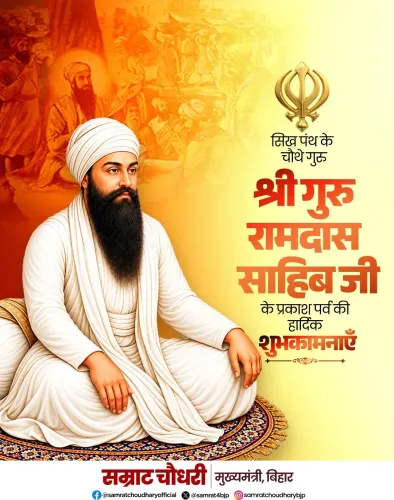
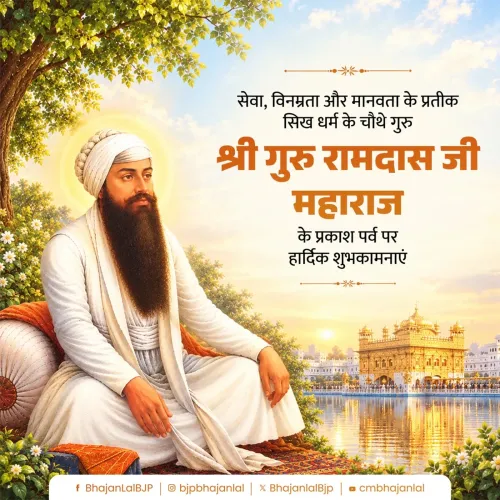
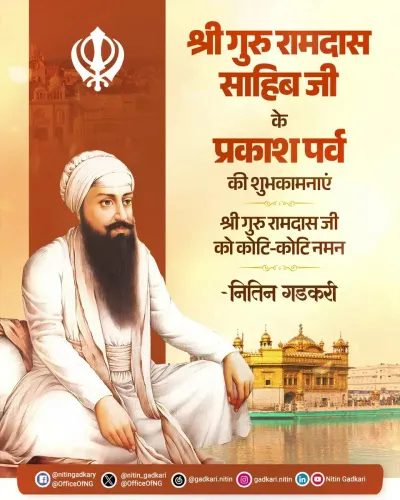
On the auspicious occasion of the Prakash Parv of Guru Ramdas Ji, Union Coal and Mines Minister G. Kishan Reddy offered his reverential tribute to the fourth Guru of Sikhism, invoking the timeless values of equality, selfless service, humility, and compassion that Guru Sahib embodied.
In his post, Kishan Reddy wrote: 'सेवा, भक्ति और समरसता के प्रतीक' — 'a symbol of service, devotion and harmony' — bowing in reverence to Guru Ramdas Ji on his sacred birth anniversary. He described the Guru's eternal teachings as a continuing inspiration for all of humanity.
The Guru who built Amritsar
Guru Ramdas Ji (1534–1581), the fourth of the ten Sikh Gurus, holds a singular place in both religious and civic history. It was he who founded the city of Amritsar in 1574, establishing it as the spiritual and cultural heartland of the Sikh faith. The sacred pool he commissioned would eventually become the site of the Harmandir Sahib — the Golden Temple — drawing millions of pilgrims every year.
His compositions, enshrined in the Guru Granth Sahib, carry his voice across centuries. The Laavan — the Sikh wedding hymns he authored — remain central to Anand Karaj ceremonies to this day. Service without ego. Equality without condition. These were not aspirations for Guru Ramdas Ji; they were a practice.
A national tradition of Gurpurb acknowledgement
Kishan Reddy's tribute follows a well-established pattern in Indian political life: leaders across party lines mark the birth anniversaries of the Sikh Gurus as occasions of shared national heritage. The values the Gurus championed — seva (service), simran (devotion), sangat (community) — are routinely invoked as cornerstones of India's composite culture.
As BJP's Telangana state president and a senior Union Minister, Reddy's message reaches both a national audience and the significant Sikh diaspora community that looks to such acknowledgements as gestures of respect and inclusion.
Centuries after Guru Ramdas Ji laid the foundation of Amritsar, his call to serve without seeking — to kneel before none but the Divine and stand beside all — still echoes louder than most modern proclamations ever will.
Point of View
The gesture also speaks to South India's growing Sikh diaspora, a constituency the party has sought to cultivate. The framing of Guru Ramdas Ji's teachings as universal heritage rather than sectarian identity is deliberate: it positions the BJP within a broad civilisational narrative, one that has been central to the party's cultural messaging across multiple election cycles.
NationPress
27 Oct 2026
Frequently Asked Questions
Who was Guru Ramdas Ji?
Guru Ramdas Ji (1534–1581) was the fourth Guru of Sikhism, revered for his hymns in the Guru Granth Sahib and for founding the city of Amritsar in 1574, which became the spiritual centre of the Sikh faith.
What is Prakash Parv in Sikhism?
Prakash Parv is the birth anniversary celebration of a Sikh Guru. The word 'Prakash' means divine light, and the occasion is marked with prayers, processions, and community service in gurdwaras across India and the world.
Who founded the city of Amritsar?
Amritsar was founded by Guru Ramdas Ji in 1574. The Guru established the sacred pool and township that would later become home to the Harmandir Sahib, also known as the Golden Temple.
What did G. Kishan Reddy say about Guru Ramdas Ji?
Union Minister G. Kishan Reddy described Guru Ramdas Ji as a symbol of service, devotion, and harmony, and said the Guru's eternal teachings of equality, selfless service, humility, and compassion continue to inspire all of humanity.
Why do Indian politicians mark Sikh Gurpurabs publicly?
Indian political leaders across parties routinely issue messages on Sikh Gurpurabs to acknowledge the community's historical and cultural contributions, presenting the Gurus' teachings as part of India's shared national heritage.