Kishan Reddy Reviews Anganwadi Centre in Secunderabad
Synopsis
Union Coal and Mines Minister G. Kishan Reddy visited an Anganwadi centre in B.K. Guda, Secunderabad under the Aangan Milan Sewa initiative, reviewing Poshan Abhiyaan implementation and distributing fruits, school bags, and essentials to children and mothers.
Key Takeaways
Kishan Reddy visited the Anganwadi Centre at B.K.
Guda in his Secunderabad Parliamentary Constituency on September 26, 2026 .
The visit was conducted under the 'Aangan Milan Sewa' initiative as part of the broader Seva Sankalp Abhiyan .
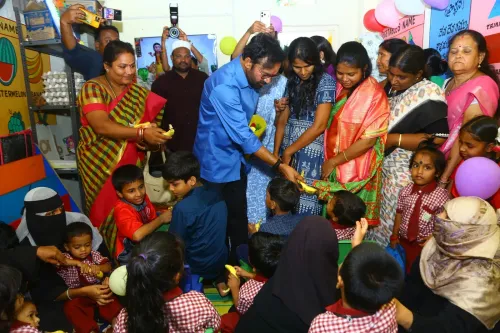
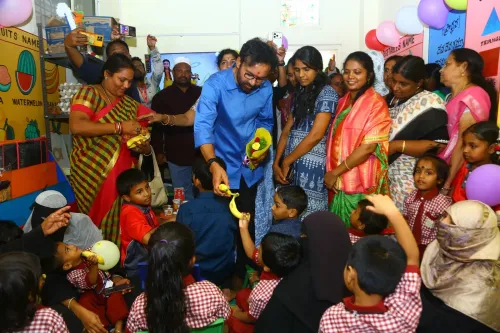
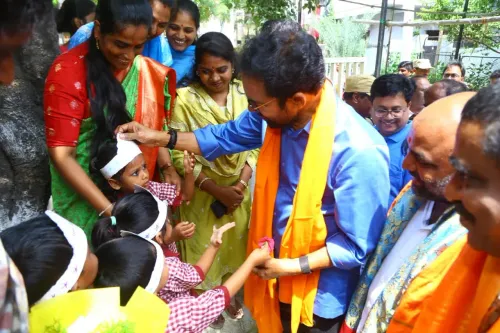
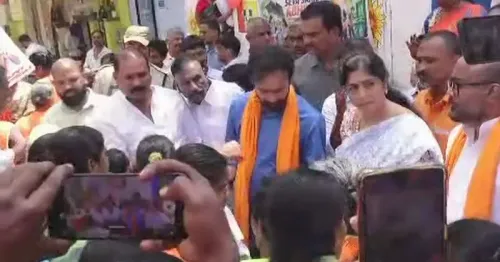
Reddy reviewed facilities, interacted with Anganwadi workers, children, and mothers , and highlighted improvements under Poshan Abhiyaan .
Poshan Abhiyaan , launched in 2018 , is the National Nutrition Mission aimed at reducing malnutrition through strengthened Anganwadi infrastructure.
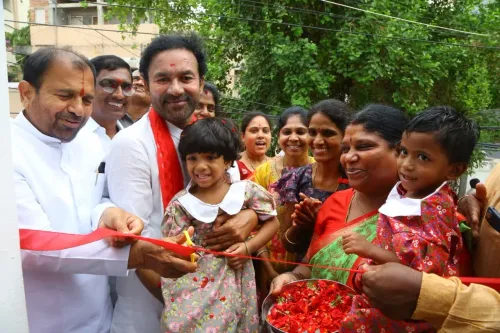
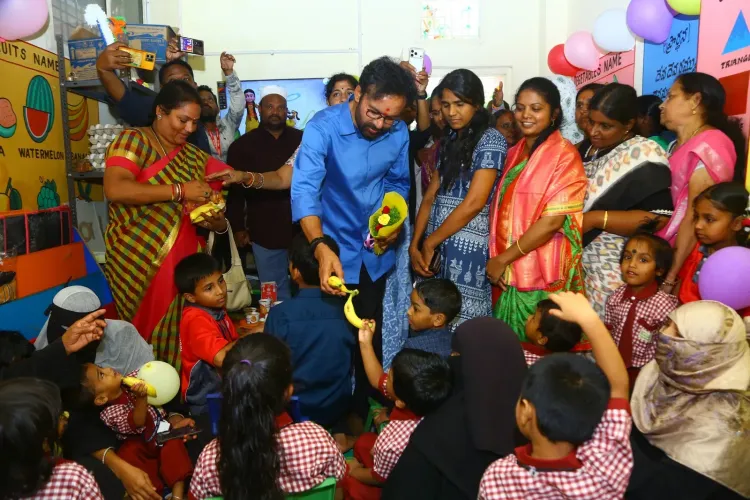
The minister distributed fruits, school bags, and daily essentials to beneficiaries during the visit.
Reddy serves as both Secunderabad MP and BJP Telangana state president , making constituency welfare outreach a key part of his dual role.
Walking into an Anganwadi centre in B.K. Guda, Secunderabad, Union Coal and Mines Minister G. Kishan Reddy sat down with children, mothers, and frontline workers on Saturday, September 26, 2026 — a ground-level check on how India's flagship nutrition mission is actually landing in his own constituency.
What Kishan Reddy Saw at B.K. Guda
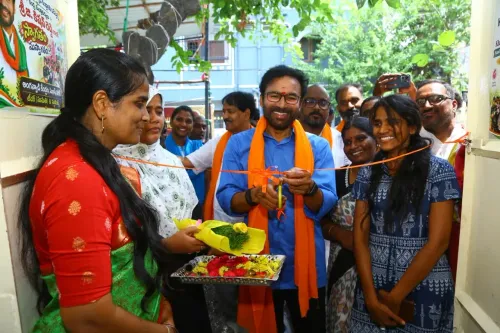
The visit was conducted as part of the 'Aangan Milan Sewa' initiative under the Seva Sankalp Abhiyan, a constituency outreach drive by the minister. Reddy reviewed the infrastructure, spoke directly with Anganwadi workers about day-to-day operations, and interacted with mothers and young children at the centre. He distributed fruits, school bags, and daily essentials to those present.
During the visit, Reddy underlined the role of Poshan Abhiyaan — the National Nutrition Mission launched in 2018 — in steadily upgrading Anganwadi infrastructure across the country, creating what he described as 'a better environment for children's development.'
Poshan Abhiyaan's Urban Constituency Test
Poshan Abhiyaan was designed to reduce malnutrition among children under six, pregnant women, and lactating mothers by strengthening the Anganwadi network — India's most widespread early childhood service delivery system. Launched under the Integrated Child Development Services programme, Anganwadi centres serve as the last-mile contact point for nutrition counselling, supplementary feeding, and pre-school education.
Visits by central ministers to constituency-level centres have become a recurring feature of Poshan Abhiyaan outreach, serving as both a review mechanism and a visible signal of political investment in the programme. For an urban constituency like Secunderabad, where child nutrition gaps can be obscured by aggregate city-level data, these ground visits also surface specific facility-level needs.
Reddy's Dual Role in Telangana
As both the sitting Member of Parliament from Secunderabad and BJP Telangana state president, Kishan Reddy occupies a rare dual position — simultaneously shaping the party's state-level strategy and maintaining active constituency presence. Regular welfare outreach at institutions like Anganwadi centres is a visible part of that balancing act, connecting the national government's social programmes to local communities in a politically contested state.
The Anganwadi workers he met are among the most underpaid yet consequential figures in India's public health architecture — the women who track child weight, run nutrition sessions, and coordinate with ASHA workers at the village and urban-ward level. Their working conditions and centre infrastructure remain a live policy conversation in parliamentary committees.
Point of View
Keeping welfare optics active in Telangana — a state the party is working hard to entrench itself in — makes these visits more than routine. The focus on Anganwadi infrastructure signals that the government is aware frontline delivery, not just headline nutrition targets, will determine how the mission is ultimately judged. With parliamentary scrutiny of Poshan Abhiyaan coverage in urban centres growing, ground visits like this also pre-empt criticism by demonstrating direct ministerial accountability.
NationPress
26 Sept 2026
Frequently Asked Questions
What is the Aangan Milan Sewa initiative?
Aangan Milan Sewa is a constituency outreach activity conducted under the Seva Sankalp Abhiyan, through which elected representatives visit Anganwadi centres to review services and interact with beneficiaries.
What is Poshan Abhiyaan and when was it launched?
Poshan Abhiyaan, or the National Nutrition Mission, was launched in 2018 to reduce malnutrition among children under six, pregnant women, and lactating mothers by strengthening Anganwadi infrastructure and community outreach.
Which Anganwadi centre did Kishan Reddy visit?
G. Kishan Reddy visited the Anganwadi Centre at B.K. Guda in Secunderabad Parliamentary Constituency on September 26, 2026 .
What did Kishan Reddy distribute at the Anganwadi centre?
He distributed fruits, school bags, and daily essentials to children and mothers present at the B.K. Guda Anganwadi Centre.
What is G. Kishan Reddy's role in Telangana politics?
G. Kishan Reddy is both the Union Minister of Coal and Mines and the BJP Telangana state president , while also serving as the sitting Member of Parliament from Secunderabad .