No Tax on UPI: Sitharaman Sets the Record Straight
Synopsis
Finance Minister Nirmala Sitharaman posted a Tamil-language clarification on September 26, 2026, firmly stating the central government has imposed no tax or cess on UPI transactions — reaffirming the zero-MDR policy in place since December 2019.
Key Takeaways
The central government has not levied any tax or cess on UPI transactions , regardless of transaction size.
Sitharaman's clarification was posted in Tamil on September 26, 2026 , directly targeting vernacular-language audiences.
The zero-MDR policy on UPI and RuPay has been in force since December 2019 , with banks compensated by the government.
UPI , launched by NPCI in August 2016 , processes billions of transactions monthly and remains free of hidden charges for consumers.
Users pay only the exact price of goods or services — identical to card payments — with no surcharge added at the point of transaction.
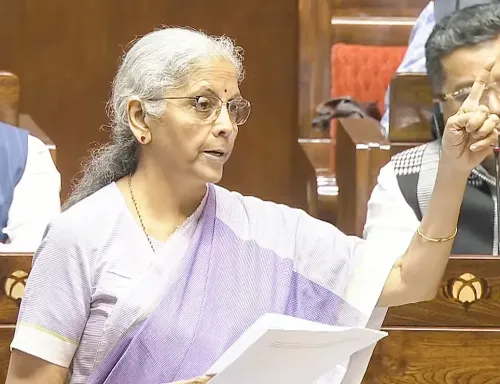
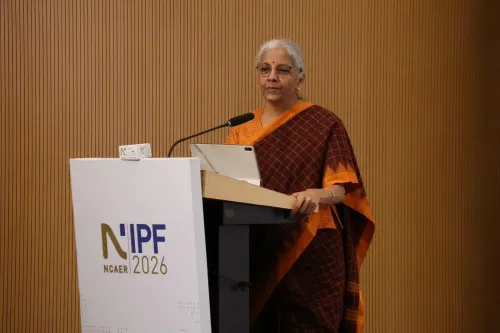
A rumour was circulating. And Union Finance Minister Nirmala Sitharaman moved swiftly on Saturday, September 26, 2026 to kill it — posting a crisp, direct clarification on X that the central government has not levied any tax or cess on UPI transactions, regardless of the amount involved.
The post, shared from her official X handle @nsitharamanoffc in Tamil, states plainly: 'யுபிஐ பரிவர்த்தனைகள் மீது மத்திய அரசு எந்தவித வரியையோ அல்லது கூடுதல் வரியையோ விதிக்கவே இல்லை' — 'The central government has not imposed any tax or cess whatsoever on UPI transactions.' The clarification adds that citizens pay only the exact price of what they purchase, just as they would with a card payment — no hidden surcharge, no additional burden.Zero MDR: The Policy Nirmala Sitharaman Is Defending
The clarification centres on UPI MDR — Merchant Discount Rate — the small fee that payment networks typically charge when processing a transaction. The central government waived MDR on UPI and RuPay transactions in December 2019, compensating banks directly to ensure the cost did not fall on merchants or consumers. That policy has remained unchanged.
UPI, developed by the National Payments Corporation of India (NPCI) and launched in August 2016, now processes billions of transactions every month. The zero-MDR promise has been one of its central selling points — a deliberate policy choice to make digital payments friction-free for the last-mile user: the vegetable vendor, the auto-rickshaw driver, the small-town shopkeeper.
Why a Tamil-Language Post, and Why Now
The decision to post in Tamil is notable. It targets a wide vernacular audience directly — suggesting the rumour about UPI taxation had spread in Tamil-speaking regions, or that Sitharaman, herself from Tamil Nadu, wanted the reassurance to reach people in their own language. The post's wording is deliberate: it addresses both 'tax' (வரி) and 'cess' (கூடுதல் வரி) separately, closing every possible interpretive gap.
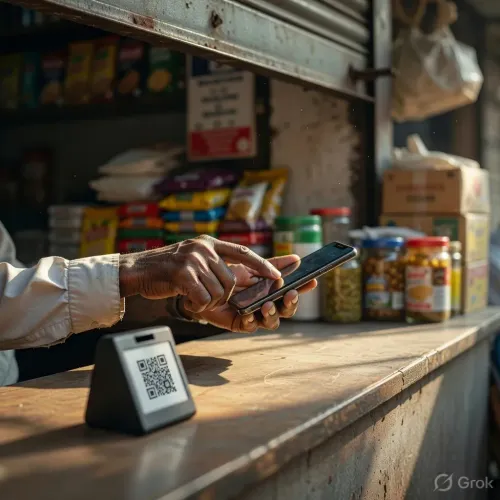
For the millions of small merchants and daily consumers who depend on UPI as their primary payment rail, the message is simple: nothing has changed. Scan. Pay. No extra charge.
Misinformation about payment charges has historically depressed digital-payment adoption among price-sensitive users. A Finance Minister's direct, vernacular rebuttal is the sharpest instrument available to reverse that slide — and Sitharaman used it without waiting for a press conference.
Point of View
The Finance Minister is also signalling political attentiveness to southern constituencies ahead of any future electoral cycle. The clarification reinforces that UPI's public-good framing — a free, universal payment rail — remains the government's non-negotiable baseline.
NationPress
26 Sept 2026
Frequently Asked Questions
Is there any tax on UPI payments in India in 2026?
No. Finance Minister Nirmala Sitharaman confirmed on September 26, 2026 that the central government has not imposed any tax or cess on UPI transactions, regardless of the amount.
What is UPI MDR and has it been waived?
MDR (Merchant Discount Rate) is a fee charged for processing digital transactions. The government waived MDR on UPI and RuPay payments in December 2019, and that waiver remains in force — meaning merchants and consumers pay nothing extra.
Why did Nirmala Sitharaman post about UPI in Tamil?
The Tamil-language post appears aimed at directly reaching vernacular-language users where rumours about UPI taxation may have been circulating, ensuring the clarification reached ordinary consumers in their own language.
Do I pay extra charges when using UPI to buy something?
No. As confirmed by the Finance Ministry, UPI users pay only the exact price of the goods or services they purchase — there is no surcharge or hidden fee added, just as with a card payment.
When was the zero-MDR policy on UPI introduced?
The government waived MDR on UPI and RuPay transactions in December 2019 as part of its push to expand digital payments and reduce cash usage, compensating banks to cover the cost.