Kishan Reddy visits Anganwadi centres in Secunderabad
Synopsis
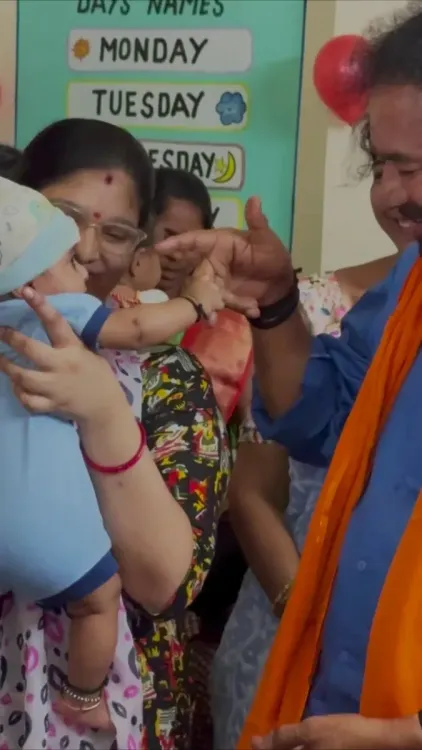
Union Minister G. Kishan Reddy toured Anganwadi centres in his Secunderabad constituency on September 26, interacting with children, mothers and workers under the Seva Sankalp Abhiyan's Aangan Milan Sewa initiative to assess nutrition, healthcare and facility needs.
Key Takeaways
Kishan Reddy visited Anganwadi centres in Secunderabad Parliamentary Constituency on September 26, 2026 .
The visit was conducted under the Aangan Milan Sewa initiative, part of the Seva Sankalp Abhiyan .
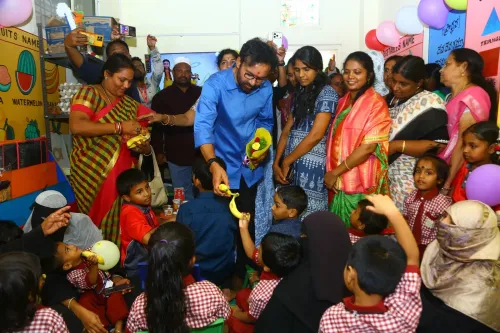
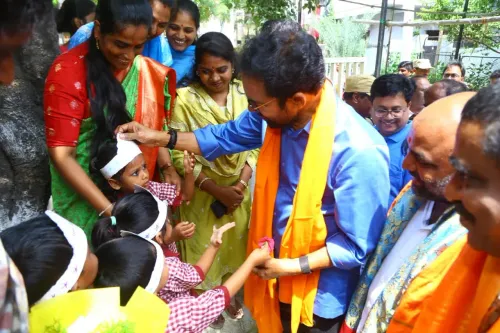
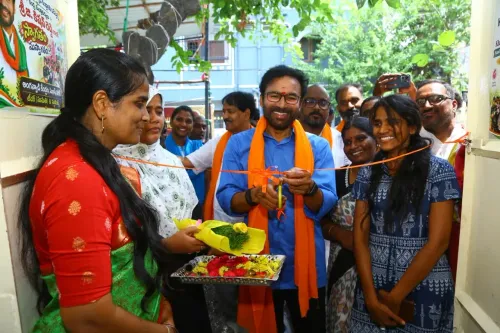
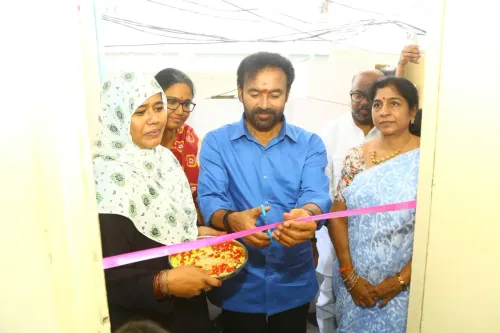
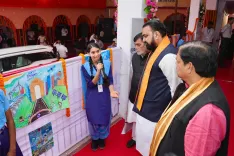
The minister interacted with Anganwadi workers, mothers and young children , enquiring about nutrition, healthcare and learning facilities.
Anganwadi centres operate under India's Integrated Child Development Services (ICDS) scheme, which has been running since 1975 .
Reddy holds the dual role of Union Coal and Mines Minister and BJP Telangana state president , giving the visit both parliamentary and political dimensions.
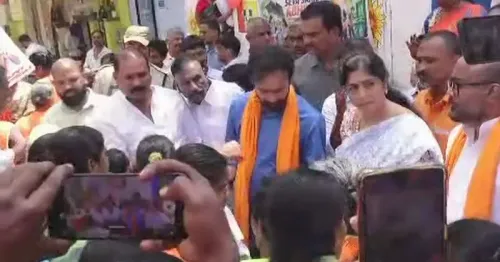
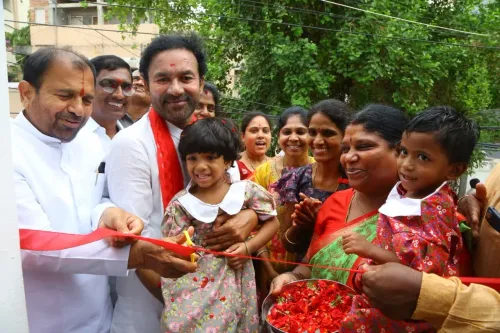
Sitting cross-legged with toddlers and quizzing mothers about nutrition gaps, Union Coal and Mines Minister G. Kishan Reddy spent Saturday, September 26, 2026 touring Anganwadi centres across the Secunderabad Parliamentary Constituency — a ground-level check-in on India's oldest child welfare network conducted under the Seva Sankalp Abhiyan's 'Aangan Milan Sewa' initiative.
What the minister saw on the ground
Reddy interacted directly with Anganwadi workers, mothers, and young children, asking specific questions about nutrition availability, healthcare access, early-learning materials, and the physical state of facilities. The visit was framed as a listening exercise — not a ribbon-cutting — with the minister sharing video glimpses of the interactions on social media under the hashtags #SevaSankalpAbhiyan and #AanganMilanSewa.
The 'Aangan Milan Sewa' label signals a structured outreach format within the broader Seva Sankalp Abhiyan, designed to bring elected representatives into direct contact with frontline welfare delivery points in their constituencies.
Five decades of Anganwadis — and why field visits still matter
India's Integrated Child Development Services (ICDS) scheme, launched in 1975, underpins every Anganwadi centre in the country. It remains the primary government channel for delivering supplementary nutrition, preschool education, immunisation referrals, and health check-ups to children under six and pregnant or lactating mothers. The network is vast, but delivery quality varies sharply between well-resourced urban centres and underfunded pockets — including semi-urban clusters within a constituency like Secunderabad.
Ministerial and MP-level visits serve a dual function: they surface on-ground complaints that don't travel up administrative chains, and they generate political accountability around a scheme that rarely makes prime-time headlines unless something goes wrong.
Secunderabad's constituency context
Reddy represents Secunderabad in the Lok Sabha, a constituency that spans both dense urban neighbourhoods and semi-urban stretches of Hyderabad, Telangana. He also serves as BJP Telangana state president, making these visits doubly weighted — part parliamentary duty, part organisational mobilisation ahead of future electoral cycles in a state where the party has been aggressively building its presence.
Anganwadi workers — overwhelmingly women, often poorly paid relative to their workload — are a visible, vocal constituency themselves, and direct ministerial attention to their needs carries its own political resonance.
The real test of Saturday's walkthrough will arrive in parliamentary corridors: whether the facility gaps Reddy heard about translate into budgetary questions, administrative follow-ups, or upgraded infrastructure for the centres he visited.
Point of View
Who wears two hats as a Union minister and Telangana BJP chief, these interactions serve a dual purpose: parliamentary due diligence on ICDS delivery, and ground-level relationship-building in a state the party is actively contesting. The sharper question is whether such visits generate durable administrative follow-through — upgraded facilities, worker training, better supply chains — or remain powerful optics without policy traction. Watching the next parliamentary session's questions on ICDS budgetary allocations will tell that story.
NationPress
26 Sept 2026
Frequently Asked Questions
What is the Aangan Milan Sewa initiative?
'Aangan Milan Sewa' is an outreach format under the Seva Sankalp Abhiyan that sends elected representatives to Anganwadi centres in their constituencies to directly interact with children, mothers and workers and assess welfare delivery on the ground.
What are Anganwadi centres and what services do they provide?
Anganwadi centres are community-level hubs run under India's Integrated Child Development Services (ICDS) scheme, launched in 1975 . They deliver supplementary nutrition, preschool education, immunisation referrals and health check-ups to children under six and pregnant or lactating mothers .
Which constituency does G. Kishan Reddy represent?
G. Kishan Reddy represents the Secunderabad Parliamentary Constituency in Telangana in the Lok Sabha. He also serves as BJP Telangana state president and is the Union Minister of Coal and Mines.
What is the Seva Sankalp Abhiyan?
The Seva Sankalp Abhiyan is a structured outreach campaign under which BJP elected representatives and ministers engage with government welfare delivery points — such as Anganwadi centres — in their constituencies to review services and interact with beneficiaries.
What did Kishan Reddy do during the Anganwadi visit in Secunderabad?
During the visit on September 26, 2026 , Reddy spent time with young children, interacted with mothers and Anganwadi workers, and enquired specifically about nutrition availability, healthcare access, learning needs and the physical facilities at the centres.