Kishan Reddy urges nation to tune into Mann Ki Baat 139
Synopsis
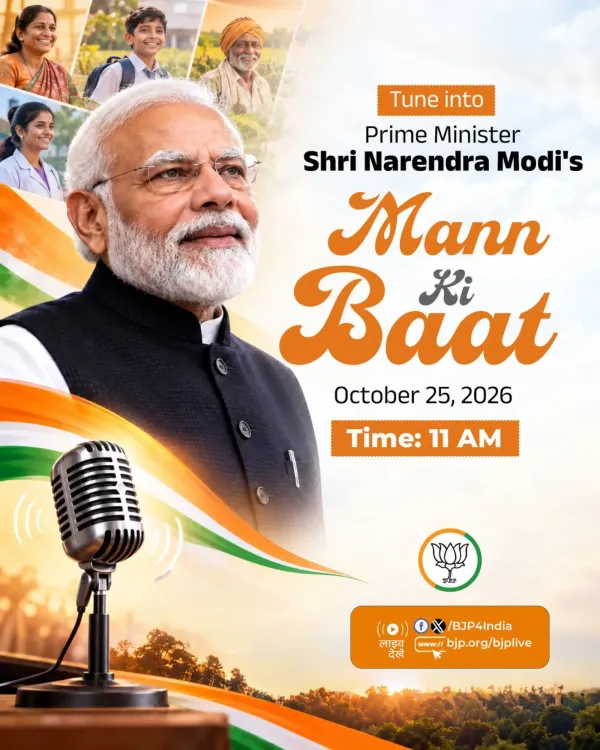
Union Coal and Mines Minister G. Kishan Reddy shared a live-stream link on X for PM Narendra Modi's 139th Mann Ki Baat, scheduled at 11:00 AM on 25 October 2026, urging citizens across India to tune in.
Key Takeaways
PM Narendra Modi addressed the nation in the 139th edition of Mann Ki Baat on 25 October 2026 at 11:00 AM IST .
Kishan Reddy promoted the broadcast on X, sharing a YouTube live-stream link ahead of the address.
Mann Ki Baat was launched on 3 October 2014 as a monthly radio address to enable direct communication between the PM and citizens.
The programme is broadcast on All India Radio and simultaneously streamed on digital platforms including YouTube.
Senior BJP ministers routinely amplify the broadcast on social media as part of the party's digital outreach strategy.
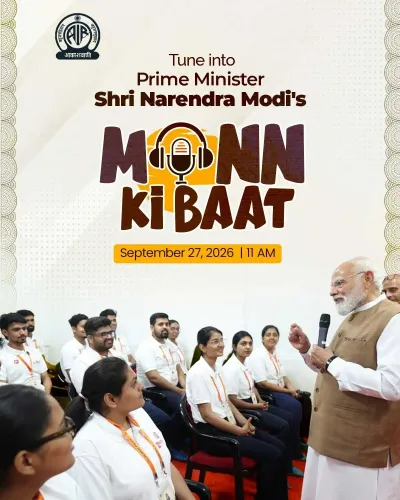
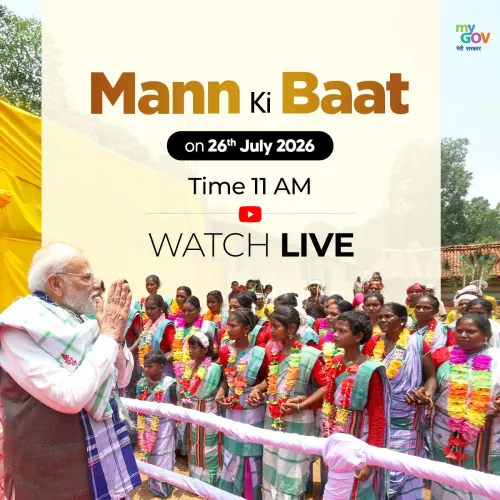
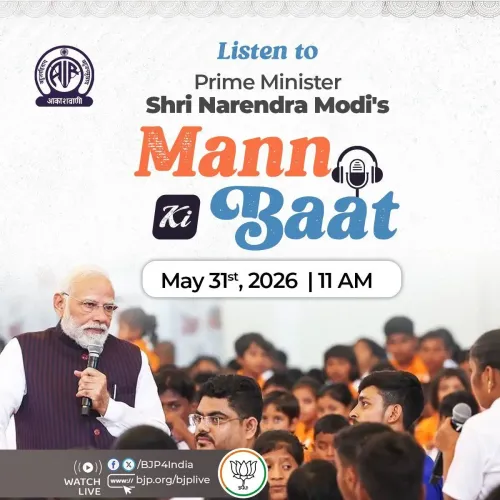
At 11:00 AM on Sunday, 25 October 2026, Prime Minister Narendra Modi takes to the airwaves for the 139th edition of Mann Ki Baat — and Union Coal and Mines Minister G. Kishan Reddy is making sure no one misses it, sharing a live-stream link and a direct call to listen in.
Kishan Reddy, who also serves as BJP's Telangana state president, posted the reminder on X ahead of the broadcast, writing: 'Tune in to the 139th edition of Mann Ki Baat, where Hon'ble Prime Minister Shri Narendra Modi ji will share his thoughts with the nation today, 25th October 2026.' The post directed followers to a YouTube live link for the address.
A programme twelve years in the making
Mann Ki Baat was launched on 3 October 2014 as a monthly radio address — PM Modi's direct line to the public, bypassing traditional media to speak on governance priorities, citizen achievements, and national schemes. What began as an experiment in direct communication has become one of the longest-running political broadcast formats in independent India.
Over more than a decade, the programme has touched on everything from water conservation and toy manufacturing to tributes to unsung local heroes. Each edition is broadcast on All India Radio and simulcast across digital platforms, giving it a reach that spans both rural and urban India.
Ministers as amplifiers: the digital relay strategy
Kishan Reddy's post is part of a well-established pattern within the BJP's communication machinery. Senior ministers routinely amplify Mann Ki Baat reminders on social media in the hours before each broadcast, functioning as digital relay nodes to widen the programme's audience beyond those who might already be tuned in to radio. For Reddy — a minister with a base in Telangana, a state where the BJP has been working to deepen its footprint — the amplification carries an added regional dimension.
The live-stream link shared in the post points to YouTube, reflecting how the programme has evolved from its radio-only origins into a multi-platform address that meets voters wherever they are — on transistor sets in villages or on smartphones in metros.
What Modi says in the 139th edition, and whether it carries any specific policy signal or citizen spotlight, will set the tone for the conversation that follows — online and off.
Point of View
And the machinery that amplifies it — cabinet ministers, state presidents, party functionaries — has become as institutionalised as the broadcast itself. Kishan Reddy's post from Telangana is a small but telling data point: in a state the BJP is working to consolidate, alignment with the PM's flagship communication platform signals both loyalty and outreach. At 139 editions and counting, the programme's longevity raises the question of what keeps it politically relevant — and the answer likely lies not in any single episode, but in the cumulative habit of listening it has built into the national calendar.
NationPress
25 Oct 2026
Frequently Asked Questions
What is Mann Ki Baat?
Mann Ki Baat is a monthly radio address by Prime Minister Narendra Modi, launched on 3 October 2014, in which he speaks directly to citizens on governance, national schemes, and citizen achievements. It is broadcast on All India Radio and streamed live on YouTube.
When is the 139th edition of Mann Ki Baat?
The 139th edition of Mann Ki Baat is on 25 October 2026, at 11:00 AM IST.
Where can I watch Mann Ki Baat live online?
Mann Ki Baat can be watched live on the Prime Minister's official YouTube channel, with the link circulated by ministers and the PMO on social media ahead of each broadcast.
Why did Kishan Reddy post about Mann Ki Baat?
As Union Coal and Mines Minister and BJP Telangana state president, G. Kishan Reddy shared the broadcast reminder as part of the BJP's routine social-media amplification strategy for Mann Ki Baat, aimed at widening the programme's reach across digital platforms.
How many editions of Mann Ki Baat have aired so far?
As of 25 October 2026, PM Modi is delivering the 139th edition of Mann Ki Baat, reflecting more than twelve years of uninterrupted monthly broadcasts since the programme launched in October 2014.