Kishan Reddy: Vande Mataram rings at Red Fort on 80th I-Day
Synopsis
On India's 80th Independence Day, Vande Mataram marked its 150th anniversary with a rendition at the Red Fort as PM Modi addressed the nation. Union Minister G. Kishan Reddy hailed it as a historic moment evoking patriotism and India's enduring national identity.
Key Takeaways
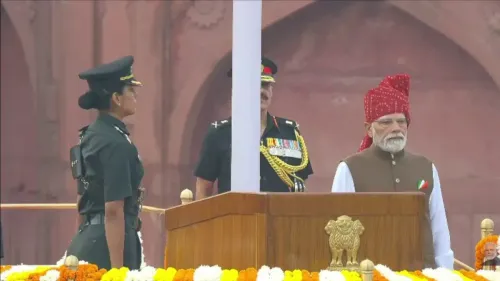
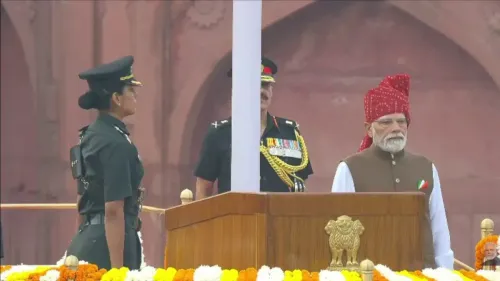
India's 80th Independence Day was celebrated on 15 August 2026 at the Red Fort, New Delhi , with PM Narendra Modi leading the programme.
Vande Mataram was performed at the ceremony, marking 150 years since its original composition by Bankim Chandra Chatterjee .
The National Song was formally adopted by India's Constituent Assembly in 1950 , alongside the national anthem Jana Gana Mana .
Kishan Reddy described the rendition as 'historic,' linking it to patriotism and India's national identity.
The Red Fort has served as the venue for the Prime Minister's Independence Day address since 1947 .
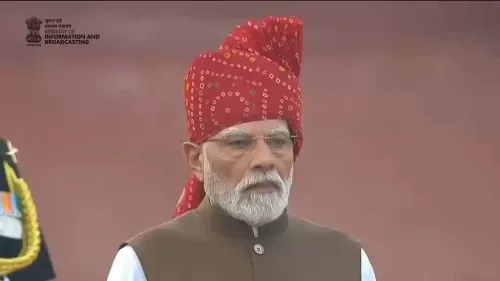
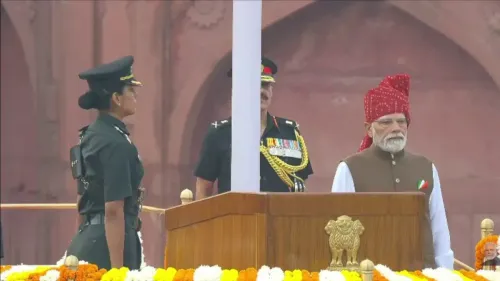
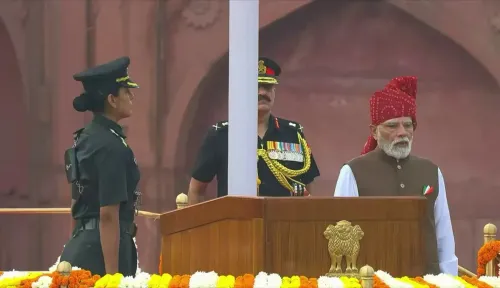
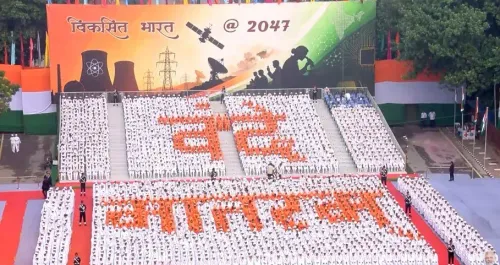
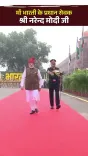
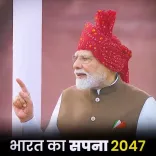
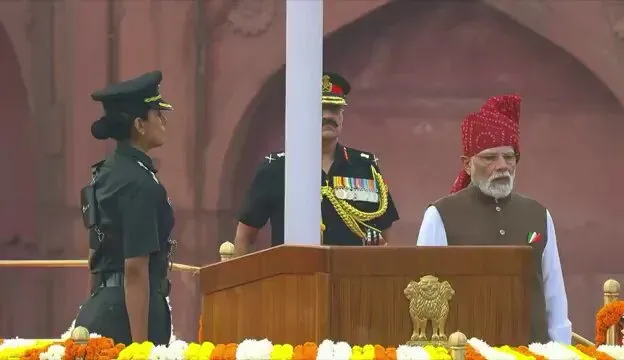
One hundred and fifty years after Bankim Chandra Chatterjee first put pen to paper, the opening strains of Vande Mataram rose over the ramparts of the Red Fort on 15 August 2026 — as Prime Minister Narendra Modi led the nation in marking India's 80th Independence Day.
A song 150 years in the making
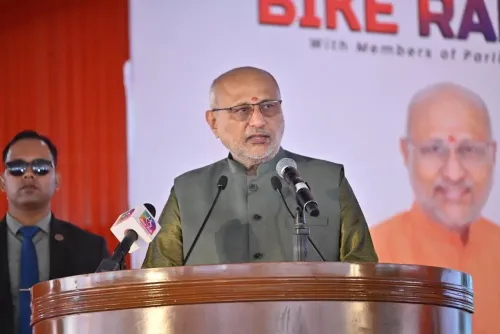
Union Coal and Mines Minister G. Kishan Reddy, who also serves as BJP Telangana state president, marked the moment on social media, calling it 'a historic rendition of our National Song, evoking the spirit of patriotism and our enduring national identity.' The timing is striking: Vande Mataram was composed in the late 19th century, formally adopted as India's National Song by the Constituent Assembly in 1950 alongside Jana Gana Mana, and has echoed through every major national commemoration since.
Red Fort, 79 Independence Days later
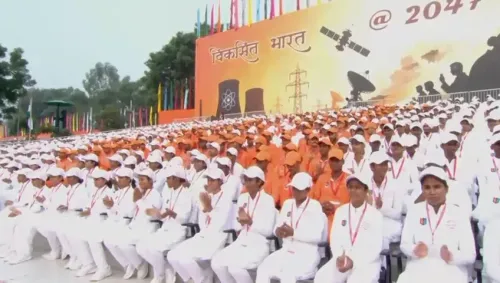
The Red Fort in New Delhi has served as the ceremonial stage for the Prime Minister's Independence Day address and flag-hoisting since 1947 — a Mughal-era monument repurposed as the annual altar of the republic. Successive governments have maintained the tradition of weaving national symbols — songs, salutes, cultural performances — into the 15 August programme, using the occasion to reinforce collective identity before a national audience.
The 80th milestone adds particular weight. Eight decades of independence, and the same song that once animated the freedom struggle now rings out from the same fort the British once garrisoned.
Why Vande Mataram still lands
Vande Mataram — 'I bow to thee, Mother' — carries a lineage that runs deeper than any single Independence Day. It was the rallying cry of the anti-colonial movement, banned at various points by colonial authorities precisely because of its mobilising power. That history is what Reddy's post gestures toward: not just a song performed, but a symbol that survived, and now stands at the centre of the republic's most watched annual ceremony.
At 80 years, India's Independence Day is as much a reckoning with continuity as it is a celebration. The fact that a 150-year-old composition still commands the Red Fort's main stage is, in itself, the story.
Point of View
A consistent theme in BJP-era statecraft. The choice to foreground a cultural symbol over policy or infrastructure — the usual Independence Day talking points — reflects a deliberate emphasis on identity politics in the run-up to any near-term electoral cycle. It is a reminder that for the BJP, Independence Day is as much a cultural battlefield as a patriotic occasion.
NationPress
15 Aug 2026
Frequently Asked Questions
Why is Vande Mataram called India's National Song?
Vande Mataram was adopted as India's National Song by the Constituent Assembly in 1950. Unlike the national anthem Jana Gana Mana, it does not have a mandatory protocol for standing, but holds equal official status as a symbol of the nation.
Who composed Vande Mataram and when?
Vande Mataram was composed by Bengali author and novelist Bankim Chandra Chatterjee in the late 19th century. It first appeared in his 1882 novel 'Anandamath' and became a rallying cry during India's independence movement.
What is the significance of the Red Fort on Independence Day?
The Red Fort in Old Delhi has been the venue for India's Independence Day flag-hoisting and the Prime Minister's national address every year since 1947. The Mughal-era monument is the symbolic centrepiece of the annual celebration.
What did G. Kishan Reddy say about Independence Day 2026?
Union Coal and Mines Minister G. Kishan Reddy posted on social media marking the performance of Vande Mataram at the Red Fort on India's 80th Independence Day, calling it 'a historic rendition' that evokes patriotism and India's enduring national identity, and noting it falls 150 years after the song's composition.
How many Independence Days has India celebrated?
India celebrated its 80th Independence Day on 15 August 2026, marking 80 years since independence from British rule on 15 August 1947.