Kishan Reddy Marks 150 Years of Vande Mataram
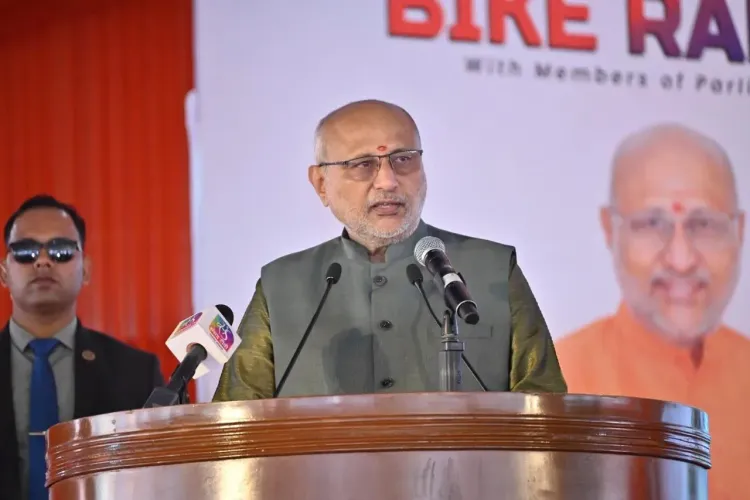
Synopsis
Union Coal and Mines Minister G. Kishan Reddy marked the 150th anniversary of Vande Mataram on 12 August 2026, honouring Bankim Chandra Chatterjee's 1875 composition as a timeless expression of national spirit that galvanised India's freedom movement and was adopted as the national song in 1950.
Key Takeaways
Kishan Reddy , Union Coal and Mines Minister and BJP Telangana president, posted a tribute marking 150 years of Vande Mataram on 12 August 2026 .
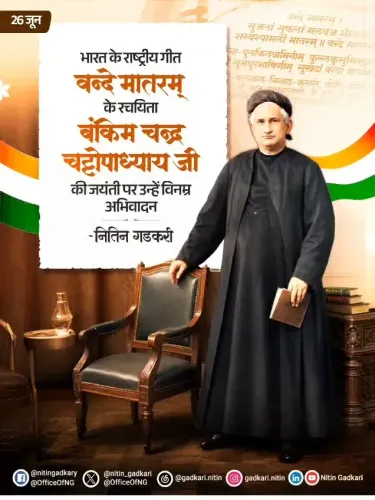
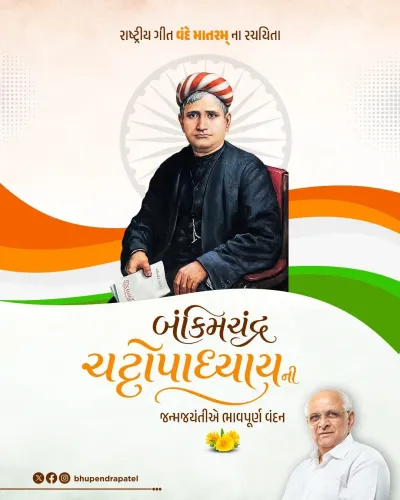
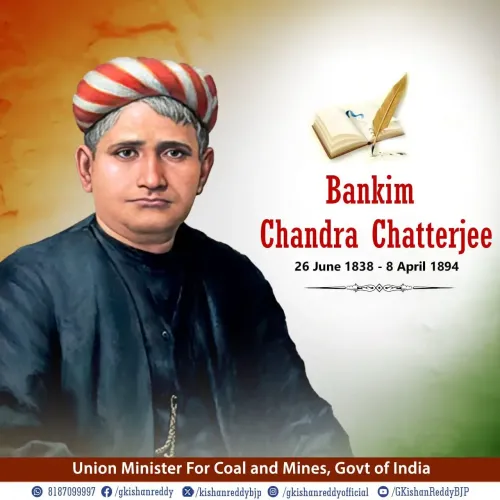
Vande Mataram was composed by Bankim Chandra Chatterjee and first published in 1875 , later featured in his 1882 novel Anandamath .
The song served as a powerful rallying cry during India's independence movement before gaining formal recognition.
The Constituent Assembly adopted Vande Mataram as India's national song in 1950 , alongside Jana Gana Mana as the national anthem.
Reddy described the song as continuing to 'evoke a deep sense of love and devotion for our motherland.'
A song born in 1875 still moves a nation — and Union Coal and Mines Minister G. Kishan Reddy wants India to pause and feel that weight. On Wednesday, 12 August 2026, the BJP leader marked the 150th anniversary of Vande Mataram, calling it 'a powerful expression of India's national spirit that inspired generations during the freedom struggle.'
From Bankim Chandra's pen to a nation's battle cry
Vande Mataram was composed by Bankim Chandra Chatterjee and first published in 1875, before finding its most resonant home in his 1882 novel Anandamath. What began as a literary composition became something far larger — a rallying cry that echoed across protest marches, prison cells, and public squares throughout the independence movement. The song's two opening words, meaning 'I bow to thee, Mother,' distilled the emotional core of anti-colonial resistance into a phrase that needed no translation for those who felt it.National song, enduring debate, unbroken reverence
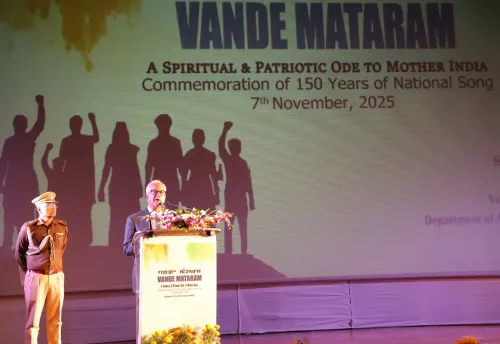
When the Constituent Assembly convened in 1950, it gave Vande Mataram the formal status of India's national song — a companion, not a rival, to the national anthem Jana Gana Mana. The distinction has occasionally sparked political debate over the decades, but the song's place in the cultural imagination has never seriously wavered. Reddy's post lands squarely in a long tradition of Indian political leaders invoking independence-era symbols to reinforce national identity — particularly around August, when the freedom struggle is most prominently remembered. His message underscores that the song's relevance is not merely historical: 'Its timeless message continues to evoke a deep sense of love and devotion for our motherland.' As India moves through 2026, the 150th year since Chatterjee first set those words to the page, official cultural programmes marking the milestone are expected to follow through the year. One hundred and fifty years on, two words still carry a nation's heartbeat.Point of View
Particularly in August. The 150th anniversary provides a numerically significant hook that elevates routine commemoration into a broader narrative about civilisational continuity. By emphasising the song's 'timeless' relevance rather than just its historical role, the framing subtly positions cultural heritage as active, living politics — not archived sentiment. Whether the government follows with formal state-level programmes through 2026 will indicate how much institutional weight the anniversary actually carries.
NationPress
26 Sept 2026
Frequently Asked Questions
What is the 150th anniversary of Vande Mataram?
2026 marks 150 years since Vande Mataram was first published by Bankim Chandra Chatterjee in 1875 , making it a significant cultural milestone in India's national calendar.
Who composed Vande Mataram?
Bankim Chandra Chatterjee , a 19th-century Bengali author, composed Vande Mataram. It was first published in 1875 and later appeared in his 1882 novel Anandamath .
What is the difference between India's national anthem and national song?
India's national anthem is Jana Gana Mana , while Vande Mataram holds the status of national song. Both were recognised by the Constituent Assembly in 1950 , but only the anthem carries mandatory protocol obligations.
Why is Vande Mataram important to India's freedom struggle?
Vande Mataram became a rallying cry during the independence movement, sung at protests and nationalist gatherings. Its opening words — meaning 'I bow to thee, Mother' — gave emotional expression to anti-colonial sentiment across India.
What did G. Kishan Reddy say about Vande Mataram?
On 12 August 2026 , Reddy described Vande Mataram as 'a powerful expression of India's national spirit' whose 'timeless message continues to evoke a deep sense of love and devotion for our motherland.'