KMC and Metro Railway Kolkata launch dengue eradication drive from Esplanade

Synopsis
Kolkata is taking its dengue fight beyond the usual seasonal response. With KMC and Metro Railway joining forces, the Esplanade-launched drive covers railway premises, metro stations, and abandoned land — backed by legal notices, on-the-spot fines, and a public-shaming enforcement twist. Officials say this one won't stop when the rains do.
Key Takeaways
KMC and Metro Railway Kolkata launched a joint anti-dengue drive on 29 August from Esplanade Metro Station .
The campaign runs through 3 September and covers all metro stations, railway premises, and car-shed areas.
Notices are being issued under Section 496 of the Municipal Corporation Act, 1994 for stagnant-water violations on abandoned land.
Fines of ₹200 to ₹400 will be imposed for littering or disposing of banned plastic; offenders may also be filmed and put on social media.
Minister Agnimitra Paul confirmed the drive will continue beyond the monsoon season and expand statewide with the Irrigation Department and PWD .
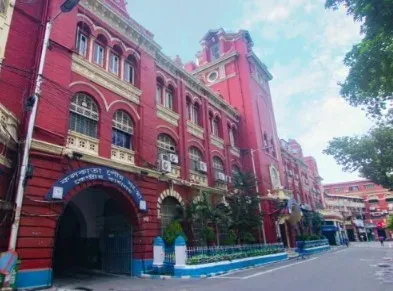
Kolkata Municipal Corporation (KMC) and Metro Railway Kolkata on 29 August jointly launched a special anti-dengue drive from the Esplanade Metro Station area, with officials confirming the campaign will run through 3 September. The initiative marks a coordinated push by two key civic bodies to contain the mosquito-borne disease ahead of the peak monsoon risk window.
Key Developments
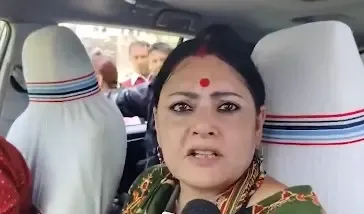
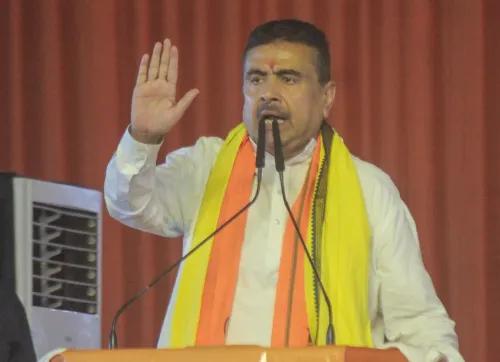
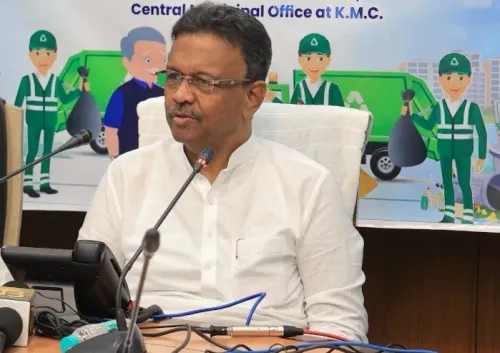
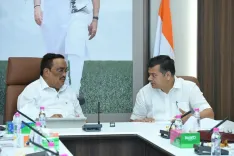
KMC Administrator Smita Pandey and Metro Railway Kolkata Principal Chief Medical Officer (PCMO) Rina Mukherjee are jointly leading the drive. West Bengal Municipal Affairs and Urban Development Minister Agnimitra Paul was present at the launch, underscoring the political priority given to the campaign.
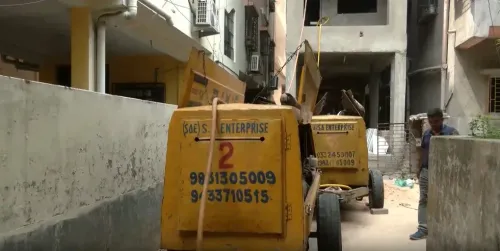
The drive covers all metro stations and their surrounding areas, as well as various stations and train car-shed zones under the South Eastern Railway. Notices under Section 496 of the Municipal Corporation Act, 1994 are being issued to owners of abandoned land or premises where stagnant water has accumulated or is likely to do so due to overgrown vegetation.
Penalties and Enforcement
Authorities will impose fines ranging from ₹200 to ₹400 for disposing of banned plastic or waste in public spaces. In cases of spitting or littering, offenders will not only be fined but will also be directed to clean the spot themselves — with the scene recorded on camera and uploaded to social media as a deterrent. The enforcement approach signals a shift toward public shaming alongside monetary penalties.
What the Government Said
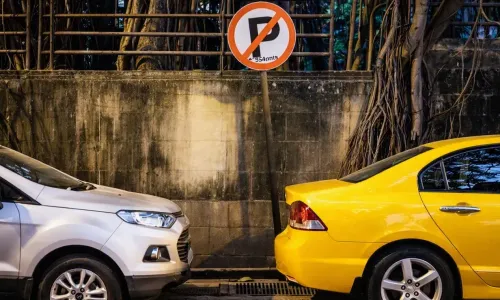
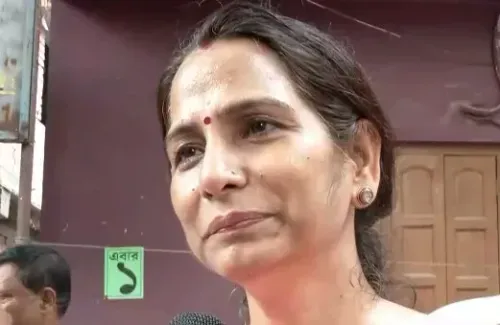
Minister Paul emphasised that civic responsibility is as critical as government action. 'Dengue cannot be eradicated if the common man is not aware. There should not be encroachment of footpaths. Traders should keep at least two-thirds of the space free for movement,' she said at the launch.
In a separate statement, Paul reiterated: 'This is not just a fight by the government alone, it has to be turned into a mass movement. Water should not be allowed to accumulate in houses or in tanks. Water tanks should be cleaned regularly.'
Scope and Long-Term Plans
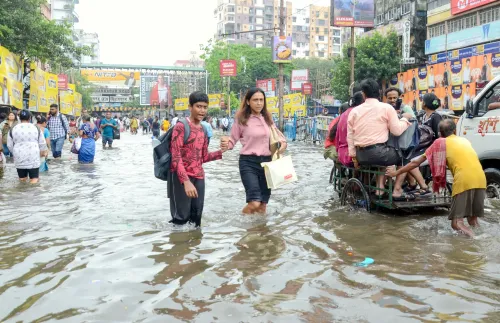
Officials stressed that the campaign is not a short-term monsoon measure. The drive is intended to continue beyond 3 September and will be scaled up across West Bengal in coordination with the Irrigation Department and the Public Works Department (PWD). This multi-department approach reflects a broader state-level strategy to address the structural causes of dengue breeding grounds — stagnant water, encroachments, and poor waste management — rather than treating outbreaks reactively.
With dengue cases historically spiking in Bengal between August and October, the timing of the drive aligns with the highest-risk period. Whether the campaign's momentum outlasts the monsoon season will be the real measure of its impact.
Point of View
But the structural causes — encroached footpaths, abandoned lots, poor drainage — are year-round failures. Folding Metro Railway and the South Eastern Railway into the enforcement net is a meaningful step, since railway land has historically been a blind spot for municipal health drives. The real test is whether the ₹200–₹400 fine regime and social-media shaming translate into sustained behavioural change, or whether the drive quietly winds down once the rains ease and the headlines move on. The involvement of the Irrigation and PWD departments hints at ambition beyond optics, but inter-departmental coordination in West Bengal has a mixed track record on delivery.
NationPress
13 Oct 2026
Frequently Asked Questions
What is the KMC and Metro Railway Kolkata dengue drive?
It is a joint anti-dengue campaign launched on 29 August by Kolkata Municipal Corporation and Metro Railway Kolkata, starting at Esplanade Metro Station and running through 3 September. The drive covers metro stations, railway premises, and adjacent areas, with legal notices, fines, and awareness measures to eliminate mosquito breeding grounds.
How long will the anti-dengue campaign in Kolkata last?
The campaign officially runs from 29 August to 3 September 2025, but officials have confirmed it will continue beyond that period. The drive is intended as a long-term initiative, not a seasonal response, and will be expanded statewide with other government departments.
What penalties are being imposed under the Kolkata dengue drive?
Authorities will levy fines of ₹200 to ₹400 for throwing banned plastic or waste in public spaces. Offenders caught spitting or littering may also be asked to clean the spot themselves, with the incident filmed and uploaded to social media.
Which areas and agencies are covered under the drive?
The drive covers all metro stations and surrounding areas in Kolkata, as well as stations and car-shed zones under the South Eastern Railway. Notices under Section 496 of the Municipal Corporation Act, 1994 are being sent to owners of abandoned land where water is accumulating.
Who is leading the Kolkata dengue eradication drive?
KMC Administrator Smita Pandey and Metro Railway Kolkata PCMO Rina Mukherjee are jointly leading the drive. West Bengal Minister Agnimitra Paul was present at the launch and has called for it to become a mass movement involving citizens, not just government agencies.