Karnataka Cabinet clears premature release of 28 life-term prisoners
Synopsis
The Karnataka Cabinet has cleared early freedom for 28 life-term prisoners — and potentially a 29th pending Centre's consent — after scrutinising 45 cases on conduct and time served. The same meeting also greenlit AI cameras and signal jammers for state prisons, signalling a twin approach: selective rehabilitation alongside tighter surveillance.
Key Takeaways
The Karnataka Cabinet , chaired by CM D.K.
Shivakumar , approved premature release of 28 life-term prisoners on 21 August .
45 cases were examined; 28 cleared outright, 1 more conditionally subject to Union Home Ministry consent.
The Cabinet's decision now goes to the Governor for final approval before releases can proceed.
The same Cabinet meeting approved AI-based cameras , portable signal jammers , and a Prisoner Calling System for Karnataka's prisons.
The modernisation drive is aimed at preventing unauthorised activities and strengthening security across central prisons in the state.
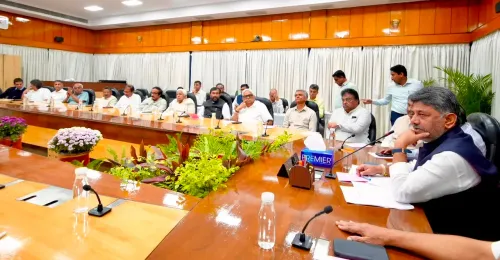
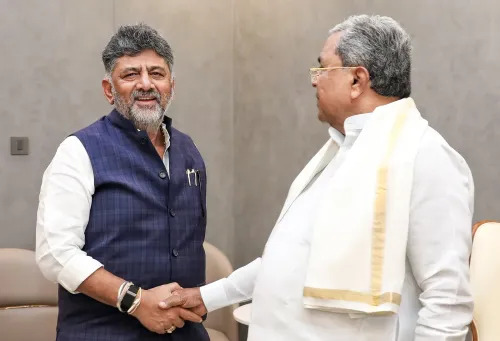
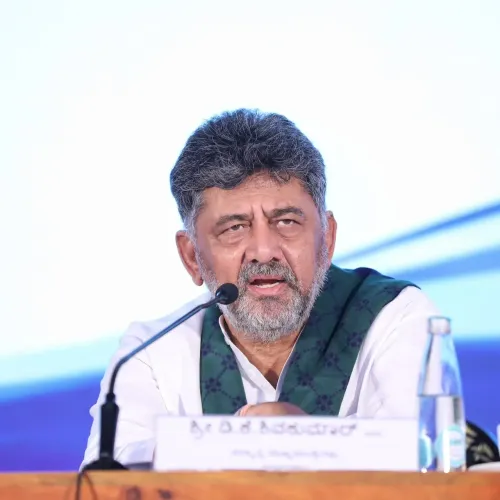
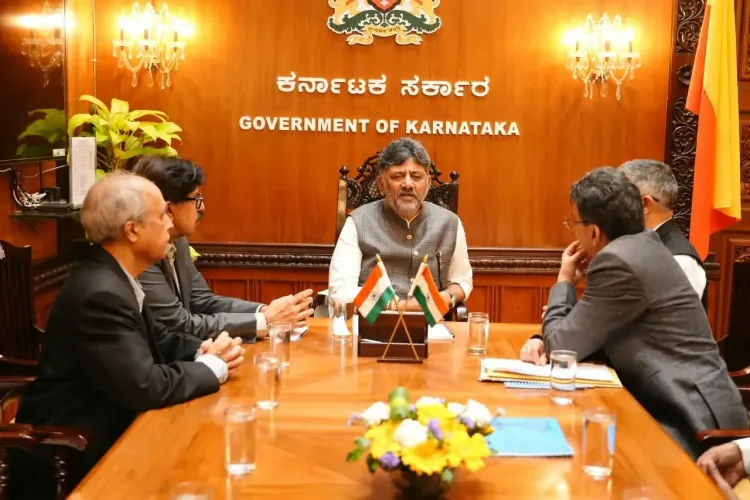
The Karnataka Cabinet on Friday, 21 August approved the premature release of 28 life-term prisoners lodged in central prisons across the state, citing good conduct and eligibility under prescribed government guidelines. The decision was taken at a Cabinet meeting chaired by Chief Minister D.K. Shivakumar.
How the Decision Was Reached
The Cabinet examined 45 cases of life-term prisoners from various central prisons across Karnataka. Based on criteria including each prisoner's conduct, period of incarceration, and other eligibility benchmarks, 28 were approved for early release. An additional one prisoner has been conditionally cleared, subject to the consent of the Union Ministry of Home Affairs, bringing the total eligible for premature release to 29.
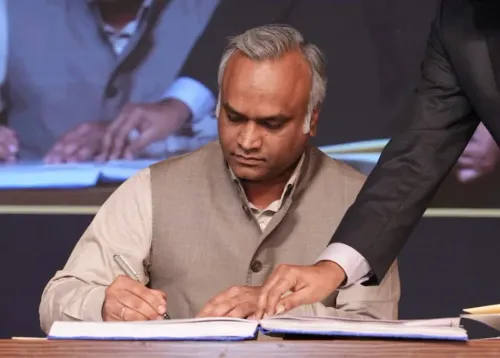
Home, Information Technology and Biotechnology and E-Governance Minister Priyank Kharge confirmed the decision, adding that the Cabinet's resolution will now be forwarded to the Governor for final approval before any releases are effected.
What the Government Said
'Given the changing challenges, it is necessary to adopt advanced technology in the Prisons Department as well. This step has been taken to strengthen security and surveillance further,' Kharge said, referring to a parallel decision taken at the same Cabinet meeting.
The Minister emphasised that all 45 cases were individually scrutinised against prescribed criteria — conduct and time already served being the primary benchmarks — before the Cabinet arrived at its final list.
Prison Modernisation Also Approved
In a separate but related decision, the Cabinet approved the procurement and installation of advanced technological equipment across Karnataka's prison network. The modernisation package includes Artificial Intelligence (AI)-based cameras, portable signal jammers, and a Prisoner Calling System, among other equipment.
The state government says the new infrastructure is aimed at preventing unauthorised activities, strengthening surveillance, and improving operational efficiency across prisons. The move is part of a broader push to bring technology-based monitoring into the day-to-day functioning of the Prisons Department.
What Happens Next
The Cabinet's premature-release order must clear one more hurdle — the Governor's approval — before the 28 (or 29, pending Centre's nod) prisoners can be freed. The timeline for the Governor's decision has not been specified. Meanwhile, the prison modernisation equipment procurement process is expected to be initiated following the Cabinet's green light.
This is not the first time a Karnataka government has used the premature-release mechanism; the practice of reviewing life-term prisoners on Republic Day, Independence Day, and other occasions is a standing provision under Indian prison law, though Cabinet-level scrutiny of a batch this size draws fresh attention to rehabilitation and recidivism debates.
Point of View
Legally scrutinised, and socially contested. The Karnataka government's decision to publicly announce the batch through a Cabinet minister, rather than quietly process it through the prison administration, suggests a deliberate signalling of its 'humane governance' posture. Yet the simultaneous approval of AI surveillance cameras and signal jammers tells a more complex story: the state is simultaneously liberalising and tightening its grip on the prison system. The real accountability question — what rehabilitation infrastructure exists for the 28 being released — went unaddressed in the official statement. Without recidivism tracking and reintegration support, early release risks becoming a headline without a safety net.
NationPress
22 Aug 2026
Frequently Asked Questions
Why did the Karnataka Cabinet approve the premature release of 28 prisoners?
The Cabinet approved early release on grounds of good conduct, period of incarceration, and other eligibility criteria prescribed under government guidelines. All 45 cases under consideration were individually scrutinised before 28 were cleared.
Is the release immediate?
No. The Cabinet's decision must first be sent to the Karnataka Governor for approval before any prisoner is released. A 29th case also requires consent from the Union Ministry of Home Affairs.
Who announced the Karnataka Cabinet's decision?
Home, Information Technology and Biotechnology and E-Governance Minister Priyank Kharge announced the decision after the Cabinet meeting chaired by Chief Minister D.K. Shivakumar on 21 August.
What prison modernisation measures did the Karnataka Cabinet approve?
The Cabinet approved the purchase and installation of AI-based cameras, portable signal jammers, and a Prisoner Calling System across central prisons in Karnataka, aimed at improving security, surveillance, and operational efficiency.
How many cases were reviewed and how many were rejected?
The Cabinet examined 45 cases of life-term prisoners. Of these, 28 were approved outright, 1 was conditionally approved pending Union Home Ministry consent, and the remaining cases did not meet the eligibility criteria.