Karnataka Cabinet clears Premises Regulation Bill, Sandhya Kiran health scheme
Synopsis
The Karnataka Cabinet cleared two consequential measures on 13 August: a first-of-its-kind bill to regulate private use of government premises, and the Sandhya Kiran scheme offering ₹5 lakh annual cashless health cover to nearly 4.93 lakh state pensioners and dependents under a contributory model — a structural shift in how Karnataka funds pensioner healthcare.
Key Takeaways
The Karnataka Cabinet on 13 August 2026 approved the Karnataka Regulation of Use of Government Premises and Public Property Bill, 2026 .
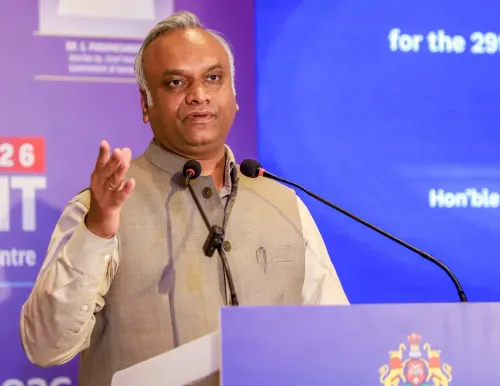
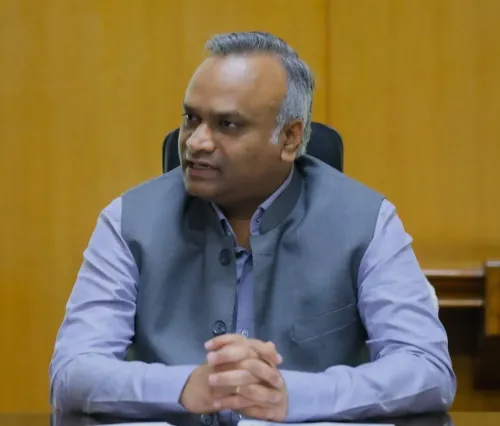
Home Minister Priyank Kharge clarified the Bill targets misuse of public assets and is not aimed at any specific institution or NGO.
The Sandhya Kiran cashless health scheme will cover approximately 4.93 lakh beneficiaries — pensioners below 70 years , family pensioners, and eligible dependents.
Eligible families receive up to ₹5 lakh per year in cashless secondary, tertiary, and emergency care on a family floater basis.
Service pensioners contribute 1.25% of basic pension; family pensioners contribute 0.75% ; the state bears 30% of treatment costs (₹24.53 crore annually).
The scheme will be administered by the Suvarna Arogya Suraksha Trust (SAST) under the AB‑ArK framework, with an automatic premium escalation clause if corpus utilisation exceeds 85% .
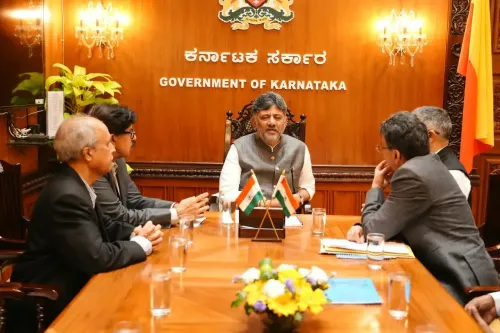
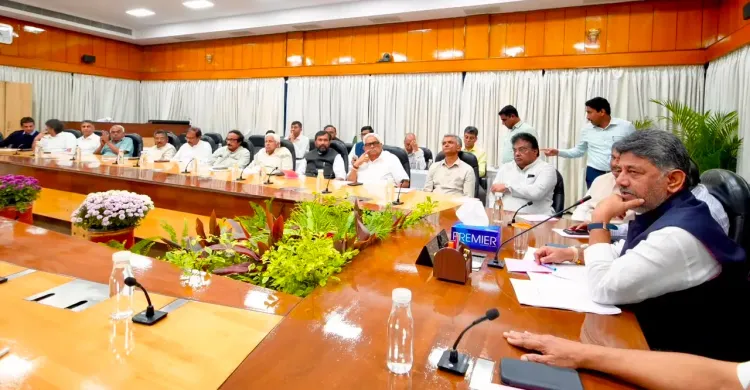
The Karnataka Cabinet on Thursday, 13 August 2026 cleared two significant measures — the Karnataka Regulation of Use of Government Premises and Public Property Bill, 2026, and the Sandhya Kiran contributory cashless healthcare scheme for state government pensioners — in a wide-ranging session held in Bengaluru. Together, the decisions signal the state government's push to tighten oversight of public assets while extending medical cover to nearly 4.93 lakh beneficiaries.
What the Premises Regulation Bill Proposes
The proposed legislation aims to create a legal framework governing the use of government lands, buildings, playgrounds, parks, roads, and other public assets by private individuals, organisations, associations, societies, and other entities. Home Minister Priyank Kharge said the Bill would safeguard and preserve government property and ensure its responsible utilisation for public benefit.
Kharge moved to quell speculation that the legislation was designed to target specific groups. 'Why is everyone thinking this is to curtail or curb any particular institution, association, organisation, society, club, union, syndicate or NGO? Beats me,' he said. The Bill explicitly covers prevention of misuse of public assets without singling out any category of user.
Sandhya Kiran: Coverage and Contribution Structure
The Sandhya Kiran scheme will offer cashless secondary, tertiary, and emergency medical treatment of up to ₹5 lakh per year on a family floater basis to state government pensioners below 70 years of age, family pensioners, and their eligible dependent family members. It will initially cover approximately 3.11 lakh state government pensioners, with total beneficiaries reaching around 4.93 lakh.
The scheme is formulated under the Ayushman Bharat‑Arogya Karnataka (AB‑ArK) framework, and treatment will be available at hospitals empanelled under the scheme using AB‑ArK benefit packages and revised package rates.
On the contribution side, service pensioners will pay 1.25 per cent of their basic pension, while family pensioners will contribute 0.75 per cent of their basic family pension. Of the estimated annual treatment expenditure of ₹81.75 crore, 70 per cent will be borne by beneficiaries — amounting to ₹57.22 crore — and 30 per cent, or ₹24.53 crore, by the state government.
Financial Sustainability Mechanisms
The scheme is projected to generate approximately ₹117 crore annually through premium contributions, against an estimated annual treatment cost of ₹81.75 crore. To protect long-term viability, the premium rate may be automatically raised by 0.05 percentage points if corpus utilisation exceeds 85 per cent.
Implementation will be handled by the Suvarna Arogya Suraksha Trust (SAST), which will manage beneficiary registration, premium collection, hospital administration, cashless treatment, and claim processing through the AB‑ArK system.
Broader Context
The twin approvals come as the Karnataka government faces pressure to both rationalise use of public resources and expand social protection for its ageing pensioner workforce. The Premises Regulation Bill, notably, is the first such comprehensive legislation in the state targeting misuse of public property by non-government entities. The Sandhya Kiran scheme, meanwhile, fills a gap left by existing health cover programmes that did not extend cashless tertiary care to pensioners under a contributory model. How effectively SAST administers claims at scale will determine whether the scheme delivers on its promise.
Point of View
A law that codifies 'responsible utilisation' gives the administration discretionary leverage it did not formally possess before. The Sandhya Kiran scheme is more straightforward in intent but harder in execution — contributory models for pensioners have a mixed track record in Indian states, often struggling with low corpus utilisation in early years followed by sharp cost spikes as the beneficiary pool ages. The 85% corpus trigger for automatic premium hikes is prudent design, but whether SAST has the administrative bandwidth to handle 4.93 lakh beneficiaries without claim delays is the real test Karnataka's health bureaucracy now faces.
NationPress
28 Sept 2026
Frequently Asked Questions
What is the Karnataka Regulation of Use of Government Premises and Public Property Bill, 2026?
It is a legislation approved by the Karnataka Cabinet on 13 August 2026 that creates a legal framework to regulate use of government lands, buildings, parks, roads, and other public assets by private individuals, organisations, associations, and other entities, with the aim of preventing misuse and ensuring public benefit.
Who is eligible for the Sandhya Kiran healthcare scheme?
State government pensioners below 70 years of age, family pensioners, and their eligible dependent family members are covered under the scheme. It will initially benefit approximately 3.11 lakh pensioners, with total beneficiaries reaching around 4.93 lakh.
What health cover does Sandhya Kiran provide?
The scheme provides cashless secondary, tertiary, and emergency medical treatment of up to ₹5 lakh per year on a family floater basis at hospitals empanelled under the AB‑ArK framework.
How much will pensioners contribute under Sandhya Kiran?
Service pensioners will contribute 1.25 per cent of their basic pension, while family pensioners will contribute 0.75 per cent of their basic family pension. The state government will bear 30 per cent of the annual treatment cost, estimated at ₹24.53 crore.
Who will implement the Sandhya Kiran scheme?
The Suvarna Arogya Suraksha Trust (SAST) will implement the scheme, handling beneficiary registration, premium collection, hospital administration, cashless treatment, and claim management through the Ayushman Bharat‑Arogya Karnataka (AB‑ArK) system.