SDPI slams Karnataka guarantee schemes over documentation burden, ₹32,000 pension cap
Synopsis
SDPI's Karnataka unit has turned the spotlight on an uncomfortable contradiction: the state government that brands itself pro-poor is reportedly considering raising the BPL income ceiling to ₹3 lakh, yet continues to cap social security pension eligibility at ₹32,000 — a figure that neighbouring states left behind years ago. The allegation cuts beyond party politics into a structural welfare-delivery failure.
Key Takeaways
SDPI Karnataka President Abdul Majeed on 5 August alleged that Karnataka's guarantee schemes have become inaccessible due to excessive documentation and restrictive income criteria.
The party criticised the ₹32,000 annual family income ceiling for social security pensions as 'unscientific and inhuman,' compared to ₹1 lakh in Kerala and up to ₹3 lakh in Telangana.
Gruha Jyothi beneficiaries are allegedly being forced to re-submit documents despite already being on government records.
Gruha Lakshmi payments are reportedly being released as bulk arrears rather than monthly, causing confusion among recipients.
The Shakti free bus travel scheme is under strain as the state has not increased the bus fleet to meet rising demand, allegedly forcing women into overcrowded buses.
SDPI demanded immediate abolition of the ₹32,000 pension cap and alignment with current cost-of-living standards followed by other states.
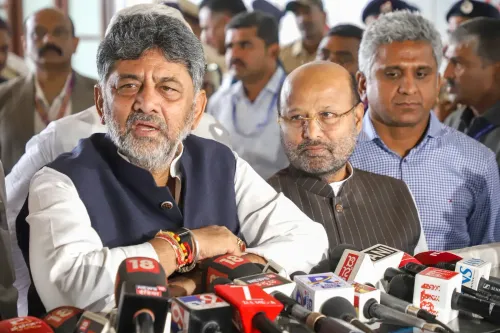
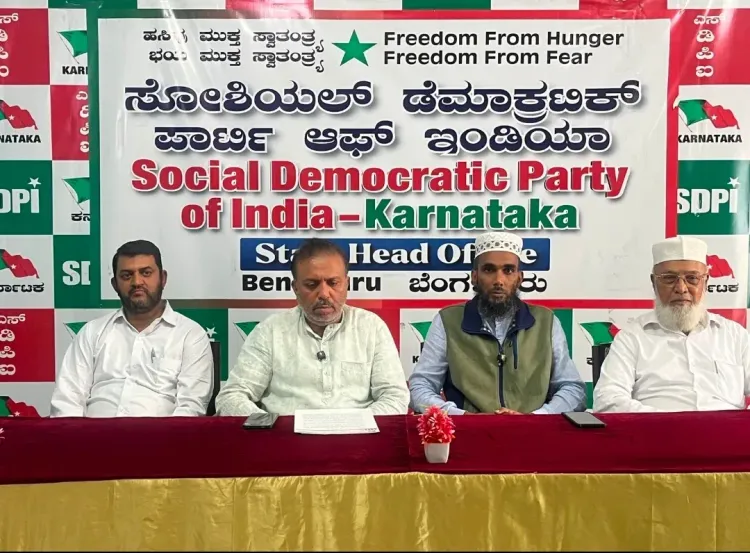
The Social Democratic Party of India (SDPI) on Wednesday, 5 August alleged that the Karnataka government's flagship guarantee schemes and social security pension programmes have become effectively inaccessible to their intended beneficiaries, citing excessive documentation demands and what the party described as an outdated income eligibility ceiling of ₹32,000 per year. The allegations were made at a press conference in Bengaluru by SDPI Karnataka President Abdul Majeed.
The Core Allegations
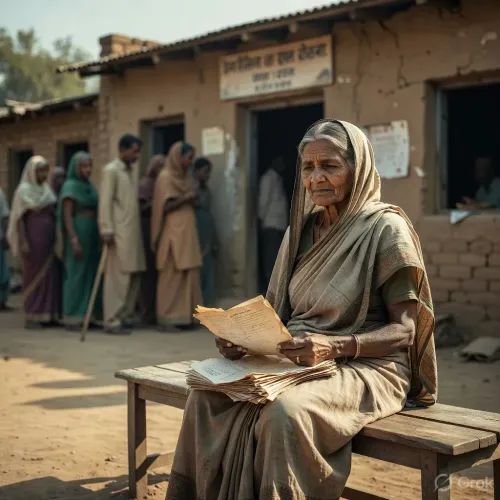
Majeed argued that schemes designed to reach vulnerable populations with ease and dignity had instead become weighed down by procedural hurdles. 'Guarantee schemes have turned into schemes without any guarantee. The government is indirectly excluding the poor, senior citizens, widows, persons with disabilities and other vulnerable sections from welfare programmes through unnecessary documentation and unscientific income limits,' he alleged.
He added that the Congress government's guarantee schemes had initially generated considerable public hope, but that administrative shortcomings and additional restrictions in implementation were now causing hardship to the very people the programmes were meant to serve.
Gruha Jyothi and Gruha Lakshmi Concerns
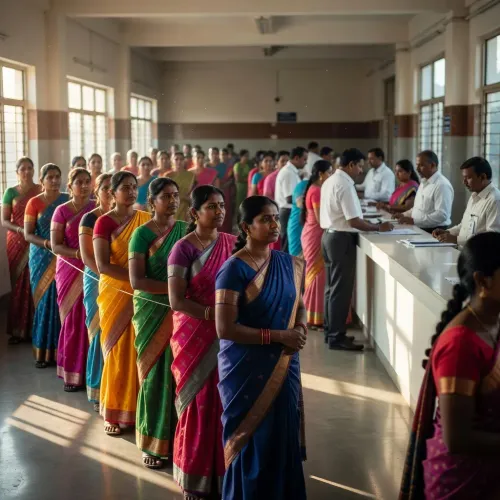
Criticising the Gruha Jyothi scheme — which provides subsidised electricity — Majeed alleged that directing already-identified beneficiaries to submit fresh applications and documents amounted to unnecessary harassment. 'Beneficiaries who have already been identified as eligible in government records are once again being forced to submit documents. This anti-people move raises doubts that the government's hidden intention is to reduce the number of beneficiaries,' he said.
On the Gruha Lakshmi scheme, which provides monthly financial assistance to women, Majeed claimed payments were not being credited regularly. He alleged that instead of monthly disbursals, the government was releasing arrears in bulk after several months, creating confusion among recipients about which month a given payment corresponded to. 'This reflects administrative failure,' he said.
Shakti Scheme and Bus Fleet Shortfall
Turning to the Shakti scheme, which entitles women to free bus travel across Karnataka, Majeed alleged that the state government had failed to expand the bus fleet in proportion to rising demand. 'While the government continues to publicise free travel for women, it has not increased the bus fleet. As a result, women are forced to travel in overcrowded buses every day, compromising their safety and convenience,' he said.
The ₹32,000 Pension Cap: A State-by-State Comparison
The sharpest criticism was reserved for the annual family income ceiling of ₹32,000 that determines eligibility for social security pension schemes covering senior citizens, widows, persons with disabilities, and destitute individuals. Majeed termed the limit 'unscientific, inhuman and irrational' given present-day economic conditions.
He drew a pointed contrast with other states: Kerala allows an annual family income of up to ₹1 lakh for social security pensions, while Telangana follows limits of ₹2 lakh for rural areas and ₹3 lakh for urban areas. Majeed also noted that the Karnataka government is reportedly considering raising the annual income limit for Below Poverty Line (BPL) cards to ₹3 lakh, while the pension eligibility ceiling remains unchanged at ₹32,000 — a discrepancy he described as unjust.
SDPI's Demands
The party issued a set of demands to the Karnataka government: immediately abolish the ₹32,000 annual income ceiling for social security pensions and align eligibility with current cost-of-living standards; continue welfare benefits for BPL cardholders without additional documentation; withdraw the re-registration requirement under Gruha Jyothi; ensure timely monthly disbursal under Gruha Lakshmi; deploy additional buses under the Shakti scheme; and guarantee uninterrupted pension distribution to all eligible vulnerable groups.
'The government should not merely claim to be pro-poor in its speeches. Welfare schemes must be implemented in a simple, transparent and people-friendly manner. SDPI will strongly oppose any attempt to deprive poor people of their rightful benefits by forcing them to run from one government office to another in the name of documentation,' Majeed warned.
Also present at the press conference were SDPI State General Secretary Afsar Kodlipete, State Secretary Riyaz Kadambu, Bengaluru North District President Javed Azam, and Bengaluru South District President Saleem Ahmed. The Karnataka government had not issued a formal response to the allegations at the time of reporting.
Point of View
000 annual income ceiling for social security pensions is not a new grievance — it has been flagged by welfare economists and civil society groups for years, yet successive Karnataka governments have left it untouched. What makes the SDPI's critique harder to dismiss is the internal contradiction it exposes: the same administration reportedly weighing a BPL card ceiling of ₹3 lakh has not moved on the pension threshold, effectively running two parallel poverty definitions. The Gruha Jyothi re-documentation requirement and the Gruha Lakshmi bulk-arrears pattern, if accurate, point to systemic implementation gaps rather than isolated errors — and those gaps tend to fall hardest on the least-organised beneficiaries: the elderly, widows, and persons with disabilities who lack the administrative capacity to navigate repeated paperwork cycles.
NationPress
20 Sept 2026
Frequently Asked Questions
What are SDPI's main allegations against Karnataka's guarantee schemes?
SDPI alleges that Karnataka's flagship guarantee schemes — including Gruha Jyothi, Gruha Lakshmi, and Shakti — have become inaccessible due to excessive documentation demands, irregular payment disbursals, and an outdated ₹32,000 annual income ceiling for social security pensions. The party says these barriers are effectively excluding the poor, elderly, widows, and persons with disabilities from welfare benefits.
Why is the ₹32,000 pension income limit controversial?
The ₹32,000 annual family income ceiling for social security pension eligibility in Karnataka is significantly lower than comparable thresholds in other states — Kerala allows up to ₹1 lakh and Telangana up to ₹3 lakh for urban areas. Critics, including SDPI, argue the figure is out of step with current living costs and deprives thousands of eligible individuals of welfare support.
What specific problems has SDPI flagged with the Gruha Jyothi and Gruha Lakshmi schemes?
Under Gruha Jyothi, SDPI alleges that beneficiaries already listed as eligible in government records are being asked to resubmit documents, which the party calls unnecessary harassment. For Gruha Lakshmi, the party claims the monthly financial assistance is not being credited regularly and is instead released as bulk arrears after several months, causing confusion over payment timelines.
What is the Shakti scheme and what does SDPI say is wrong with it?
The Shakti scheme provides free bus travel for women across Karnataka. SDPI alleges that while the government has continued to publicise the benefit, it has not expanded the bus fleet to match growing ridership, resulting in overcrowded buses that compromise women's safety and convenience.
What has SDPI demanded from the Karnataka government?
SDPI has demanded that Karnataka immediately scrap the ₹32,000 annual income cap for social security pensions, withdraw the re-registration requirement under Gruha Jyothi, ensure timely monthly Gruha Lakshmi payments, deploy additional buses under the Shakti scheme, and guarantee uninterrupted welfare benefits for BPL cardholders without additional documentation burdens.