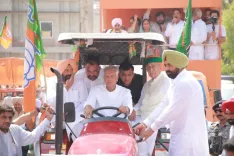
India's 'naaraz fufaji' moment: Modi coins a phrase, politics runs with it

Synopsis
A single colloquial phrase — 'naaraz fufaji' — has done what months of policy debate sometimes cannot: crystallise a political dynamic. Modi coined it, social media weaponised it, and the BRICS dinner gave it a fresh case study. Now it is being applied to Trump too, raising a genuinely interesting question: where does legitimate opposition end and reflexive contrarianism begin?
Key Takeaways
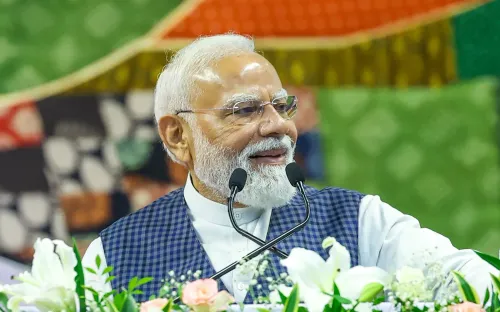
PM Narendra Modi introduced the 'naaraz fufaji' metaphor at the Shri Ram College of Commerce centenary event and repeated it in Vadodara at a ₹35,000 crore projects launch.
The phrase targets critics who reflexively oppose every government initiative, without naming specific individuals.
Rahul Gandhi criticised the vegetarian menu at the BRICS Summit dinner, noting that 80% of Indians are non-vegetarian — cited as a prime example of the 'fufaji' tendency.
Akhilesh Yadav argued that international events like BRICS cannot substitute for domestic governance accountability.
US President Donald Trump is framed as an 'international fufaji' for claiming credit in ending India-Pakistan hostilities after Operation Sindoor (May 2025) and calling India's economy 'dead' in July 2025 .
Analysts note the term cuts both ways — reflexive criticism is a democratic concern, but so is dismissing all opposition as mere sulking.
From the halls of New Delhi to the corridors of Washington, the naaraz fufaji — the perpetually disgruntled uncle of Indian family lore — has muscled its way into the nation's political vocabulary, and it shows no sign of leaving. Prime Minister Narendra Modi gave the familiar household character a sharp political edge in September 2026, and the phrase has since taken on a life of its own — online, in Opposition press briefings, and even in discussions about global leaders.
How the phrase entered political discourse
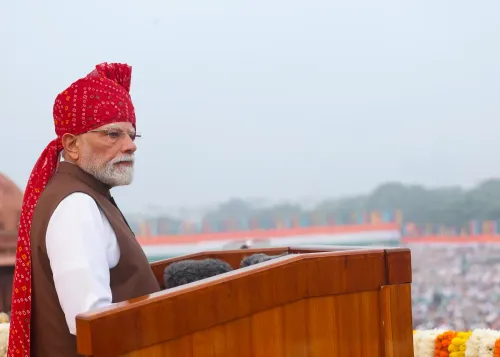
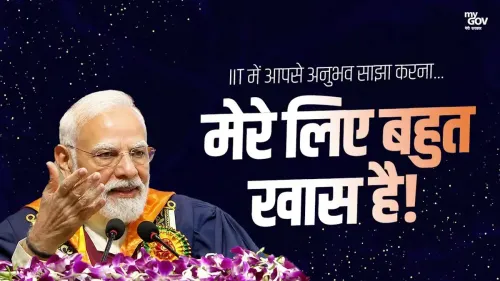
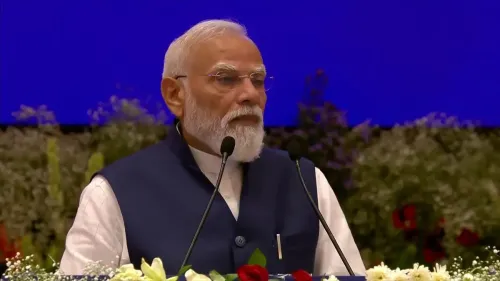
Modi first deployed the naaraz fufaji reference during his interaction with students at the centenary celebrations of Shri Ram College of Commerce, using it as a pointed metaphor for those who reflexively question every government initiative. He returned to the expression days later in Vadodara, while speaking at the launch of development projects worth more than ₹35,000 crore and marking the completion of the Dedicated Freight Corridor.
The Prime Minister used the freight corridor to contrast the pace of infrastructure delivery under his government with the Congress-led UPA era, noting that the project had been conceived earlier but moved sluggishly before 2014. He named no one. He did not need to. In politics, the archetype is often sharper than the accusation.
Social media did the rest. Within hours, memes, reels and videos proliferated, with Rahul Gandhi and the Congress party emerging as the most frequent recipients of the new political nickname.
The BRICS dinner that became exhibit A
The BRICS Summit hosted in New Delhi offered what commentators have called a near-textbook illustration of the phenomenon. After India organised a gala dinner for visiting heads of state featuring an elaborate vegetarian menu drawn from various regional cuisines, Gandhi responded not with a comment on the diplomacy but on the dietary composition of the spread — pointing out that 80 per cent of Indians are non-vegetarian and praising non-vegetarian food.
Akhilesh Yadav, leader of the Samajwadi Party, also weighed in, arguing that high-profile international events such as the BRICS Summit could not paper over domestic governance shortcomings or serve as a substitute for genuine democratic accountability. Whether that is fair political comment or reflexive dissent is, as analysts note, for voters to judge. What is notable, however, is the timing — critique aimed not at the policy content of the summit but at its optics and hospitality.
The international edition: Trump as a global fufaji
The naaraz fufaji archetype, it turns out, is not exclusively an Indian phenomenon. US President Donald Trump offered what observers described as an international variant during the tensions between India and Pakistan following Operation Sindoor in May 2025. Trump repeatedly claimed a central role in bringing the hostilities to an end and spoke of US-led mediation. India formally rejected the suggestion, maintaining that the cessation of firing was the outcome of direct military-to-military communication between the two countries.
In July 2025, Trump described India and Russia as having 'dead economies' — a characterisation India's government disputed. Notably, Gandhi endorsed the remark, stating that Trump was correct and attributing India's economic condition to the Modi government's policies. Critics argued that in doing so, the domestic opposition aligned itself with an external characterisation that India's own institutions had publicly rejected.
The double-edged nature of the fufaji label
Political analysts caution against reading the naaraz fufaji frame as a one-way mirror. Governments, they argue, need robust criticism, and opposition parties are constitutionally obligated to hold the executive to account. When every critique is dismissed as mere sulking, it risks insulating those in power from legitimate questions — exactly what a functioning democracy should not allow.
At the same time, when opposition commentary shifts from policy critique to optics-driven dissent — questioning a diplomatic dinner's menu rather than its strategic outcomes — it can blur the line between accountability and contrarianism. The fufaji label, once applied, is difficult to shake, precisely because it captures something recognisable: the critic who opposes reflexively rather than substantively.
The phrase, and the debate it has ignited, will likely outlast the news cycle that produced it. India's political family, it seems, will always have room for one more naaraz fufaji — and an equally lively argument about who actually fits the description.
Point of View
But it carries a risk for the government that deploys it: the phrase is so satisfying as a dismissal that it can become an excuse to avoid answering hard questions. Modi's original point — that reflexive, context-free opposition undermines public discourse — has real merit. But the moment governments apply it to every inconvenient critic, they hand themselves a rhetorical veto over accountability. The more durable irony is that Gandhi's BRICS dinner comment and his endorsement of Trump's 'dead economy' remark did more to cement the label than any counter-campaign could. In Indian politics, the most effective branding is often self-inflicted.
NationPress
20 Sept 2026
Frequently Asked Questions
What does 'naaraz fufaji' mean in Indian politics?
'Naaraz fufaji' literally translates to 'disgruntled uncle' in Hindi and refers to someone who reflexively finds fault with everything, regardless of merit. PM Modi popularised the phrase as a political metaphor for opposition leaders and critics who oppose every government initiative without substantive engagement.
Where and when did PM Modi use the 'naaraz fufaji' phrase?
Modi first used the phrase at the centenary celebrations of Shri Ram College of Commerce in New Delhi and repeated it in Vadodara during the launch of development projects worth more than ₹35,000 crore, including the completion of the Dedicated Freight Corridor.
Why is Rahul Gandhi associated with the 'naaraz fufaji' label?
Gandhi drew attention for criticising the vegetarian menu at the BRICS Summit dinner hosted by India, noting that 80% of Indians are non-vegetarian. He also endorsed US President Trump's characterisation of India as having a 'dead economy' — comments critics say exemplify reflexive dissent over substantive policy critique.
How does Donald Trump fit into the 'naaraz fufaji' narrative?
Trump is described as an 'international fufaji' for repeatedly claiming credit for ending India-Pakistan hostilities after Operation Sindoor in May 2025 — a claim India formally rejected — and for calling India's economy 'dead' in July 2025.
Is the 'naaraz fufaji' label fair to the opposition?
Commentators argue the label cuts both ways. Reflexive criticism that targets optics rather than policy does weaken the opposition's credibility. However, when governments dismiss all criticism as 'fufaji' behaviour, they risk shielding themselves from legitimate accountability — which is equally problematic in a democracy.