PM Modi shares Sanskrit shloka on diversity of thought
Synopsis
Prime Minister Narendra Modi on June 15, 2026, posted a classical Sanskrit verse on X affirming that every individual carries a different mind, every community holds distinct customs, and every voice is unique — underscoring India's civilizational celebration of pluralism.
Key Takeaways
PM Narendra Modi shared a Sanskrit shloka on X on June 15, 2026 , celebrating diversity of thought and expression.
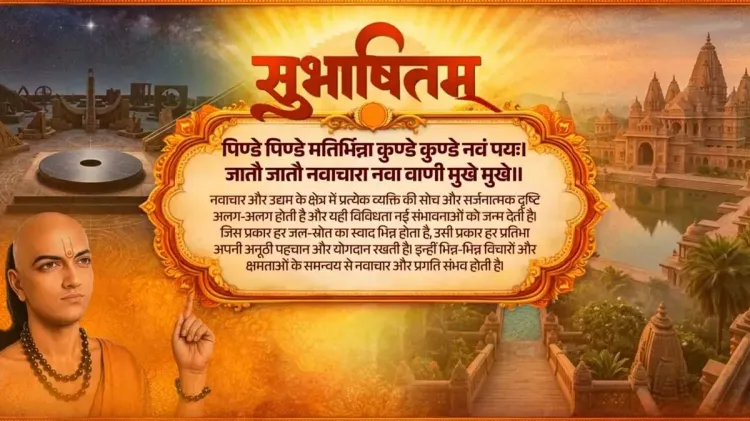
The verse translates to: 'Every individual has a different mind; every vessel holds fresh water; every community has new customs; every mouth carries a new voice.' The post is part of Modi's consistent practice of sharing classical Sanskrit and literary verses on social media to highlight India's civilizational heritage.
The Ek Bharat Shreshtha Bharat initiative, launched in 2015 , forms the broader policy backdrop for government efforts on cultural unity and diversity.
The shloka carries no direct policy announcement but reinforces the government's narrative of plurality as national strength.
Prime Minister Narendra Modi on Monday, June 15, 2026, shared a classical Sanskrit verse on X celebrating the natural diversity of human minds, customs, and expression across individuals and communities.
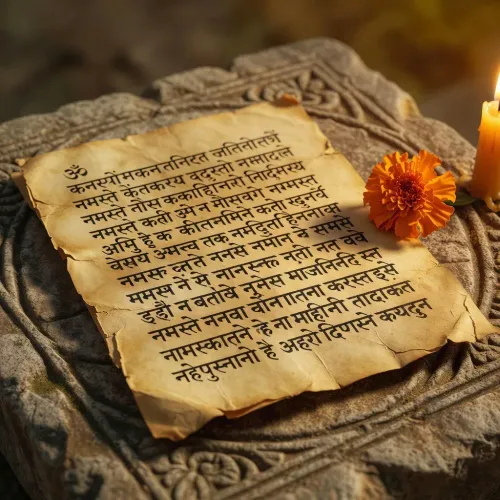
The shloka, rendered in Sanskrit, reads: 'Pinde pinde matir bhinna, kunde kunde navam payah / Jatau jatau navachara, nava vani mukhe mukhe' — meaning, 'Every individual has a different mind; every vessel holds fresh water; every community has new customs; every mouth carries a new voice.' The verse is a well-known Sanskrit aphorism celebrating the richness of pluralism in thought and expression.
Context
The verse Modi shared belongs to a body of classical Sanskrit literature that has long been cited to articulate the idea that difference — in intellect, custom, and speech — is inherent to human society rather than a source of division. By posting it on a Monday morning, the Prime Minister placed the reflection squarely in the public discourse at the start of a working week.
This is consistent with Modi's established practice on X of periodically sharing Sanskrit shlokas, Urdu couplets, and verses from regional literary traditions to invoke India's civilizational depth and frame conversations around identity, unity, and heritage.
Policy Backdrop
The post sits within the broader cultural policy ecosystem anchored by the Ek Bharat Shreshtha Bharat initiative, launched in 2015, which seeks to foster appreciation of India's regional diversity and promote inter-state cultural exchange. While this particular post carries no direct policy announcement, it reinforces the government's long-standing narrative that India's plurality is a civilizational strength rather than a fault line.
Efforts to integrate classical knowledge systems — including Sanskrit — into national education and public discourse have been a recurring theme under the current administration, reflected in curriculum reforms and the promotion of Sanskrit Diwas as a national observance.
Stakeholders and Impact
The verse speaks directly to Indian citizens across linguistic and regional communities, affirming that diversity of thought and custom is not merely tolerated but celebrated within the country's philosophical tradition. For scholars and educators in classical languages, such high-profile posts lend visibility to Sanskrit literature beyond academic circles.
Cultural organisations and institutions working on heritage education are likely to amplify the post, while the message carries resonance for communities that often see their distinct customs and dialects acknowledged at the highest level of governance.
What's Next
Similar posts from the Prime Minister's handle have historically appeared around occasions such as Sanskrit Diwas and national integration events, suggesting this may be part of a broader cultural communications calendar. Parliamentary discussions on heritage education and classical language promotion could draw on such public framings in the weeks ahead.
As India's diverse communities continue to navigate questions of identity and national belonging, the Prime Minister's choice to anchor public communication in pluralist classical thought signals a continued emphasis on civilizational narratives as a unifying political and cultural idiom.
Point of View
Which celebrates difference at the level of the individual, the community, and the spoken word, is especially pointed in a political climate where questions of linguistic and cultural identity remain live. Over time, these posts collectively construct a soft-power narrative: that the BJP-led government is the custodian of India's deepest traditions of inclusive thought.
NationPress
13 Sept 2026
Frequently Asked Questions
What Sanskrit shloka did PM Modi post on June 15 2026?
PM Modi posted the shloka 'Pinde pinde matir bhinna, kunde kunde navam payah / Jatau jatau navachara, nava vani mukhe mukhe,' which means every individual has a different mind, every vessel holds fresh water, every community has new customs, and every mouth carries a new voice.
What is the meaning of the Sanskrit verse Modi shared?
The verse celebrates human diversity, saying that just as different containers hold different water, every person thinks differently, every community has its own customs, and every individual has a unique voice.
Why does PM Modi share Sanskrit shlokas on X?
Modi regularly shares Sanskrit verses, Urdu couplets, and regional literary quotes on X as part of a broader practice of invoking India's civilizational heritage to frame public discourse on identity, unity, and governance.
What is Ek Bharat Shreshtha Bharat?
Ek Bharat Shreshtha Bharat is a government initiative launched in 2015 to promote cultural unity and appreciation of India's regional diversity through inter-state exchanges and cultural programmes.
When is Sanskrit Diwas celebrated in India?
Sanskrit Diwas, also known as Sanskrit Day, is observed on the full moon day of the Hindu month of Shravana, typically falling in August, to promote awareness and use of the Sanskrit language.