Modi slams Congress 'politics of dependency', cites defeats in Himachal, Haryana
Synopsis
Speaking in Surat, PM Modi accused Congress of spending 12 years exploiting instability for political gain — and said voters from Himachal Pradesh to Haryana to Punjab were delivering a verdict against it. The speech signals the BJP is sharpening its national narrative well ahead of the next electoral cycle, using local body results as building blocks for a broader anti-Congress case.
Key Takeaways
PM Narendra Modi addressed a public gathering in Surat on 5 June , attacking Congress over what he called a ‘politics of dependency’ .
Modi alleged Congress had spent 12 years creating political opportunities through uncertainty and disorder.
He cited Congress defeats in Himachal Pradesh local body elections, Haryana municipal polls, and political setbacks in Punjab .
Modi described Congress as having been pushed ‘to the margins’ in Gujarat over two-and-a-half decades of BJP dominance.
The Prime Minister framed electoral mandates as a call to expand public service, contrasting BJP’s governance record with Congress’s alleged misgovernance.
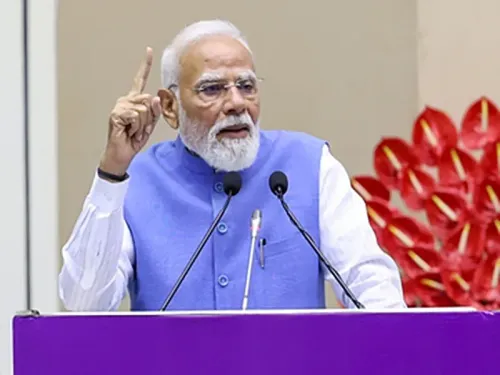
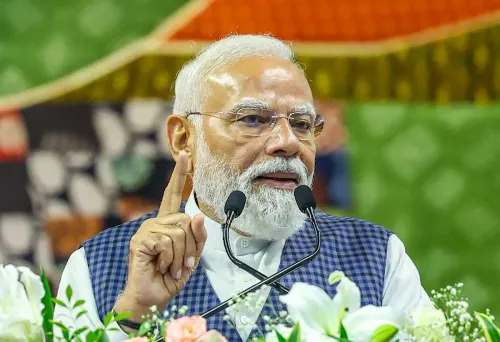
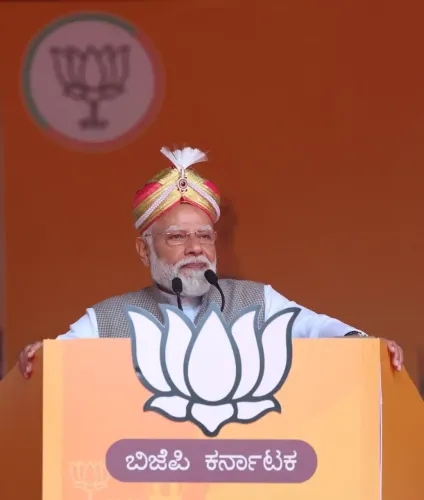
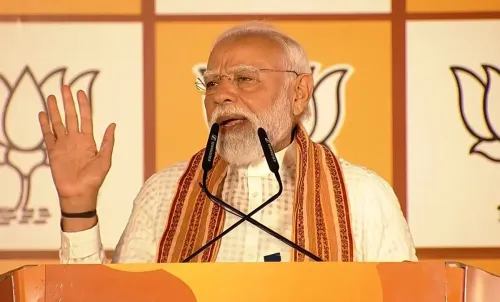
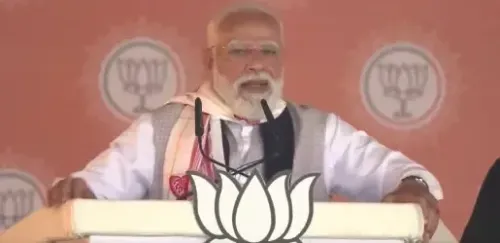
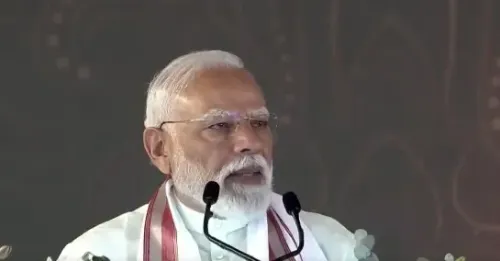
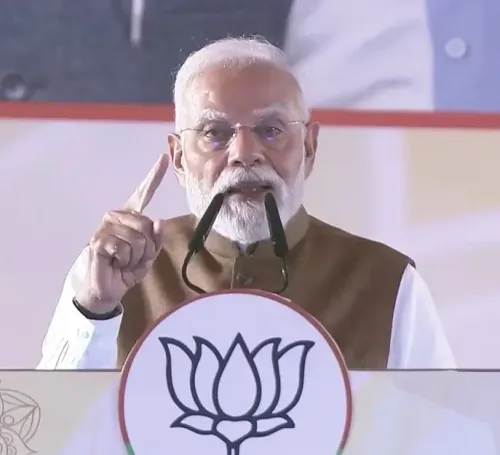
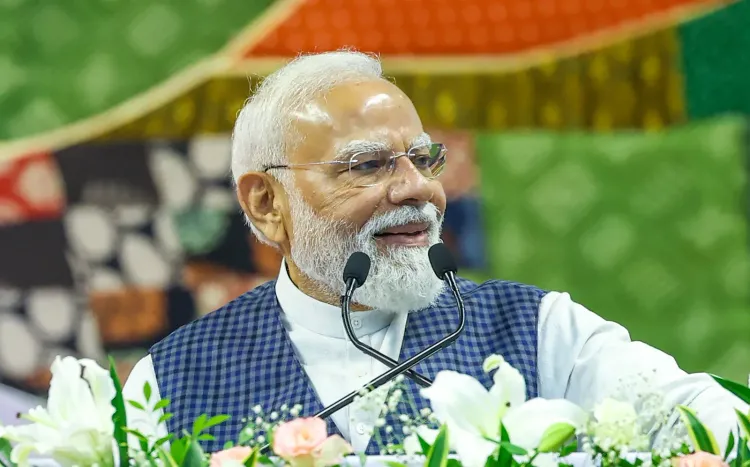
Prime Minister Narendra Modi on Friday, 5 June launched a pointed political offensive against the Indian National Congress at a public gathering in Surat, accusing the opposition party of spending 12 years manufacturing instability to engineer electoral gains — a strategy he said voters were decisively rejecting across the country.
The Core Charge
Modi alleged that Congress had persistently attempted to capitalise on uncertainty and disorder rather than offer constructive governance. “For the last 12 years, Congress has been trying to create opportunities for itself by spreading uncertainty and disorder. But the people of the country are repeatedly giving it a firm response,” he said, addressing the Surat gathering.
The Prime Minister framed this as Congress pursuing what he termed a ‘politics of dependency’ — a style of politics he argued was being repudiated at every level of electoral contest, from national polls down to municipal bodies.
State-Level Defeats Cited as Evidence
Modi pointed to a series of recent electoral outcomes as proof of Congress’s declining public standing. He specifically highlighted Himachal Pradesh, where Congress currently leads the state government, claiming the party had suffered a “severe defeat” in local body elections. “The people of Himachal rejected Congress’s misgovernance,” he said.
He also cited Haryana’s municipal election results and political developments in Punjab as further signals of voter disenchantment. “Before that, Congress was defeated in Haryana’s municipal elections, and the people of Punjab also delivered a clear message to Congress,” Modi said.
Notably, this is not the first time Modi has used state and local body results to build a national narrative against the Congress — a rhetorical pattern that has been a consistent feature of Bharatiya Janata Party (BJP) political communication since 2014.
Gujarat as a Political Benchmark
Modi used Gujarat — the state in which he was speaking — as a centrepiece of his argument. He described the BJP’s record victories in recent local body elections there as a reflection of public endorsement of the party’s ‘spirit of service’, which he said Gujarat voters had backed consistently over the past two-and-a-half decades.
He characterised Congress as having been pushed “to the margins” in the state, arguing that Gujarat had led the way in reducing the party’s political influence — a trend he suggested was now spreading nationally.
BJP's Framing: Development Over Disruption
The Prime Minister drew a sharp contrast between what he described as Congress’s ‘chaos politics’ and the BJP’s stated focus on governance and infrastructure. He argued that electoral mandates carry responsibility, and should be treated as an opportunity to deepen public service rather than as a political prize.
“The message is that Congress’s politics of dependency will not work. Its politics of seeking opportunity in chaos will not work,” he said, adding that the ultimate goal remained building a developed Gujarat and a developed India through sustained governance.
What Comes Next
The Surat address comes ahead of a politically active calendar, with several state assembly elections on the horizon. Congress has not yet formally responded to Modi’s remarks. The BJP’s sustained use of local body results to frame a national anti-Congress narrative signals an early sharpening of the party’s messaging strategy for the cycle ahead.
Point of View
But its effectiveness depends on whether assembly election outcomes follow suit.
NationPress
21 Oct 2026
Frequently Asked Questions
What did PM Modi say about Congress in Surat?
PM Modi accused Congress of spending 12 years spreading uncertainty and disorder to create political opportunities, calling it a ‘politics of dependency’. He made the remarks at a public gathering in Surat on 5 June, citing recent electoral defeats for the party across multiple states.
Which states did Modi cite as examples of Congress losing ground?
Modi specifically cited Himachal Pradesh, where Congress leads the state government but reportedly suffered a defeat in local body elections, as well as Haryana’s municipal elections and political developments in Punjab as evidence of growing voter rejection of Congress.
What is the 'politics of dependency' that Modi referred to?
Modi used the phrase to characterise what he described as Congress’s approach of exploiting instability and public dependency rather than delivering governance. He contrasted it with the BJP’s stated focus on development and public service.
How did Modi describe the BJP’s record in Gujarat?
Modi said Gujarat voters had backed the BJP’s ‘spirit of service’ for over two-and-a-half decades and had recently delivered record victories in local body elections, describing Congress as having been pushed to the margins in the state.
What is the broader political significance of Modi’s Surat speech?
The address signals an early sharpening of the BJP’s national messaging strategy, using local and municipal election results to build a cumulative case against Congress ahead of upcoming state assembly elections. Congress had not formally responded to the remarks at the time of reporting.