PM Modi: Karnataka public anger forcing Congress to change CM
Synopsis
At a Surat rally, PM Modi publicly declared that popular anger against the Congress government in Karnataka is driving internal pressure to replace the chief minister — a pointed intervention in state politics that doubles as a national campaign signal ahead of upcoming electoral cycles.
Key Takeaways
PM Modi said on 5 June that public anger against the Congress government in Karnataka is forcing the party to consider a chief minister change.
Modi cited adverse local body poll results for Congress in Himachal Pradesh , Haryana , and Punjab as further evidence of voter discontent.
He inaugurated and laid foundation stones for projects worth ₹18,800 crore in Surat , including the Vadodara-Mumbai Expressway and a new ESIC hospital .
Modi reviewed industrial operations at Hazira during his Gujarat visit.
He argued India had entered a phase defined by ambition and confidence, contrasting it with what he described as the opposition's politics of negativity.
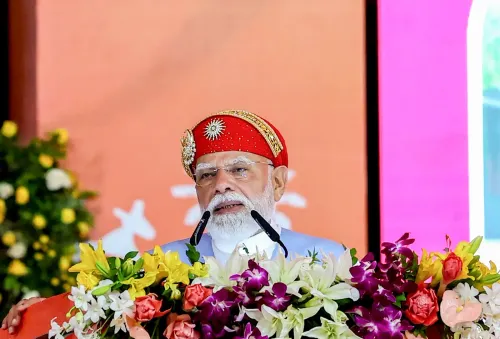
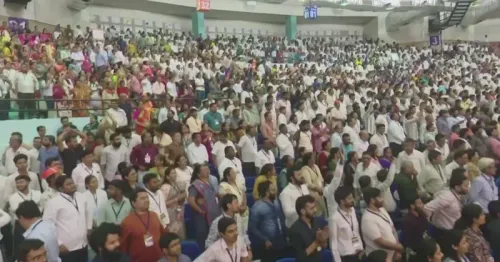
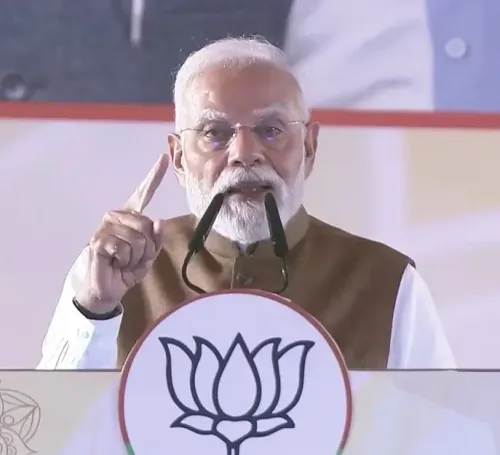
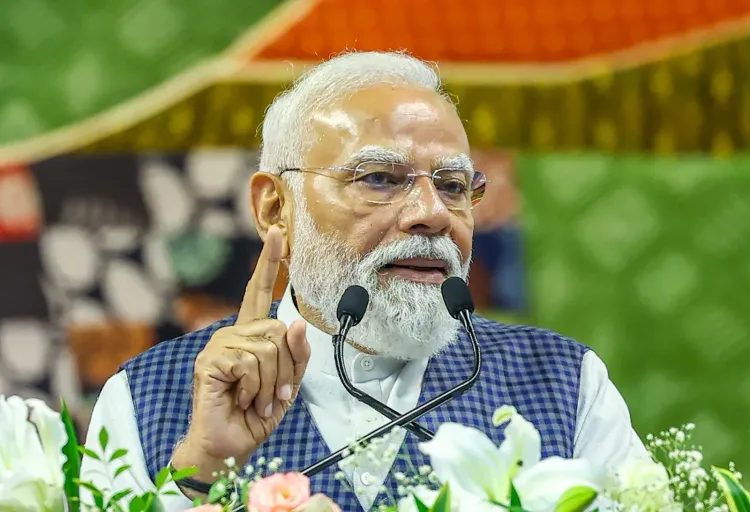
Prime Minister Narendra Modi on Friday, 5 June said that mounting public discontent with the Congress government in Karnataka was compelling the party to consider a change in the state's chief ministership. Modi made the remarks while addressing a public meeting in Surat, Gujarat, where he criticised the Congress party's governance record across opposition-ruled states.
What Modi Said on Karnataka
'There is also considerable anger among the people of Karnataka regarding the Congress government. That is why Congress is being compelled to change its Chief Minister there,' Modi said at the Surat rally. The remarks come amid reported internal discussions within the state Congress unit over leadership, though no formal announcement has been made.
Local Body Polls and Opposition States
Modi also cited recent local body election outcomes in Himachal Pradesh, Haryana, and Punjab, arguing that voters in those states had delivered adverse verdicts against the Congress. He framed these results as evidence of a broader national trend favouring stability and development-oriented governance over what he characterised as 'anarchy, uncertainty, and pessimism.'
'The country does not like anarchy, uncertainty, and pessimism. India's political landscape was being shaped by public aspirations for development and economic progress,' he said.
₹18,800 Crore Projects in Surat
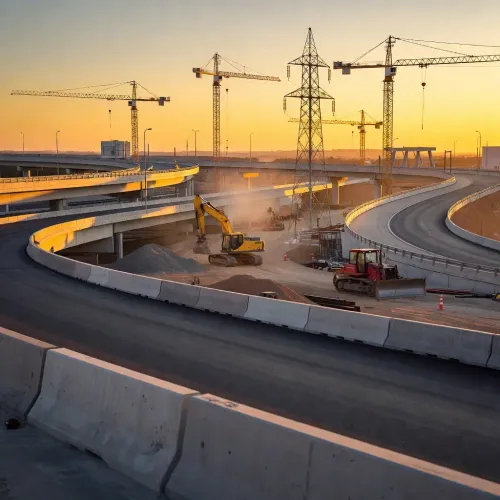
Earlier in the day, Modi inaugurated and laid foundation stones for projects worth ₹18,800 crore in Surat and reviewed industrial operations at Hazira. The projects include the Vadodara-Mumbai Expressway, connectivity initiatives in tribal districts, and a new ESIC hospital, among other healthcare and infrastructure investments.
Modi's Closing Message
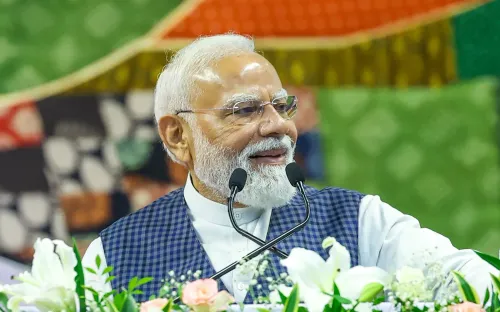
'India has moved far beyond negativity. The citizens of India are full of dreams, full of resolve, and committed to transforming that resolve into achievement,' Modi said towards the conclusion of his address. He argued that public aspirations for infrastructure, employment, and services were increasingly becoming the driving force behind national progress, and that coordinated effort between governments and citizens was essential to achieving development goals.
Point of View
Haryana, and Punjab suggests the BJP is building a composite anti-Congress storyline for the next electoral cycle. Notably, Modi chose a business-heavy Gujarat city as the platform, signalling that the development-versus-governance contrast is being pitched directly to urban and semi-urban voters who care about economic outcomes. Whether Karnataka's leadership churn actually materialises — and whether it helps or hurts the BJP — will determine if this line of attack lands.
NationPress
21 Oct 2026
Frequently Asked Questions
What did PM Modi say about the Karnataka Congress government?
Modi said that growing public dissatisfaction with the Congress government in Karnataka was compelling the party to consider changing its chief minister. He made these remarks at a public rally in Surat on 5 June.
Why did Modi mention Himachal Pradesh, Haryana, and Punjab?
Modi cited recent local body election results in these states as evidence that voters had delivered adverse verdicts against Congress-led governments. He used these outcomes to argue that the country was trending toward development-focused governance.
What projects did PM Modi inaugurate in Surat?
Modi inaugurated and laid foundation stones for projects worth ₹18,800 crore in Surat, including the Vadodara-Mumbai Expressway, tribal district connectivity initiatives, and a new ESIC hospital. He also reviewed industrial operations at Hazira.
Is there an official announcement about a Karnataka CM change?
No official announcement has been made. Modi's remarks reflect his characterisation of reported internal Congress discussions, not a confirmed decision by the Karnataka government or the Congress party.
What was the broader message of Modi's Surat speech?
Modi argued that India had moved beyond negativity and pessimism, with citizens driven by aspirations for development, infrastructure, and employment. He contrasted this with what he described as the opposition's approach of criticism and disruption.