Iran's Hormuz reopening offer rejected by US on Day 6 of 7-day plan
Synopsis
Iran's seven-day plan to reopen the Strait of Hormuz — with nuclear talks beginning on day seven — has been flatly rejected by Washington, which says Tehran demanded sanctions relief and billions in frozen assets before a single negotiation began. With both sides publicly entrenched and mediators working in the background, the fate of a chokepoint carrying roughly 20% of global oil supply now hinges on whether a revised framework can emerge.
Key Takeaways
Iran proposed reopening the Strait of Hormuz on day six of a seven-day plan , with nuclear negotiations to begin on day seven.
Foreign Minister Abbas Araghchi demanded the US end the conflict, lift its blockade, release frozen Iranian assets, and allow Iran to sell oil before the plan could proceed.
President Donald Trump publicly rejected the offer on Saturday , claiming the US has 'total control' of the strait.
US Ambassador Mike Waltz said Iran was 'asking for everything up front' — including relief from US and UN sanctions and access to billions in frozen assets — before substantive talks.
President Masoud Pezeshkian indicated Iran could negotiate nuclear limits and inspections within NPT frameworks, while blaming the US and Israel for striking Iranian nuclear sites.
Araghchi warned Iran remains 'fully prepared for the war to be resumed' while keeping the diplomatic option open.
Iran has proposed reopening the Strait of Hormuz on the sixth day of a seven-day diplomatic plan, with nuclear negotiations set to begin on the seventh, but the United States has rejected the proposal, citing Iran's demand for sanctions relief and access to frozen assets before substantive talks could begin. The standoff marks a sharp escalation in the diplomatic deadlock between Washington and Tehran over one of the world's most strategically critical waterways.
What Iran's Seven-Day Plan Entails
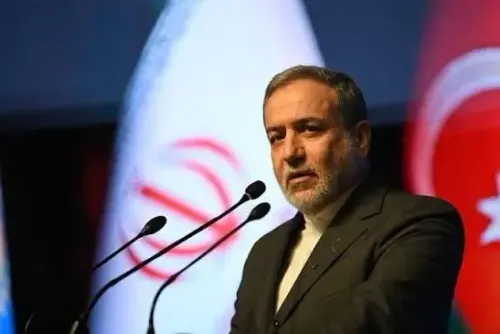
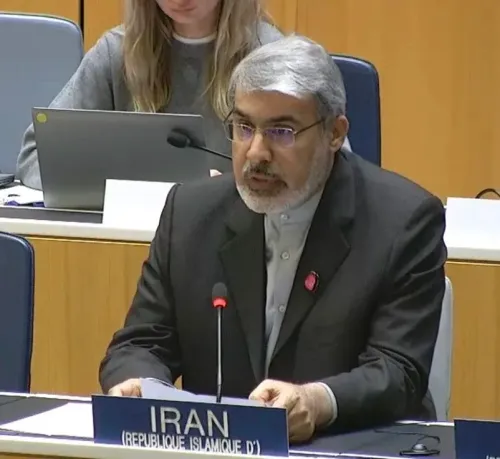
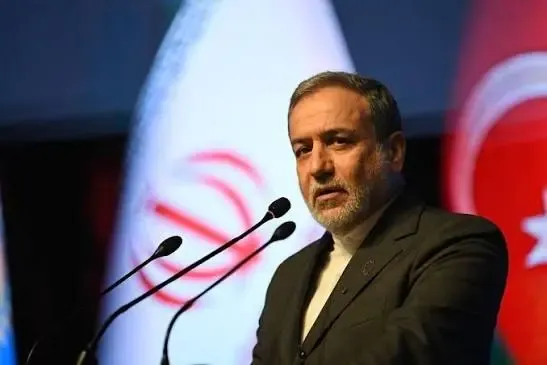
Iranian Foreign Minister Abbas Araghchi outlined the proposal publicly, stating that Tehran was prepared to reopen the strait provided Washington met specific preconditions — ending the conflict, lifting its blockade, releasing frozen Iranian assets, and permitting Iran to resume oil exports.
'Our proposal is very clear. We are ready to open the Strait if certain things are done by the US,' Araghchi said on NBC's Meet the Press on Sunday. He added: 'We want our moneys, our assets, which are illegally frozen, to be released. We want, you know, to be able to sell our oil.'
Araghchi said Iran believed these steps could be completed within four or five days, after which the strait would reopen on day six and broader negotiations would commence on day seven. He maintained that Iran was still awaiting an official response through mediators despite President Donald Trump's public rejection on Saturday.
Washington's Swift Rejection
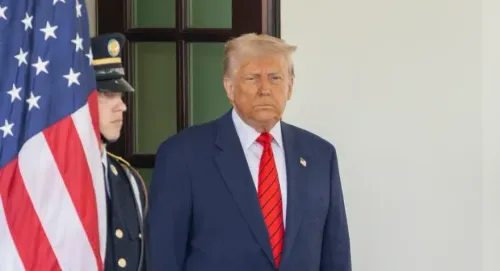
Trump dismissed the offer as a sign of Iranian weakness rather than genuine diplomacy. 'They want to make a deal where they open the strait immediately because they're losing so badly,' Trump said. 'But we're winning tremendously. We have total control of the Hormuz Strait.'
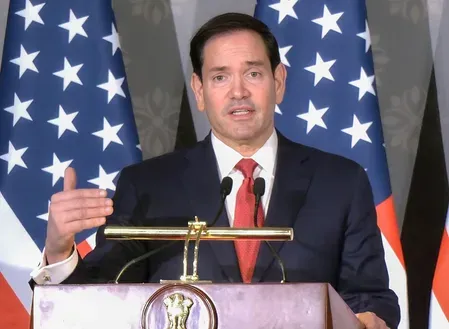
US Ambassador to the United Nations Mike Waltz elaborated on Washington's objections, telling CNN's State of the Union that Iran was demanding everything up front before any substantive talks began. 'They were asking for everything up front with a promise that they would then talk,' Waltz said.
Waltz also accused Iran of violating an earlier memorandum of understanding by attacking international shipping — a charge Tehran disputes, with Iran arguing that Washington had itself breached prior agreements. 'The president's just not confident that the Iranians are coming in good faith and that we will truly negotiate the end of their nuclear programme,' Waltz said.
Tehran's Position on Nuclear Talks
Iranian President Masoud Pezeshkian separately addressed the standoff on CBS's Face the Nation, indicating that Tehran was open to proceeding in stages under a framework based on the earlier memorandum. 'Obviously, we will abide by whatever we commit to,' Pezeshkian said.
Pezeshkian also signalled that Iran could negotiate limits and inspections for its nuclear programme within existing frameworks, while blaming the United States and Israel for attacking Iranian nuclear facilities. 'Within the framework of the NPT and the other existing frameworks, all of these issues are matters that can be agreed upon,' he said.
Military Posture and the Diplomatic Window
Despite the diplomatic overtures, Araghchi struck a dual-track tone, warning that Iran remained militarily prepared even as it kept the diplomatic channel open. 'We are fully prepared for the war to be resumed,' he said. 'But at the same time, we are ready, we stand ready for diplomacy. It is up to President Trump to choose.'
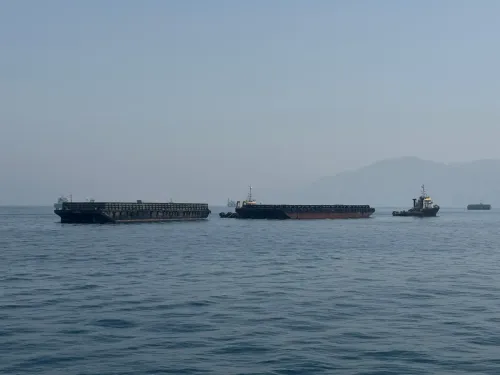
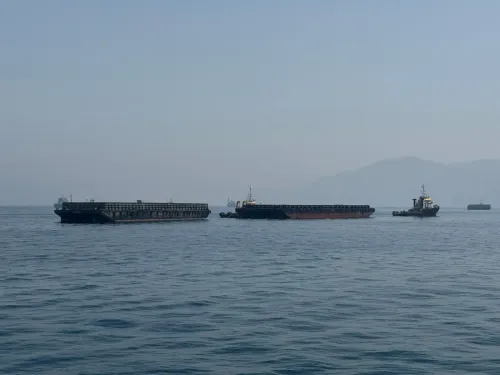
This comes amid heightened global anxiety over energy supply chains, with the Strait of Hormuz serving as the passage for roughly 20% of the world's oil trade. The impasse leaves both sides publicly committed to their positions while mediators reportedly continue back-channel efforts to bridge the gap. Whether a revised framework can emerge before the situation further deteriorates remains the defining question of the coming days.
Point of View
Meanwhile, frames rejection as strength, but every day the strait remains contested, global energy markets absorb a risk premium that ultimately hits consumers far from the battlefield. The more revealing variable is the mediator channel Araghchi referenced — if back-channel talks are genuinely active, the public posturing on both sides may be theatre for domestic audiences rather than a true breakdown.
NationPress
28 Sept 2026
Frequently Asked Questions
What is Iran's seven-day plan for the Strait of Hormuz?
Iran proposed a seven-day framework under which the US would meet specific preconditions — ending the conflict, lifting its blockade, releasing frozen Iranian assets, and allowing oil sales — after which Iran would reopen the Strait of Hormuz on day six and begin nuclear negotiations on day seven. Foreign Minister Abbas Araghchi said the preconditions could be met within four or five days.
Why did the United States reject Iran's Hormuz proposal?
Washington rejected the plan because it required the US to grant sanctions relief and access to billions of dollars in frozen assets before any substantive negotiations began. US Ambassador Mike Waltz said Iran was 'asking for everything up front with a promise that they would then talk,' and President Trump said he was not confident Iran was negotiating in good faith.
What is Iran's position on its nuclear programme?
Iranian President Masoud Pezeshkian indicated that Tehran is open to negotiating limits and inspections for its nuclear programme within the framework of the Nuclear Non-Proliferation Treaty (NPT) and other existing agreements. He said Iran would honour any commitments it makes, but blamed the US and Israel for attacking Iranian nuclear sites.
Is Iran still open to diplomacy despite the rejection?
Yes, Foreign Minister Araghchi said Iran was still awaiting an official response through mediators despite Trump's public rejection, and that Tehran 'stands ready for diplomacy.' However, he also warned that Iran is 'fully prepared for the war to be resumed' if diplomacy fails.
Why does the Strait of Hormuz matter globally?
The Strait of Hormuz is one of the world's most critical energy chokepoints, through which roughly 20% of global oil trade passes. Any prolonged closure or military escalation in the strait would significantly disrupt oil supplies and drive up energy prices worldwide, with cascading effects on global markets and consumers.