Karnataka milk price hike: Shivakumar says Nandini still cheaper than AP, Tamil Nadu
Synopsis
Karnataka CM Shivakumar has justified an ₹8 per litre Nandini milk price hike by pointing out that Karnataka's prices are still lower than those in Andhra Pradesh and Tamil Nadu — and that cross-party MLAs had demanded the revision for years. The admission that elections delayed a farmer-welfare decision is the detail that cuts deepest.
Key Takeaways
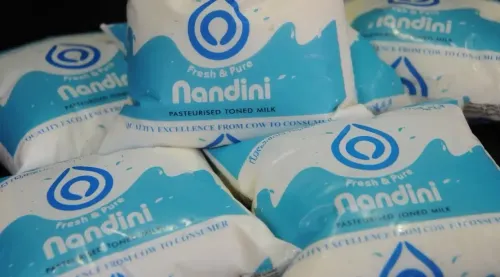
Karnataka cabinet approved a ₹8 per litre hike in Nandini milk prices on 29 October 2026 .
Shivakumar said farmers had demanded a revision of ₹12–15 per litre ; the government settled on ₹8.
Karnataka milk remains priced lower than in Andhra Pradesh and Tamil Nadu , according to Shivakumar.
The low price differential had reportedly caused milk to be routed out of Karnataka to Andhra Pradesh and Maharashtra.
MLAs across party lines in both legislative houses had backed the hike; the decision was deferred earlier due to elections.
A possible bus fare hike has been referred to the Transport Department, which faces heavy losses.
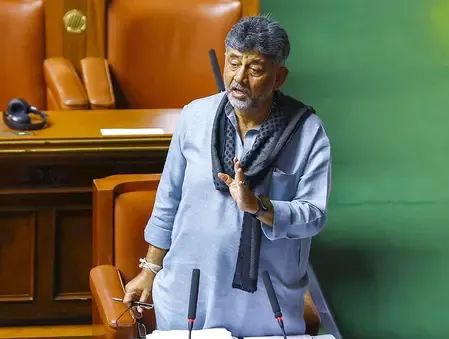
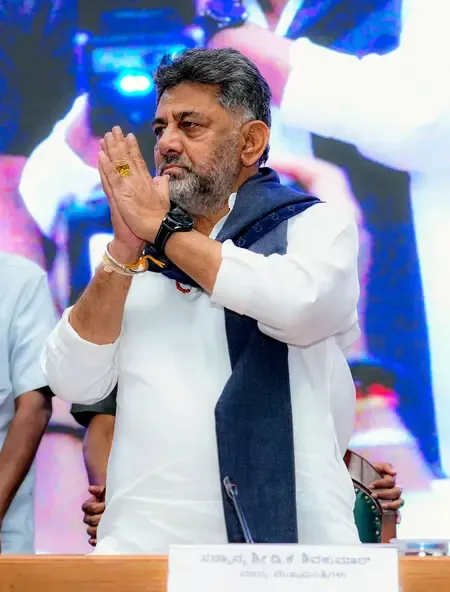
Karnataka Chief Minister D. K. Shivakumar on Thursday, 29 October 2026, defended the state cabinet's decision to raise the price of Nandini milk by ₹8 per litre, arguing that the revision was necessary to prevent financial losses to dairy farmers and that Karnataka's milk prices remain lower than those in neighbouring states. The hike had been preceded by a cross-party demand from legislators across both houses of the state legislature.
Why the Government Raised the Price
Shivakumar stated that farmers had been pressing for a price revision for two years, with some demands running as high as ₹12 to ₹15 per litre. 'The government is helping farmers. Farmers are important to us,' he said, responding to questions at a press interaction. He also pointed to rising input costs — including plastic packaging, diesel, and petrol — that have pushed up the transportation cost of milk, making a revision unavoidable.
The Chief Minister drew a pointed comparison with consumer water prices, noting that people routinely pay ₹30–35 for a litre of bottled water, framing the milk price increase in that context. 'If there are farmers, we can drink milk. Otherwise, is it possible to drink milk?' he said.
Karnataka Milk Cheaper Than Andhra Pradesh and Tamil Nadu
Shivakumar maintained that even after the ₹8 hike, Nandini milk remains priced lower than comparable products in Andhra Pradesh and Tamil Nadu. He noted that this price differential had reportedly led to milk being routed from Karnataka to Andhra Pradesh and Maharashtra, a leakage the government sought to address. He also cited robust external demand for Nandini products: 'Tirupati buys Nandini ghee. They could buy it locally, but they trust Nandini. There is high demand for Nandini ghee for Mysore Pak and other items.'
Cross-Party Support and Electoral Timing
The Chief Minister revealed that MLAs across party lines had demanded a price hike in both the Legislative Assembly and the Legislative Council. He acknowledged that the decision had been deferred earlier on account of elections. 'A decision could not be taken earlier due to elections. Now that elections are over, the decision has been made,' he said. The admission that poll considerations delayed a farmer-welfare measure is likely to draw scrutiny from the opposition.
Bus Fare Hike Also on the Table
Separately, Shivakumar addressed questions on a possible increase in bus fares, indicating that the state's Transport Department had suffered heavy losses and had even faced a shortage of funds for diesel. He said the department itself had been asked to decide on fare revisions, while noting that the government continues to provide free bus travel for women — a flagship welfare scheme that significantly dents the department's revenue. No timeline was given for a fare decision.
What Comes Next
The ₹8 per litre increase in Nandini milk prices takes effect following the cabinet approval. Consumer groups and opposition parties are expected to scrutinise the rollout and may demand that the government share data on how the additional revenue is passed on to farmers. Meanwhile, Shivakumar's remarks suggest that further cost-driven revisions — in transport, among other sectors — cannot be ruled out in the near term.
Point of View
The delay was a political choice that cost farmers two years of income. The decision to pass the bus fare question to the Transport Department is also a soft deferral, not a resolution — Karnataka's subsidy-heavy welfare architecture is accumulating fiscal pressure that a series of incremental price revisions will not fully offset.
NationPress
29 Oct 2026
Frequently Asked Questions
Why did Karnataka raise the price of Nandini milk?
The Karnataka cabinet raised Nandini milk prices by ₹8 per litre to prevent financial losses to dairy farmers who had been demanding a revision for two years. Chief Minister D. K. Shivakumar cited rising costs of plastic packaging, diesel, petrol, and milk transportation as additional justifications.
How does Karnataka's milk price compare with other states after the hike?
Even after the ₹8 increase, Chief Minister Shivakumar stated that Nandini milk remains cheaper in Karnataka than in neighbouring Andhra Pradesh and Tamil Nadu. He also noted that the lower price had been causing milk to flow out of Karnataka into those states.
Did opposition MLAs also support the milk price hike?
Yes. Shivakumar said MLAs across party lines — from both the Legislative Assembly and the Legislative Council — had demanded a milk price hike. He acknowledged that the decision was delayed due to elections and has now been taken with elections concluded.
Will bus fares also be increased in Karnataka?
A decision on bus fares has not yet been taken. Shivakumar said the Transport Department, which has suffered heavy losses and faced a fuel shortage, has been asked to decide on the matter itself. The government continues to offer free bus travel for women, which significantly impacts department revenues.
What was the original demand from farmers on milk prices?
Dairy farmers and their representatives had demanded a price increase of ₹12 to ₹15 per litre over the past two years. The government settled on a ₹8 per litre hike after consultations.