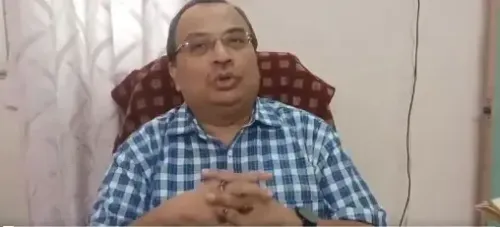
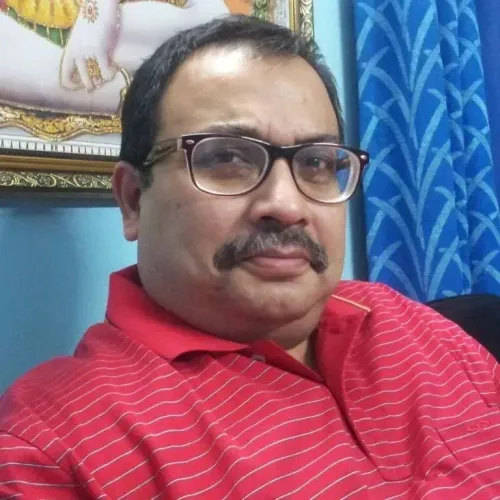
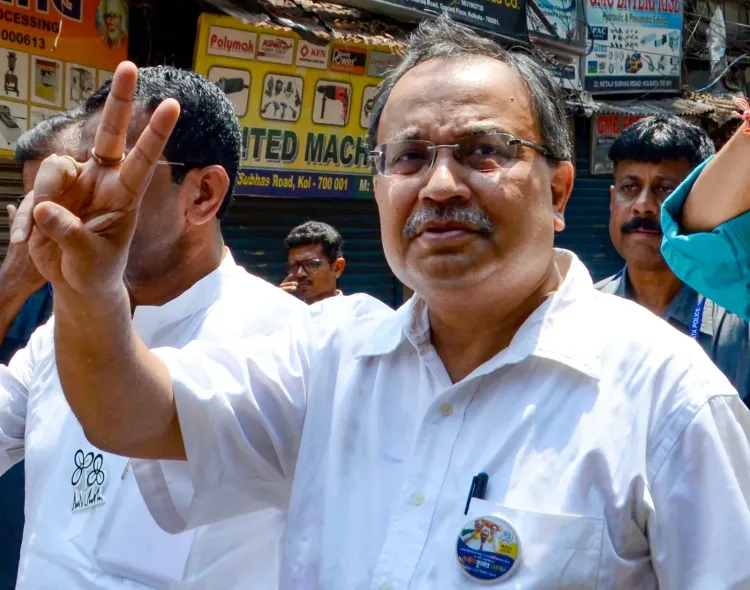
Kunal Ghosh: Tapas Roy, Sajal Ghosh were forced out of Trinamool
Synopsis
Trinamool Congress MLA Kunal Ghosh chose the moment of his own swearing-in — administered by ex-TMC leader and now-BJP MLA Tapas Roy — to publicly declare that Roy and Sajal Ghosh were 'forced' out of the party. His post attacking 'WhatsApp cry politics' and 'nepotism' is the sharpest public signal yet of a deepening fault line inside the TMC after its electoral losses.
Key Takeaways
Kunal Ghosh , sworn in as Beleghata MLA on 14 May , publicly stated that Tapas Roy and Sajal Ghosh were forced out of the Trinamool Congress.
Tapas Roy , now a BJP MLA from Maniktala , served as Pro-tem Speaker and administered the oath to Kunal Ghosh.
Sajal Ghosh won the Barahnagar seat on a BJP ticket after leaving the TMC.
Kunal Ghosh criticised 'nepotism' and 'WhatsApp cry politics' within the TMC without naming anyone — remarks widely seen as targeting MP Sudip Bandopadhyay .
Kunal Ghosh notably omitted Nayna Bandopadhyay , newly appointed TMC Legislative Party deputy leader, from his public congratulations.
The TMC leadership had not publicly responded to the remarks as of Thursday.
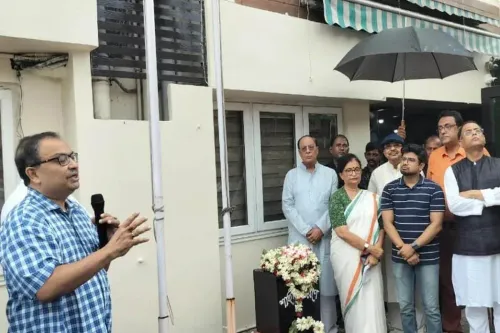
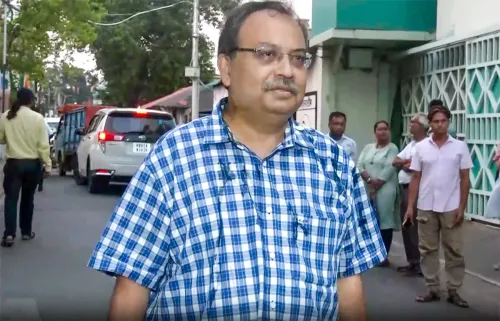
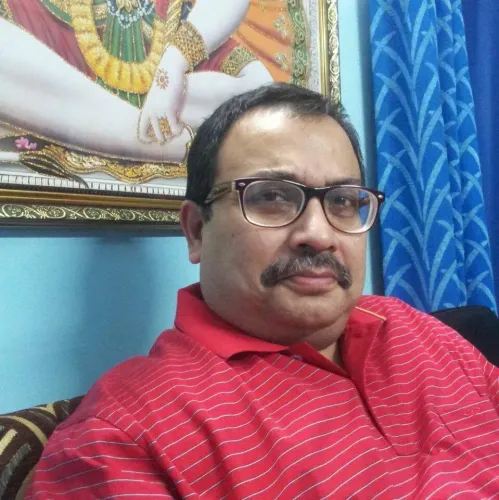
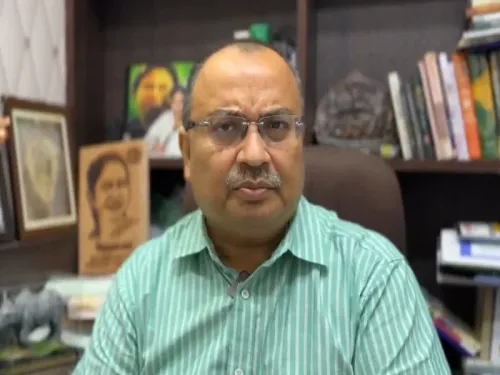
Trinamool Congress MLA Kunal Ghosh on Thursday, 14 May publicly stated that senior leaders Tapas Roy and Sajal Ghosh were effectively forced to leave the Trinamool Congress (TMC), and called for deep 'introspection' within the party following its electoral setbacks in West Bengal. The remarks, made shortly after Kunal Ghosh was sworn in as the Beleghata MLA in the West Bengal Assembly, have triggered fresh speculation about simmering internal divisions inside the TMC.
The Oath Ceremony That Sparked the Controversy
In a moment laden with political symbolism, it was Tapas Roy — now a Bharatiya Janata Party (BJP) MLA from the Maniktala constituency — who, as Pro-tem Speaker, administered the oath to newly elected MLAs including Kunal Ghosh. Roy had won the recent Assembly elections on a BJP ticket, having officially joined the party ahead of the 2024 Lok Sabha elections. Similarly, Sajal Ghosh, another former TMC leader, won from the Barahnagar constituency on a BJP ticket.
The occasion was not lost on Kunal Ghosh, who reflected on the irony in a social media post that has since gone viral.
What Kunal Ghosh Said
In his post, Kunal Ghosh wrote: 'Pro-tem Speaker Tapas Roy administered the oath to me. A long-time elder brother and leader. We tried to keep him in Trinamool. Unfortunately, we couldn't. Later, despite political opposition, the party suspended me for personally speaking well of Tapas da. Incidentally, I am now taking the oath of office at the hands of Tapas da, who is an MLA of the Bharatiya Janata Party. How fortune changes.'
On Sajal Ghosh, he wrote: 'Sajal is also a councillor. Tapas da and Sajal Ghosh were forced to leave the party. I tried to keep both of them, but I failed. Now they are MLAs.' He added that 'because of those due to whom Tapas da, Sajal, and many others left the party, the party suffered losses, and even after that, the same kind of nepotism through WhatsApp cry politics is going on, which is very objectionable and worrying.'
The Internal Fault Lines: Sudip Bandopadhyay in the Crosshairs
While Kunal Ghosh did not name anyone directly, his remarks are widely understood to target Kolkata Uttar Member of Parliament Sudip Bandopadhyay and his wife Nayna Bandopadhyay, with whom Kunal Ghosh reportedly shares a bitter relationship. Kunal Ghosh has previously and repeatedly accused Sudip Bandopadhyay of bypassing party channels and directly 'appropriating' work to TMC chief Mamata Banerjee via WhatsApp — a practice he has labelled 'WhatsApp cry politics.'
The reference to 'nepotism' in Thursday's post is also seen as a veiled jab at the recent appointment of Nayna Bandopadhyay as deputy leader of the Trinamool Congress Legislative Party. Notably, while Kunal Ghosh publicly congratulated Leader of the Opposition Sovandeb Chattopadhyay, Chief Whip Firhad Hakim, and leader Asima Patra on their appointments, he conspicuously omitted any mention of Nayna Bandopadhyay — a silence observers have interpreted as a 'silent protest.'
Background: A Pattern of Public Dissent
This is not the first time Kunal Ghosh has aired grievances against a section of his own party. When Tapas Roy moved toward the BJP, Kunal Ghosh personally visited Roy's residence and held a lengthy meeting alongside then state minister Bratya Basu in an attempt to persuade him to stay. The effort failed. Kunal Ghosh subsequently continued to speak favourably of Tapas Roy within the party, which reportedly led to disciplinary action against him — a fact he referenced in Thursday's post.
Kunal Ghosh also claimed that rank-and-file party workers are 'losing patience,' suggesting the discontent extends well beyond his own personal grievances. This internal conflict, though not new, has now surfaced at a particularly sensitive moment — the opening of a new Assembly session following electoral losses that the party has yet to fully account for publicly.
What Comes Next
The TMC leadership has not publicly responded to Kunal Ghosh's remarks as of Thursday. With the new Assembly in session and the party navigating post-election recalibration, how the leadership addresses — or ignores — this public dissent will be closely watched by both political observers and the party's own rank and file.
Point of View
Vague enough to avoid direct disciplinary exposure. The timing is telling: he waited until the oath ceremony, with Tapas Roy literally administering his pledge, to make the point. The TMC's real problem here is not Kunal Ghosh's candour but the underlying dynamic he describes — a party where internal grievances fester until leaders defect to the BJP, handing the opposition ready-made narratives. If the leadership continues to absorb this dissent silently rather than address it structurally, the exit of Roy and Sajal Ghosh may not be the last such defection cycle.
NationPress
28 Sept 2026
Frequently Asked Questions
What did Kunal Ghosh say about Tapas Roy and Sajal Ghosh leaving Trinamool?
Kunal Ghosh publicly stated on 14 May that Tapas Roy and Sajal Ghosh were 'forced to leave' the Trinamool Congress, and that he had personally tried but failed to retain both of them. He made these remarks in a social media post after being sworn in as Beleghata MLA.
Who is Tapas Roy and why did he leave the Trinamool Congress?
Tapas Roy is a veteran politician who officially joined the BJP ahead of the 2024 Lok Sabha elections after leaving the TMC, where he had been an MLA from Baranagar. He subsequently won the Maniktala constituency on a BJP ticket and served as Pro-tem Speaker of the West Bengal Assembly.
What is 'WhatsApp cry politics' that Kunal Ghosh referred to?
Kunal Ghosh has repeatedly used the phrase to allege that certain TMC leaders bypass party channels and directly report to TMC chief Mamata Banerjee via WhatsApp to claim credit for work. His remarks are widely understood as directed at Kolkata Uttar MP Sudip Bandopadhyay.
Why did Kunal Ghosh not congratulate Nayna Bandopadhyay?
While Kunal Ghosh publicly congratulated several newly appointed TMC leaders, he conspicuously left out Nayna Bandopadhyay, wife of MP Sudip Bandopadhyay, who was recently appointed deputy leader of the TMC Legislative Party. Political observers have read the omission as a deliberate silent protest.
How has the TMC responded to Kunal Ghosh's remarks?
The Trinamool Congress leadership had not issued any public response to Kunal Ghosh's remarks as of Thursday, 14 May. The party's handling of this latest episode of public dissent is being closely watched given the backdrop of recent electoral losses.