Kuno cheetah count hits 16 as 2 Botswana females released into wild
Synopsis
With 16 cheetahs now roaming free at Kuno and more Botswana arrivals awaiting clearance, Project Cheetah is at a defining inflection point — but the death of four newborn cubs just three days earlier is a stark reminder of how fragile this reintroduction still is.
Key Takeaways
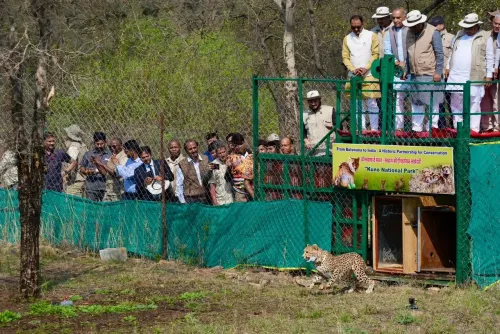
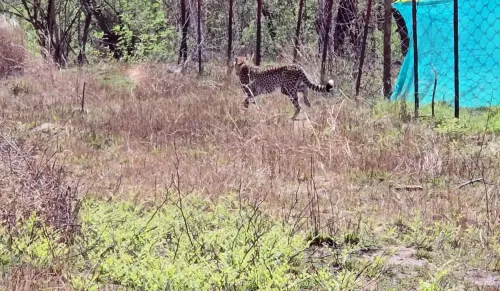
Two Botswana female cheetahs were released into the wild at Kuno National Park on 15 May 2025 , raising the free-ranging count to 16 .
The release is part of a nine-cheetah Botswana cohort that arrived in India on 28 February 2025 — the third phase of Project Cheetah.
Madhya Pradesh CM Mohan Yadav had released two other females just five days earlier on 10 May .
On 12 May , four cubs born to female cheetah KGP 12 were found dead, likely killed by a predator.
Kuno's total cheetah population now stands at 50 , including 33 cubs .
Cheetahs were declared extinct in India in 1952 ; Project Cheetah aims to restore a viable free-ranging population.
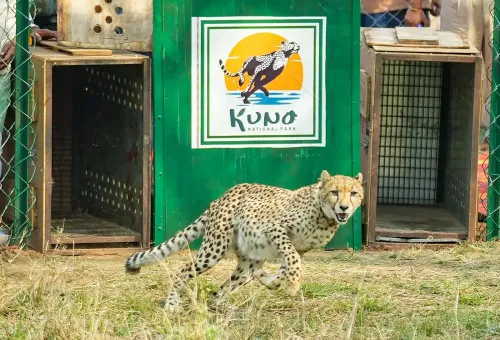
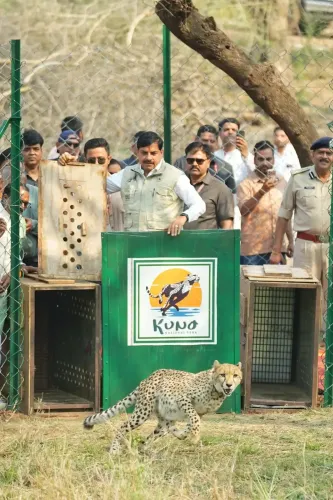
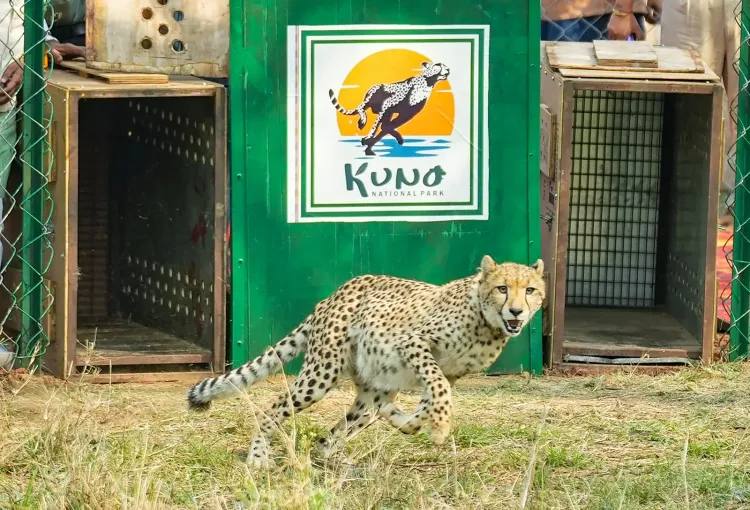
Two female cheetahs from Botswana were released into the wild at Kuno National Park in Madhya Pradesh on Friday, 15 May, taking the total number of free-ranging cheetahs at the park to 16, according to officials. The release marks another step forward in Project Cheetah, India's ambitious effort to restore a species declared extinct on its soil more than seven decades ago.
Details of the Latest Release
The Field Director of the Cheetah Project in Madhya Pradesh confirmed the development in an official statement. 'Today, two more Botswanan female cheetahs have been successfully released into the wild at Kuno National Park,' the statement read.
Officials added that post-release monitoring will continue through advanced radio telemetry and dedicated field teams to ensure the animals' safety and successful integration into the landscape. 'All cheetahs are healthy and doing well in the wild,' the statement noted.
Context: Five Days After CM Yadav's Release
The latest release comes just five days after Madhya Pradesh Chief Minister Mohan Yadav personally released two other female cheetahs from their large quarantine enclosure into the open jungle at Kuno on Monday, 10 May.
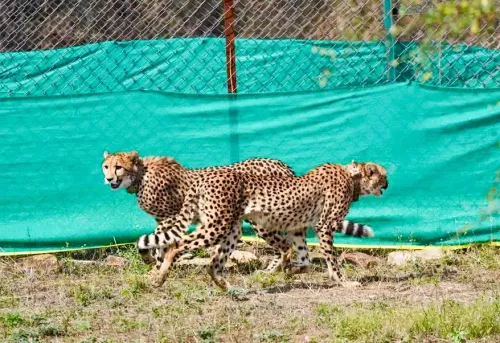
The two newly released cheetahs are part of a group of nine cheetahs brought from Botswana to India on 28 February 2025 — the third phase of the project. This batch includes four additional females and three males who remain under quarantine or soft-release protocols pending veterinary clearance.
Project Cheetah: Phase by Phase
Under the project's protocol, cheetahs are first kept in quarantine, then moved to larger soft-release enclosures at Kuno to acclimatise to Indian conditions. Only after veterinary teams assess their health, hunting ability, and adaptation are they cleared for full wild release.
The first batch of eight cheetahs from Namibia was released at Kuno by Prime Minister Narendra Modi in September 2022. A second batch of 12 cheetahs from South Africa arrived in February 2023. The Botswana cohort represents the third and largest single-country transfer under the initiative.
Shadow Over the Milestone: Four Cubs Found Dead
The positive news arrives against a sobering backdrop. On 12 May, four cubs born approximately a month earlier to India-born female cheetah KGP 12 were found dead inside Kuno. The carcasses were partially eaten, indicating the cubs may have been killed by a predator, according to officials.
The deaths brought the overall cheetah population at Kuno down to 50, including 33 cubs. The loss underscores the ecological challenges of re-establishing apex predators in a landscape they have not inhabited for over 70 years.
Why This Matters
Cheetahs were declared extinct in India in 1952, driven to oblivion by hunting and large-scale habitat loss. Project Cheetah aims to establish a self-sustaining, free-ranging population — a conservation benchmark no other country has attempted at this scale with this species. With 16 cheetahs now ranging freely and more awaiting release, the project is entering a critical phase where natural breeding and predator-prey dynamics will determine long-term viability.
Point of View
But it tells only half the story. The death of four cubs — partially consumed, almost certainly by a predator — just days before this release is a signal that Kuno's ecosystem is not yet a controlled sanctuary; it is a contested landscape. Project Cheetah's real test is not the release count but the survival rate of second-generation cubs born without human intervention. With nine Botswana animals still in various stages of acclimatisation and a total population of 50 that remains fragile, the project's managers face a fundamental question mainstream coverage keeps sidestepping: at what point does Kuno's carrying capacity and prey base become the binding constraint, not the number of cheetahs imported?
NationPress
3 Oct 2026
Frequently Asked Questions
How many cheetahs are now free-ranging at Kuno National Park?
As of 15 May 2025, a total of 16 cheetahs are roaming freely at Kuno National Park in Madhya Pradesh, following the latest release of two Botswana females. The park's overall cheetah population, including those in enclosures, stands at 50.
Where did the latest released cheetahs come from?
The two newly released females are part of a batch of nine cheetahs brought from Botswana to India on 28 February 2025, representing the third phase of Project Cheetah. Earlier batches came from Namibia in September 2022 and South Africa in February 2023.
What happened to the four cheetah cubs found dead at Kuno?
Four cubs born about a month earlier to India-born female cheetah KGP 12 were found dead on 12 May 2025. Their carcasses were partially eaten, suggesting they were killed by a predator, according to officials. The deaths reduced Kuno's total cheetah count to 50.
What is Project Cheetah and why was it launched?
Project Cheetah is India's initiative to reintroduce the cheetah, which was declared extinct in the country in 1952 due to hunting and habitat loss. The project aims to establish a self-sustaining, free-ranging cheetah population, primarily at Kuno National Park in Madhya Pradesh.
How are cheetahs prepared before being released into the wild at Kuno?
Under the project protocol, newly arrived cheetahs are first kept in quarantine, then moved to larger soft-release enclosures to acclimatise to Indian conditions. Veterinary teams assess their health, hunting ability, and adaptation before clearing them for full wild release.