Lachen cut off 16 months: Sikkim border village residents protest in Gangtok
Synopsis
Lachen, a border village in north Sikkim, has been virtually cut off for 16 months since the 2023 South Lhonak GLOF — and residents say the silence from Gangtok is as damaging as the floods. With ₹30 lakh lost daily, youth leaving a strategic frontier, and a 241-km detour as the only road in, the crisis is no longer just a connectivity problem.
Key Takeaways
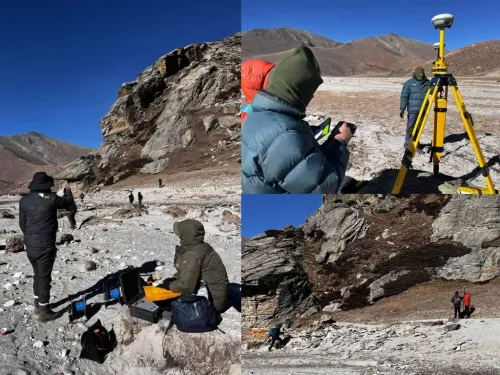
Lachen in north Sikkim has remained effectively cut off for nearly 16 months following the South Lhonak GLOF of 3 October 2023 .
More than 120 hotels in Lachen are collectively losing over ₹30 lakh daily , with tourism nearly collapsed.
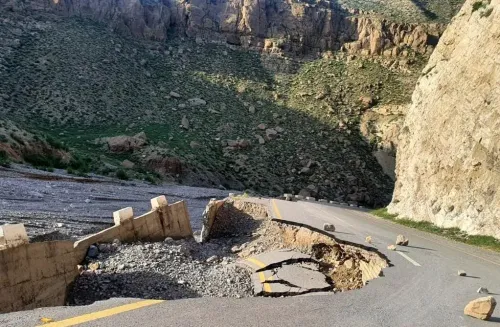
Residents must use a 241-kilometre bypass to reach Gangtok due to repeated damage on the Taram Chu Road .
BRO officials have assured the government the road will be motorable by 16 July 2025 .
Residents warned of growing outmigration from the strategically sensitive border area, with younger generations leaving due to poor connectivity.
Chief Minister Prem Singh Tamang did not meet the protesters; MLA Samdup Lepcha acknowledged the crisis and cited tunnel and riverbed road alternatives under exploration.
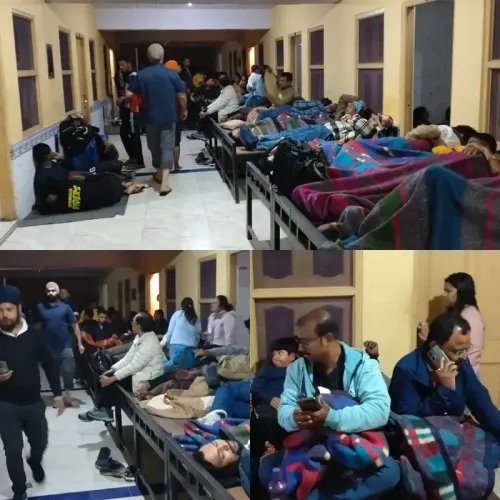
Residents of Lachen, a strategically important border village in north Sikkim, descended on Gangtok on Monday, 25 May to demand urgent restoration of road connectivity and greater government accountability, citing nearly 16 months of near-total isolation following the South Lhonak Glacial Lake Outburst Flood (GLOF) of 3 October 2023. The protest underscored the deepening economic and humanitarian toll on a community that sits at one of India's most sensitive border frontiers.
The Human Cost of Prolonged Isolation
Villagers who braved treacherous terrain to reach the state capital expressed sharp disappointment after Chief Minister Prem Singh Tamang did not meet them. Resident Sangay Lachenpa said people had 'risked their lives just to demand better connectivity,' adding that deteriorating road conditions had made even access to essential supplies hazardous.
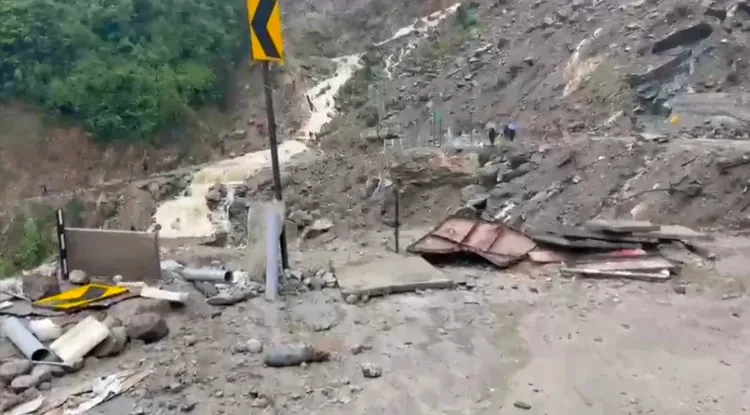
Another resident, Dathup Lachenpa, described the journey to Gangtok as an ordeal, saying people were forced to construct makeshift bridges and cross washed-out stretches on foot. During the monsoon, residents reportedly walk nearly 20 kilometres downhill to collect LPG cylinders and carry them back. 'Life has never been smooth for us after the October 3, 2023, GLOF,' he said.
Economic Devastation: ₹30 Lakh Lost Every Day
According to residents, more than 120 hotels in Lachen alone are collectively suffering losses exceeding ₹30 lakh daily, with taxi operators, shopkeepers and other businesses compounding the damage. Tourism activity in the region has nearly collapsed, residents said. A 20-metre road stretch cut off since 5 April has seen repair work progress at an unacceptably slow pace, according to protesters.
Notably, Lachen's economic lifeline is almost entirely tourism-dependent, making sustained road disruption existential rather than merely inconvenient. This is not the first time GLOF-triggered damage has crippled the valley — the October 2023 disaster set off a chain of infrastructure failures that have compounded with each subsequent monsoon.
The Migration Warning
Residents raised a concern with direct national security implications: the outmigration of younger residents from a strategically sensitive border area. 'Government policy has always been to keep border areas populated, but because of poor connectivity, especially the younger generation is now moving out,' Sangay Lachenpa said. The depopulation of border villages weakens India's civilian presence along a frontier that adjoins China.
What the Government Said
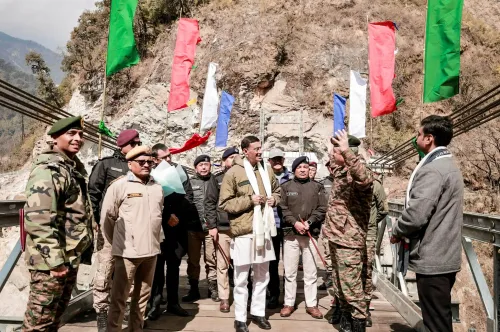
Lachen-Mangan MLA Samdup Lepcha acknowledged the gravity of the situation, confirming that residents currently must use a 241-kilometre bypass route to reach Gangtok due to repeated disruptions on the Taram Chu Road. He said officials from the Border Roads Organisation (BRO) had assured the government that the road would be made motorable by 16 July. Alternative solutions under consideration include a temporary riverbed road and a long-term tunnel project. Lepcha urged opposition parties not to politicise the issue while conceding that 'the public's frustration is understandable.'
What Happens Next
With the monsoon season intensifying, the 16 July BRO deadline will be closely watched. A failure to restore connectivity before peak monsoon could extend Lachen's isolation further and accelerate outmigration. The tunnel project, if greenlit, would offer a permanent solution — but its timeline remains unspecified. Civil society groups in Sikkim are expected to mount pressure on the state government for a concrete restoration schedule.
Point of View
Slow, and disconnected from the strategic imperative of keeping frontier villages populated. The BRO's July 16 deadline, if missed, will mark the third consecutive monsoon in which Lachen is effectively inaccessible — a timeline that no emergency protocol should have permitted. The outmigration warning is the most alarming signal here; depopulated border villages are a national security liability that no amount of post-facto tunnel planning can quickly reverse. The Chief Minister's absence at the protest was not just a political miscalculation — it signals that Sikkim's border communities remain an afterthought in state governance.
NationPress
9 Oct 2026
Frequently Asked Questions
Why has Lachen in Sikkim been cut off for 16 months?
Lachen has been repeatedly cut off since the South Lhonak Glacial Lake Outburst Flood (GLOF) of 3 October 2023, which caused severe damage to roads in north Sikkim. Subsequent monsoon seasons have compounded the destruction, leaving the village reliant on a 241-kilometre bypass to reach Gangtok.
What are the economic losses faced by Lachen residents?
According to residents, more than 120 hotels in Lachen alone are collectively losing over ₹30 lakh daily. Taxi operators, shopkeepers, and other tourism-dependent businesses are also severely affected, with overall tourism activity in the region having nearly collapsed.
When will the road to Lachen be restored?
Border Roads Organisation (BRO) officials have assured the Sikkim government that the road will be made motorable by 16 July 2025. A temporary riverbed road and a long-term tunnel project are also being explored as alternatives.
Why is Lachen's isolation a national security concern?
Lachen is a strategically sensitive border village adjoining China. Residents have warned that poor connectivity is driving younger residents to migrate out of the area, weakening India's civilian presence along the frontier — which runs counter to the government's own policy of keeping border areas populated.
What was the government's response to the protest in Gangtok?
Lachen-Mangan MLA Samdup Lepcha acknowledged the seriousness of the situation and cited the BRO's July 16 restoration deadline. Chief Minister Prem Singh Tamang, however, did not meet the protesters, drawing sharp criticism from residents who had travelled through difficult terrain to reach Gangtok.