Delhi HC grants interim arrest protection, slams IO over blank notice in matrimonial case
Synopsis
, The court recorded this statement and extended interim protection — but did not stop there.
Justice Kathpalia flagged a glaring irregularity in the notice issued by the IO.
Key Takeaways
, It is shocking to note that the said notice, which mentions even time of appearance before the IO, does not disclose the date when petitioner no.
1 has to report before the IO.
Rather the relevant space in the notice has been left blank,
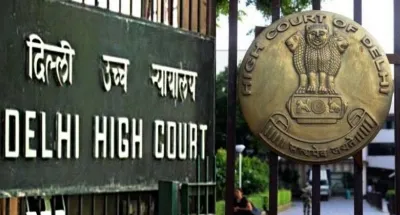
The Delhi High Court has granted interim protection from arrest to a woman and her relative who alleged harassment by local police in connection with a matrimonial dispute, while expressing shock at the manner in which the Investigating Officer (IO) issued a defective notice to join the probe. The order was passed by a single-judge Bench of Justice Girish Kathpalia after recording the IO's statement that he did not intend to arrest either of the petitioners.
Background: The Matrimonial Dispute and Police Complaint
The writ petition was filed by Sonia Bansal and her sister's brother-in-law, who sought protection of their life and liberty from the police of Alipur Police Station in Delhi. The petitioners contended that Sonia Bansal was embroiled in matrimonial litigation with her husband, and alleged that he was using his influence to harass them through the police machinery.
According to the plea, an FIR was registered at PS Alipur on the complaint of the husband. Despite the alleged offences being bailable in nature, the petitioners claimed the IO was neither accepting bail bonds nor refraining from harassment — a combination they argued amounted to coercive pressure.
What the Court Found Shocking
Additional Standing Counsel Sanjeev Bhandari, appearing on instructions from IO/Head Constable Anil, submitted that the first petitioner had already been called to join the investigation and clarified that the IO
Point of View
This observation signals the court's concern that the blank date could have been weaponised against the petitioner at a later stage.
Directions Issued by the Court
Recording the deficiency, the Delhi High Court directed that a copy of the order be sent to the concerned Deputy Commissioner of Police (DCP) to take appropriate action and submit a report. The petitioners have been granted protection from arrest until the next date of hearing, listed for 20 July.
Broader Significance
This case is part of a broader pattern of courts scrutinising the conduct of investigating officers in matrimonial disputes, where allegations of police being used as tools of harassment have become increasingly common. Notably, the court's direction to the DCP signals institutional accountability beyond the individual IO. The matter will be heard next on 20 July, when the DCP's action report is also expected.
NationPress
28 Sept 2026
Frequently Asked Questions
What did the Delhi High Court order in Sonia Bansal's case?
The Delhi High Court granted interim protection from arrest to Sonia Bansal and her relative until the next date of hearing on 20 July. The court also directed a copy of its order to the Deputy Commissioner of Police for appropriate action against the Investigating Officer.
Why did the Delhi HC express shock at the IO's notice?
Justice Girish Kathpalia found that the notice issued by the IO mentioned the time of appearance but left the date of appearance blank. The court noted this deficiency could have been misused to falsely claim the petitioner had failed to join the investigation.
What is the matrimonial dispute at the centre of this case?
Sonia Bansal is involved in matrimonial litigation with her husband, who she alleged was using his influence over the police to harass her and her relative. An FIR was registered at Alipur Police Station on the husband's complaint, despite the alleged offences being bailable.
Who is the Investigating Officer in this case?
The Investigating Officer is Head Constable Anil of Alipur Police Station. His counsel submitted before the Delhi High Court that he did not intend to arrest either of the petitioners.
When is the next hearing in this case?
The Delhi High Court has listed the matter for further hearing on 20 July, by which time the Deputy Commissioner of Police is expected to submit an action report on the IO's conduct.