Engineer Rashid Moves Delhi HC for Interim Bail to See Ailing Father
Synopsis
Baramulla MP Engineer Rashid, jailed in Tihar in an NIA terror-funding case, has moved the Delhi High Court for interim bail to visit his hospitalised father — after the Patiala House Court denied relief. The NIA offered custody parole instead. His case raises rare constitutional questions about imprisoned elected MPs.
Key Takeaways
Engineer Abdul Rashid Sheikh , Baramulla MP , has filed a plea in the Delhi High Court challenging denial of interim bail to visit his hospitalised father.
The Patiala House Court had earlier refused interim bail in the NIA terror-funding case , prompting Rashid to escalate to the High Court.
The NIA opposed interim bail on security grounds but offered custody parole as an alternative for the family visit.
In November 2025 , the Delhi High Court gave a split verdict on Rashid's plea against paying nearly Rs 4 lakh in travel and deployment costs for parliamentary visits.
Justice Vivek Chaudhary rejected the cost plea while Justice Anup Jairam Bhambhani allowed it; the matter was referred to Chief Justice D.K.
Rashid won the 2024 Lok Sabha election from Baramulla while in judicial custody, defeating former J&K CM Omar Abdullah .
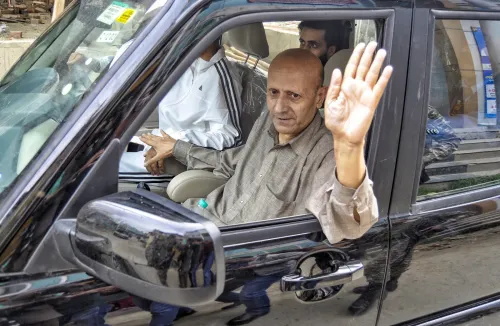
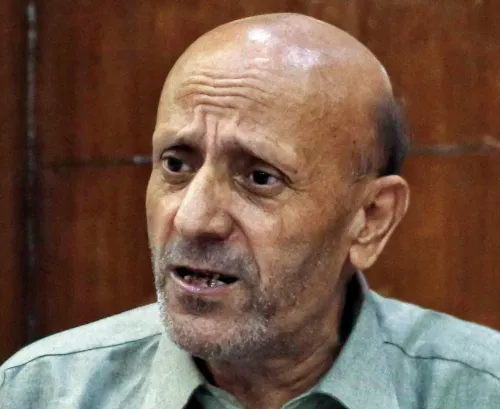
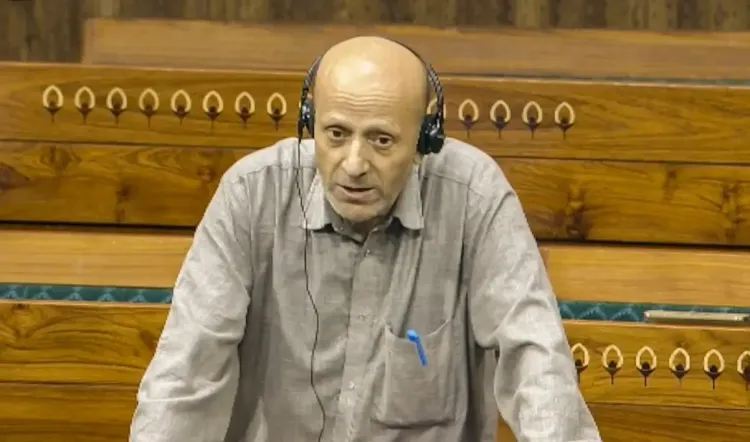
New Delhi, April 26: Baramulla MP Engineer Abdul Rashid Sheikh, currently lodged in Tihar Jail, has approached the Delhi High Court challenging a Patiala House Court order that denied him interim bail in a terror-funding case under investigation by the National Investigation Agency (NIA). The petition, filed on humanitarian grounds, seeks temporary relief to allow the jailed legislator to visit his father, who is currently hospitalised.
What Rashid Has Sought Before the Delhi High Court
The plea filed by Engineer Rashid directly contests the trial court's refusal to grant him interim relief. Following the lower court's rejection, his legal team escalated the matter to the Delhi High Court, seeking urgent judicial intervention on compassionate grounds.
The NIA, appearing through its counsel, opposed the grant of interim bail before the lower court, citing security concerns. However, the anti-terror agency indicated it was open to granting custody parole as an alternative, arguing that Rashid could meet his father and family members while remaining in custody — making full interim bail, in the agency's view, unnecessary.
NIA's Stand and the Custody Parole Alternative
The NIA's counsel submitted before the court that custody parole was a sufficient and secure mechanism for the Baramulla MP to fulfil his familial obligations without compromising the integrity of the ongoing terror-funding investigation. The agency stressed that releasing him on interim bail posed unacceptable security risks given the gravity of the charges.
This position reflects a pattern in high-profile undertrial cases where investigative agencies resist bail but offer supervised alternatives. Critics, however, argue that custody parole — which comes with logistical and financial burdens — is not a genuine substitute for the liberty that bail provides.
Background: Parliament Visits, Split Judgments, and Travel Cost Disputes
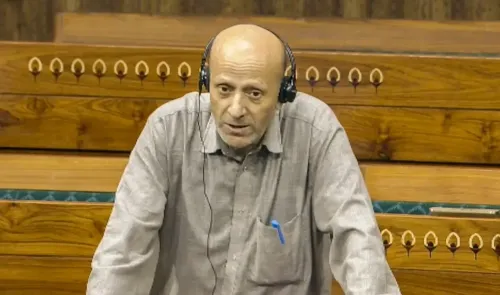
This is not the first time Engineer Rashid's custody arrangements have come under judicial scrutiny. In January 2025, the Patiala House Court granted him custody parole to attend the Budget Session of Parliament, enabling his participation in Lok Sabha proceedings while remaining under guard.
The court had, however, left open the question of who would bear the travel expenses incurred during his custody parole, making it subject to the outcome of his pending appeal before the Delhi High Court.
In November 2025, the Delhi High Court delivered a rare split verdict on Rashid's plea challenging the condition requiring him to pay nearly Rs 4 lakh towards travel and deployment costs for his parliamentary visits. Justice Vivek Chaudhary rejected the plea, while Justice Anup Jairam Bhambhani allowed it. The deadlock was referred to Chief Justice D.K. Upadhyaya for administrative directions.
Rashid's counsel had argued before the court that saddling an elected MP with daily custodial travel costs — including police personnel salaries — effectively barred him from representing his constituency. The defence contended that while Rashid was willing to bear reasonable expenses, incorporating police salaries violated the Delhi Prison Rules.
Delhi Police countered that the calculated amount covered deployment charges, logistics, and mandatory security arrangements required for escorting an undertrial MP to Parliament — costs they deemed non-negotiable.
The Bigger Picture: An Elected MP Behind Bars
Engineer Rashid won the 2024 Lok Sabha election from Baramulla while in judicial custody — a remarkable political feat that underscored his support base in Jammu and Kashmir. He defeated former Chief Minister Omar Abdullah, making his victory one of the most politically significant results of the general election.
His continued incarceration raises serious constitutional questions about the right of an elected representative to discharge parliamentary duties. The tension between national security imperatives — as argued by the NIA — and the democratic mandate of a sitting MP remains unresolved and is likely to set important legal precedents.
This case also highlights a broader pattern: India has seen multiple sitting legislators face criminal trials, but cases where MPs attend Parliament under custody parole remain exceedingly rare, placing this matter in uncharted legal territory.
What to Expect Next
The Delhi High Court is expected to hear Rashid's interim bail plea in the coming days. The outcome will not only determine whether he can visit his ailing father but could also influence how courts balance humanitarian considerations against national security in high-profile undertrial cases. The pending appeal on travel costs before Chief Justice D.K. Upadhyaya adds another layer of complexity to an already multi-pronged legal battle.
Point of View
Unable to freely attend Parliament or visit a dying parent, while the state argues security trumps humanity. The NIA's offer of custody parole as a substitute for bail reveals how the system uses procedural alternatives to avoid confronting harder questions about the rights of undertrial MPs. India has no clear legal framework for imprisoned legislators, and the Delhi High Court's ruling here could force one. More critically, the split verdict on travel costs exposes how financial conditions can be weaponised to restrict an elected representative — a precedent far more dangerous than any single case.
NationPress
19 Sept 2026
Frequently Asked Questions
Why has Engineer Rashid moved the Delhi High Court?
Engineer Rashid has approached the Delhi High Court to challenge a Patiala House Court order denying him interim bail in an NIA terror-funding case. He seeks temporary release on humanitarian grounds to visit his father, who is currently hospitalised.
What is the NIA terror-funding case against Engineer Rashid?
Engineer Rashid, the Baramulla MP, is accused in a terror-funding case being investigated by the National Investigation Agency (NIA). He has been in judicial custody in Tihar Jail and is facing trial before the Patiala House Court in New Delhi.
What is custody parole and how is it different from interim bail?
Custody parole allows a prisoner to leave jail temporarily for specific purposes while remaining under police escort and supervision, unlike interim bail which grants temporary freedom without constant custody. The NIA has offered custody parole to Rashid as an alternative to interim bail.
What was the split verdict in Engineer Rashid's Delhi High Court case?
In November 2025, the Delhi High Court delivered a split judgment on Rashid's plea challenging a condition requiring him to pay nearly Rs 4 lakh for travel and deployment costs during parliamentary visits. Justice Vivek Chaudhary rejected the plea while Justice Anup Jairam Bhambhani allowed it, and the matter was referred to Chief Justice D.K. Upadhyaya.
Has Engineer Rashid attended Parliament while in jail?
Yes, in January 2025, the Patiala House Court granted Rashid custody parole to attend the Budget Session of Parliament, allowing him to participate in Lok Sabha proceedings while under police custody. The question of who bears travel expenses during such visits remains pending before the Delhi High Court.