Lok Sabha adjourned over police action on NEET protesters' Parliament March
Synopsis
Parliament's lower house was brought to a standstill on 27 July as Opposition MPs demanded accountability for police action against NEET protesters at Jantar Mantar on 20 July. With the Education Minister already gone and a new anti-paper-leak bill on the table, the NEET crisis is now simultaneously a street battle, a parliamentary showdown, and a legislative test — all at once.
Key Takeaways
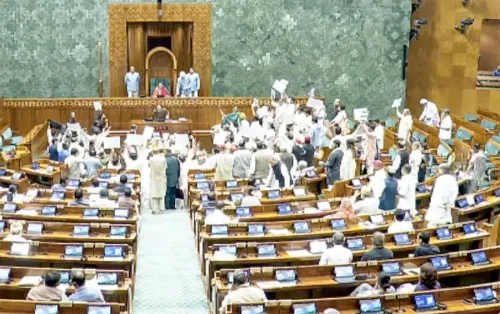
Lok Sabha was adjourned till noon on 27 July amid Opposition sloganeering over police action on NEET protesters.
Opposition MPs filed adjournment motion notices in both Houses over the 20 July crackdown at Jantar Mantar , calling it 'brutal, unprovoked, disproportionate'.
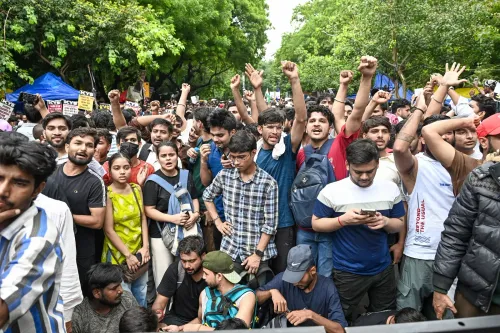
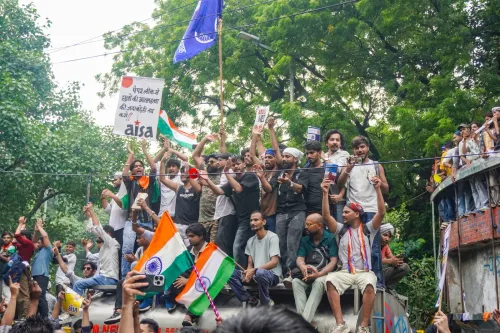
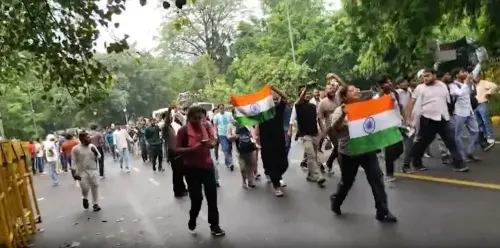
The 'Sansad Chalo' march, organised by the Cockroach Janta Party (CJP) , turned violent; both protesters and police personnel sustained serious injuries.
Union Education Minister Dharmendra Pradhan resigned on 25 July following sustained protest pressure.
The Public Examinations (Prevention of Unfair Means) Amendment Bill, 2026 was set to be introduced in Parliament on Monday.
Opposition MPs questioned whether the bill would deliver meaningful change, citing lack of accountability in previous paper leak cases.
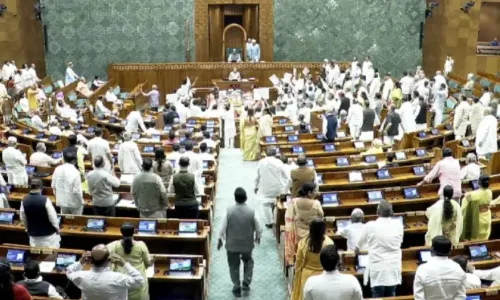
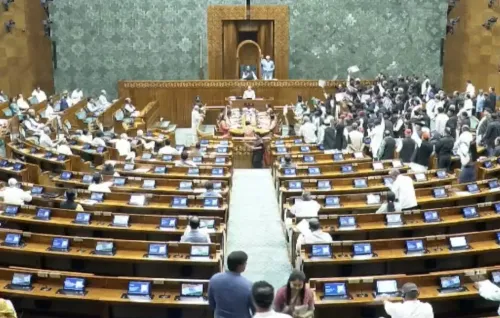
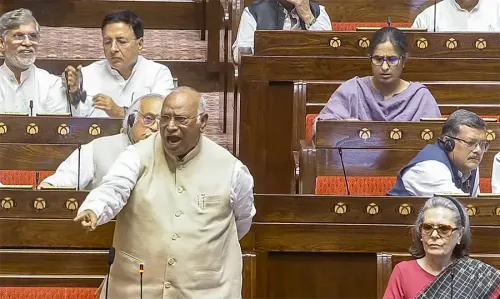
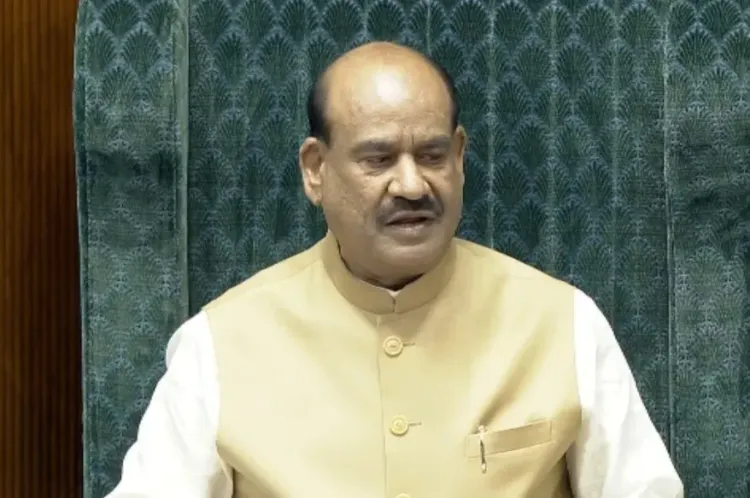
The Lok Sabha was adjourned till noon on Monday, 27 July after Opposition members disrupted proceedings with sloganeering over what they termed the use of 'lethal force' against student protesters during the Parliament March on 20 July. The adjournment came despite repeated appeals from Lok Sabha Speaker Om Birla to allow the Question Hour to proceed.
Opposition Demands and Adjournment Motions
Several Opposition members of Parliament submitted adjournment motion notices in both the Lok Sabha and the Rajya Sabha, seeking an immediate floor discussion on what they described as the 'brutal, unprovoked, disproportionate' use of force by Delhi Police and security personnel against students gathered at Jantar Mantar on 20 July. Opposition MPs also demanded a formal apology from the government over the police action before agreeing to allow normal business to resume.
The 'Sansad Chalo' Protest and Its Aftermath
The flashpoint was a large-scale demonstration dubbed 'Sansad Chalo', held in New Delhi on 20 July, in which hundreds of students participated in a march organised by the Cockroach Janta Party (CJP) against alleged NEET paper leaks and broader examination irregularities. The demonstration subsequently turned violent, prompting security personnel to use force to disperse the crowd. Several protesters as well as police personnel sustained serious injuries during the clashes, according to reports.
The protests had also included demands for the resignation of Union Education Minister Dharmendra Pradhan, who subsequently tendered his resignation on 25 July.
Government's Legislative Response
The Central government was set to introduce the Public Examinations (Prevention of Unfair Means) Amendment Bill, 2026, in Parliament on Monday as part of its stated effort to strengthen the legal framework against paper leaks and examination malpractices. The bill is positioned as a direct legislative response to the NEET controversy that has roiled the education sector.
Opposition Scepticism Over the Bill
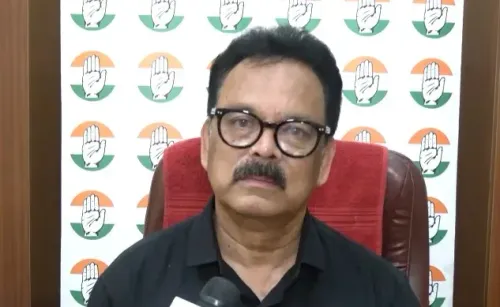
Several Opposition MPs expressed scepticism over the proposed legislation, arguing that stricter laws alone would not prevent paper leaks. Critics alleged that the government has failed to ensure accountability in previous examination irregularity cases and questioned whether the proposed amendments would produce any meaningful change. Opposition members also noted that comparable legal provisions already exist, and pointed to what they called an absence of effective prosecution of those responsible for earlier paper leak incidents.
What Happens Next
With the House adjourned and Opposition pressure mounting, the government faces a dual challenge: steering the Amendment Bill through a disrupted Parliament while addressing demands for accountability over the police action on 20 July. The trajectory of proceedings when the House reconvened at noon on Monday was being closely watched by student groups and political observers alike.
Point of View
No bill will quiet the streets or the Opposition benches.
NationPress
27 Jul 2026
Frequently Asked Questions
Why was the Lok Sabha adjourned on 27 July 2026?
The Lok Sabha was adjourned till noon on 27 July because Opposition MPs disrupted proceedings with sloganeering over the alleged use of 'lethal force' by Delhi Police against NEET protesters at Jantar Mantar on 20 July. Speaker Om Birla's repeated requests to allow Question Hour to proceed were not heeded.
What was the 'Sansad Chalo' protest about?
The 'Sansad Chalo' march, held in New Delhi on 20 July, was a large student demonstration organised by the Cockroach Janta Party (CJP) against alleged NEET paper leaks and examination irregularities. The protest later turned violent, resulting in serious injuries to both protesters and police personnel.
Why did Dharmendra Pradhan resign?
Union Education Minister Dharmendra Pradhan tendered his resignation on 25 July following sustained pressure from student protesters and Opposition parties who held him accountable for the NEET paper leak controversy and examination irregularities.
What is the Public Examinations (Prevention of Unfair Means) Amendment Bill, 2026?
It is a proposed piece of legislation that the Central government was set to introduce in Parliament on 27 July to strengthen the legal framework against paper leaks and examination malpractices. Opposition MPs have expressed scepticism, arguing that similar provisions already exist and that the government has not effectively pursued accountability in past cases.
Who is affected by the NEET paper leak controversy?
The controversy primarily affects students who appeared for the NEET examination and whose results or opportunities may have been compromised by alleged paper leaks. It has also triggered wider political consequences, including a ministerial resignation and parliamentary disruptions.