CM Fadnavis Calls for Skill Development of Swachhata Doots
Synopsis
Chief Minister Devendra Fadnavis on 27 July 2026 directed skill development for Swachhata Doots — Maharashtra's grassroots cleanliness ambassadors under Swachh Bharat Mission — with Nagpur as the focal point, signalling a push to professionalise community sanitation workers.
Key Takeaways
The Chief Minister's Office of Maharashtra on 27 July 2026 shared a directive from CM Devendra Fadnavis calling for skill development of Swachhata Doots .
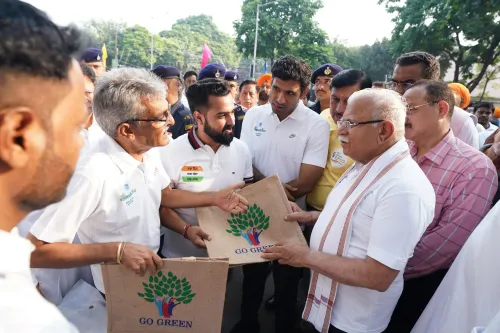
Swachhata Doots are community cleanliness ambassadors deployed under the Swachh Bharat Mission , launched nationally in 2014 .
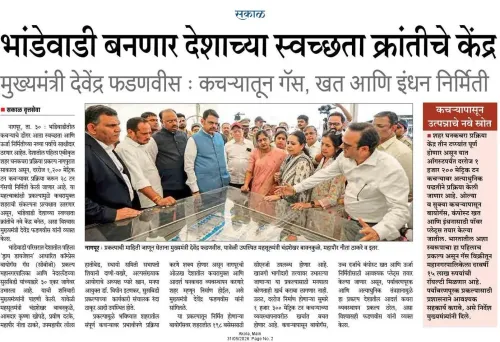
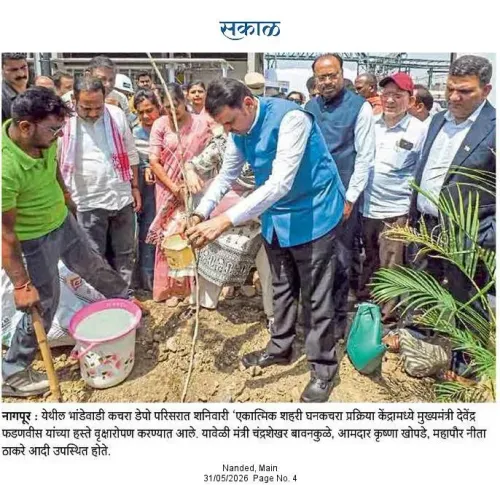
The communication is linked to Nagpur , Maharashtra's winter capital and a recurring pilot site for urban governance schemes.
Maharashtra previously integrated skill-development missions with sanitation roles between 2015 and 2019 under the first Fadnavis government.
A formalised skill pathway for Swachhata Doots could benefit youth volunteers, urban local bodies , and sanitation workers seeking certified employment.
Rollout of training modules across Nagpur Municipal Corporation wards and state budget allocation will be key indicators of implementation.
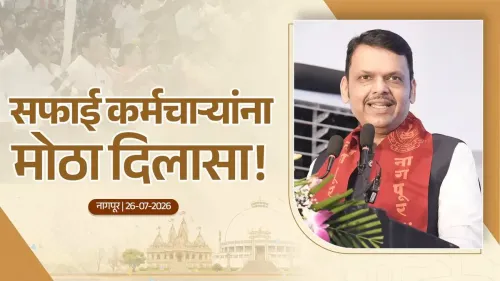
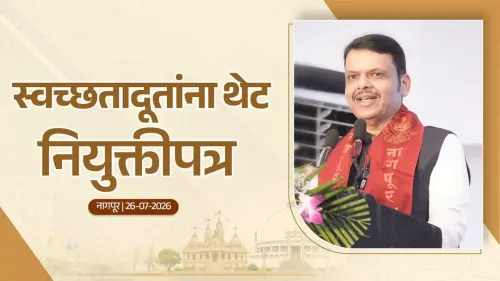
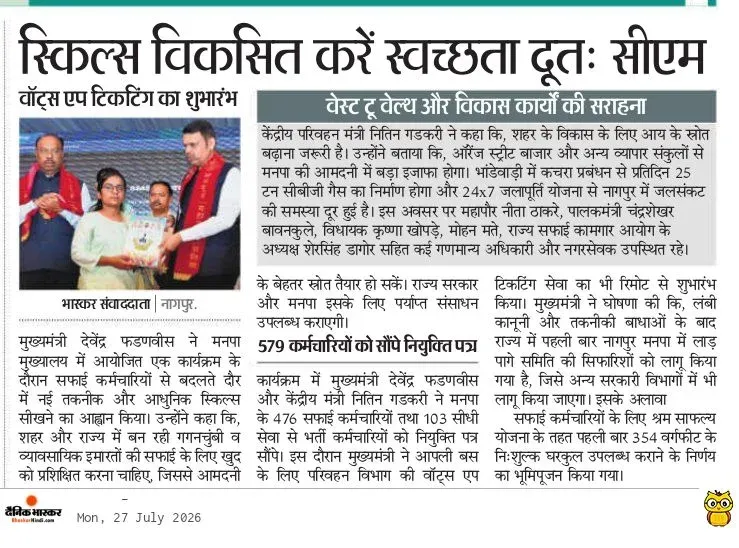
The Chief Minister's Office of Maharashtra on Monday, 27 July 2026 shared a directive from Chief Minister Devendra Fadnavis calling for skill development among Swachhata Doots — the cleanliness ambassadors deployed under the Swachh Bharat Mission — with the communication linked to Nagpur, the state's winter capital.
The post, shared from the official CMO Maharashtra account, carried the message 'Skills Viksit Karein Swachhata Doot' ('Develop skills, Swachhata Doots'), attributed directly to Chief Minister Devendra Fadnavis. The directive underscores the state government's push to professionalise community-level sanitation workers rather than treat them as informal volunteers.
Context
Swachhata Doots are community-level cleanliness ambassadors who work at the grassroots under the Swachh Bharat Mission, India's flagship sanitation programme launched in 2014. Their role spans awareness drives, waste segregation guidance, and behaviour-change communication at the ward level. Until now, much of this work has been carried out without formal vocational certification or structured skill pathways.
CM Fadnavis's call to 'develop skills' signals an intent to bring these volunteers into a structured training framework, potentially linking them to certified vocational modules under Maharashtra's skill-development ecosystem.
Policy Backdrop
Maharashtra expanded its skill-development missions between 2015 and 2019 under the first Fadnavis government, explicitly linking vocational training to municipal and sanitation roles. That convergence — combining the Swachh Bharat Abhiyan with state skill missions — created employment pathways for youth in urban local bodies across the state.
Nagpur, as Maharashtra's winter capital and a recurring pilot location for urban governance experiments, has hosted several such combined initiatives. The city's municipal corporation has previously been used to test integrated sanitation and skill models before state-wide rollout.
Stakeholders and Impact
The primary beneficiaries of this directive are youth volunteers currently serving as Swachhata Doots, urban local bodies that coordinate their deployment, and sanitation workers seeking formal recognition and career progression. Formalising skill training for this cohort could open access to government certification, better wages, and long-term employment within municipal systems.
Maharashtra's approach mirrors a broader national pattern since 2015, where several states have sought to professionalise Swachh Bharat's ground-level workforce rather than rely solely on voluntary participation. A certified Swachhata Doot cadre would also strengthen accountability in solid waste management at the ward level.
What's Next
Attention will now turn to whether the Nagpur Municipal Corporation rolls out certified training modules across its wards and whether the next state skill-development plan includes a dedicated budget line for Swachhata Doot upskilling. A formal programme announcement or partnership with Maharashtra's skill development authority would be the next concrete signal of follow-through.
If the model proves successful in Nagpur, it could be replicated across Maharashtra's other major urban centres, reinforcing the state's standing as a leader in integrating sanitation policy with vocational employment.
Point of View
Pointing toward a structured programme rather than a one-off event. The move also reflects a broader national rethink of Swachh Bharat's ground workforce: volunteerism alone has limits, and certified, paid sanitation ambassadors offer stronger accountability. Whether this translates into budgeted modules or remains an aspirational directive will define its actual policy weight.
NationPress
27 Jul 2026
Frequently Asked Questions
Who are Swachhata Doots in Maharashtra?
Swachhata Doots are community-level cleanliness ambassadors who work at the grassroots under the Swachh Bharat Mission, conducting awareness drives, promoting waste segregation, and encouraging sanitation behaviour change at the ward level.
What did CM Devendra Fadnavis say about Swachhata Doots?
On 27 July 2026 , CM Devendra Fadnavis called for skill development among Swachhata Doots, urging that these cleanliness ambassadors be equipped with structured vocational training to professionalise their sanitation work.
What is the Swachh Bharat Mission?
The Swachh Bharat Mission is India's flagship national sanitation programme launched in 2014 to eliminate open defecation and improve solid waste management across urban and rural areas.
Why is Nagpur significant for Maharashtra's sanitation schemes?
Nagpur, Maharashtra's winter capital, has repeatedly served as a pilot location for combined urban governance and skill-development initiatives, making it a natural base for rolling out new Swachhata Doot training programmes.
How does Maharashtra link skill development with sanitation?
Between 2015 and 2019 , Maharashtra under the first Fadnavis government expanded skill-development missions that explicitly linked vocational training to municipal and sanitation roles, creating employment pathways for youth within urban local bodies.