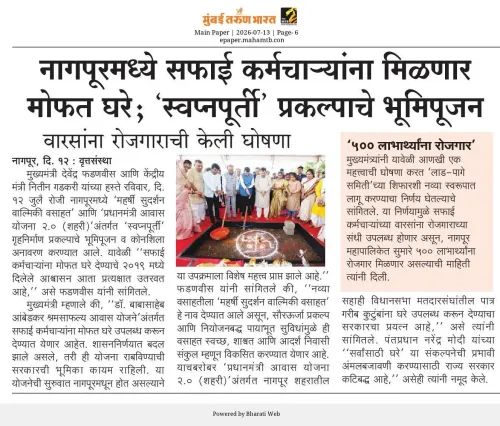
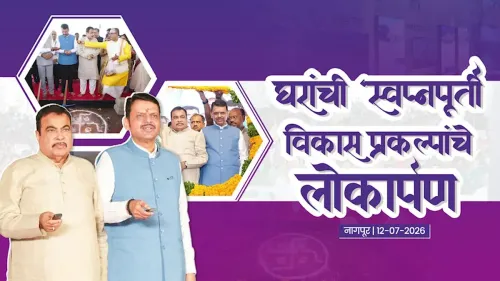
CM Fadnavis Issues Appointment Letters to Sanitation Workers in Nagpur
Synopsis
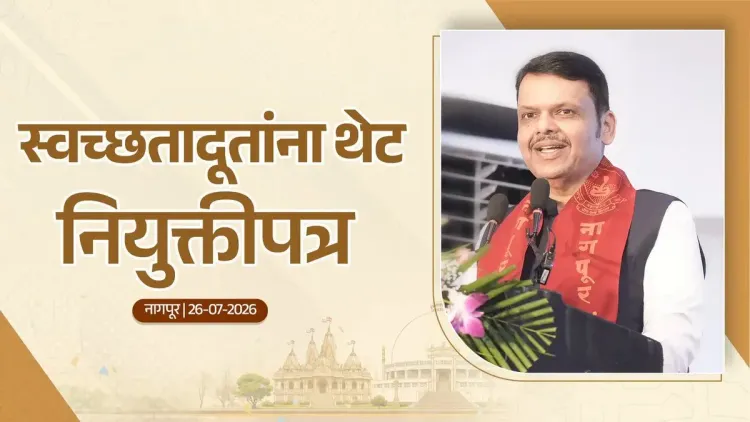
Maharashtra CM Devendra Fadnavis on 26 July 2026 distributed formal appointment letters to sanitation workers in Nagpur, invoking the Lad-Page Committee's recommendations and claiming a national first, while also launching a WhatsApp-based civic ticketing service.
Key Takeaways
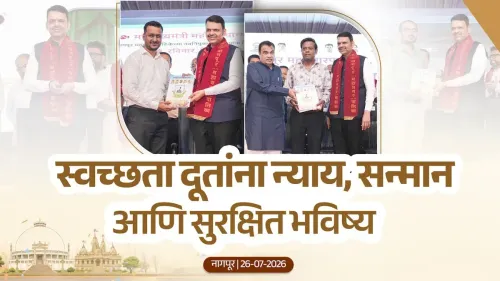
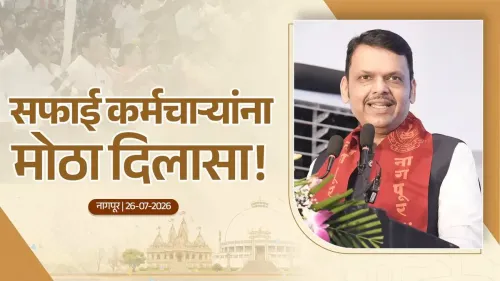
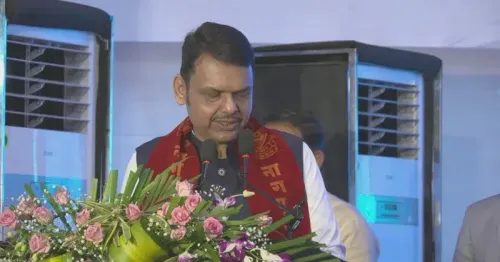
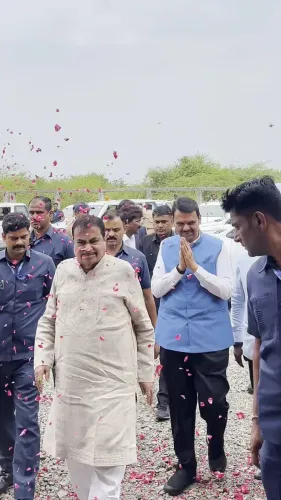
Maharashtra CM Devendra Fadnavis presided over an appointment-letter distribution ceremony for sanitation workers in Nagpur on 26 July 2026 .
The letters were issued in accordance with the recommendations of the Lad-Page Committee , a state-level body whose mandate covers sanitation workforce welfare.
Fadnavis described the move as a first in the country's history , posting the claim in both Marathi and Hindi on X.
A WhatsApp ticketing service for civic utilities was simultaneously launched in Nagpur at the same event.
Formal appointment letters grant sanitation workers access to provident fund, gratuity, and defined service benefits previously unavailable to contractual staff.
The next key question is whether the initiative will be extended to other Maharashtra municipal corporations beyond Nagpur.
Maharashtra Chief Minister Devendra Fadnavis on Sunday, 26 July 2026, presided over a formal appointment-letter distribution ceremony for sanitation workers in Nagpur, declaring the move a first-of-its-kind action in the country's history, carried out in accordance with the recommendations of the Lad-Page Committee. The event also saw the launch of a WhatsApp ticketing service for civic utilities in the city.
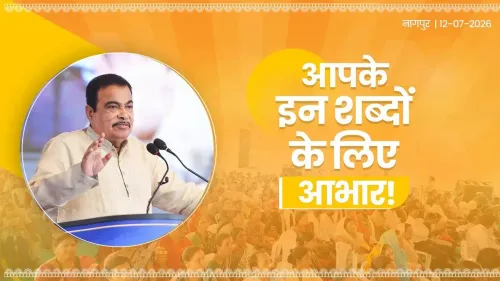
Posting on X in both Marathi and Hindi, Fadnavis stated: 'देशाच्या इतिहासात प्रथमच लाड-पागे समितीच्या शिफारशींनुसार आम्ही सफाई कामगारांना नियुक्तीपत्रे दिली' — 'For the first time in the history of the country, in accordance with the recommendations of the Lad-Page Committee, we have provided appointment letters to sanitation workers.' The bilingual post underscored the state government's intent to communicate the announcement to both Marathi- and Hindi-speaking audiences across Maharashtra.
Context
Safai karmacharis — sanitation and cleaning workers employed by municipal bodies — have long been engaged on contractual or informal terms, often without formal appointment letters, job security, or access to pension and service benefits. The issuance of formal appointment letters is considered a significant step towards regularising their employment status and granting them the same protections available to permanent municipal employees.
The ceremony was held at Nagpur, which serves as the winter capital of Maharashtra and a key administrative hub for eastern Maharashtra. The simultaneous launch of a WhatsApp-based ticketing service at the same event signals a broader push to digitise civic service delivery in the city.
Policy Backdrop
The formalisation of sanitation workers sits within a larger national policy framework. The Prohibition of Employment as Manual Scavengers and their Rehabilitation Act, 2013, mandated the rehabilitation of manual scavengers and the elimination of hazardous cleaning practices across India, pushing states to bring municipal sanitation workforce under formal employment structures.
Since the 2010s, several Indian states have moved — at varying pace — to regularise long-serving contractual sanitation workers, driven by a combination of court directives, central government campaigns, and worker-union pressure. Maharashtra's action, attributed specifically to the Lad-Page Committee's recommendations, represents a structured, committee-driven approach to this regularisation, distinguishing it from ad hoc state-level measures seen elsewhere.
Stakeholders and Impact
Sanitation workers receiving formal appointment letters stand to gain access to provident fund contributions, gratuity, medical benefits, and defined service conditions — entitlements that contractual status typically denies them. For municipal bodies in Maharashtra, the move implies an expanded permanent payroll and corresponding budgetary obligations.
The WhatsApp ticketing service launched alongside the appointment ceremony is aimed at residents of Nagpur, offering a digital channel to raise civic complaints or service requests — a step that could reduce friction in citizen-municipality interaction if rolled out effectively across the city's wards.
What's Next
Attention will now turn to whether the appointment-letter drive extends beyond Nagpur to other Maharashtra municipal corporations, including Mumbai, Pune, Thane, and Nashik, each of which employs a substantial sanitation workforce. The state government will also be expected to outline the budgetary provision required to absorb newly regularised workers into permanent payrolls.
Verification of the full scope of the Lad-Page Committee's recommendations — and the legislative or administrative instruments needed to implement them statewide — will determine whether this announcement marks a durable policy shift or a city-specific initiative. The WhatsApp ticketing service will face scrutiny on its rollout timeline and coverage across Nagpur's municipal wards before any expansion is considered.
Point of View
With the Lad-Page Committee framework lending institutional legitimacy to what might otherwise appear a routine administrative step. By framing it as a national first, Fadnavis is staking a reputational claim that invites scrutiny — the assertion will be tested as details of the committee's scope and the actual number of beneficiaries emerge. The simultaneous launch of the WhatsApp ticketing service signals an effort to bundle welfare optics with digital-governance branding in a single event. Whether the move translates into a statewide regularisation drive or remains a Nagpur-centric announcement will define its real policy weight.
NationPress
25 Oct 2026
Frequently Asked Questions
What are the Lad-Page Committee recommendations for sanitation workers in Maharashtra?
The Lad-Page Committee is a Maharashtra state-level body whose recommendations relate to the welfare and service conditions of sanitation workers. CM Fadnavis cited its recommendations as the basis for issuing formal appointment letters to safai karmacharis, though the full scope of its report has not yet been made public in detail.
What does an appointment letter mean for sanitation workers in Maharashtra?
A formal appointment letter regularises a sanitation worker's employment status, entitling them to provident fund contributions, gratuity, medical benefits, and defined service conditions — protections typically unavailable to those engaged on a contractual or informal basis.
What is the WhatsApp ticketing service launched in Nagpur?
The WhatsApp ticketing service is a digital civic tool launched in Nagpur on 26 July 2026 that allows residents to raise complaints or service requests with the municipal body through WhatsApp, aiming to simplify citizen-municipality communication.
Is Maharashtra the first state to give appointment letters to safai karmacharis?
CM Fadnavis claimed the move is a first in the country's history, based on the Lad-Page Committee framework. However, several other Indian states have previously taken steps to regularise contractual sanitation workers, and the specific basis for the 'national first' claim has not been independently verified.
Will sanitation workers across all of Maharashtra get appointment letters?
The 26 July 2026 ceremony was held in Nagpur. The state government has not yet announced a confirmed timeline or mechanism for extending the appointment-letter distribution to other Maharashtra municipal corporations such as Mumbai, Pune, or Thane.