CM Fadnavis Cabinet Clears Water Supply & Sanitation Moves
Synopsis
The Chief Minister's Office of Maharashtra announced cabinet decisions on the Water Supply and Sanitation Department on 16 June 2026, under CM Devendra Fadnavis. The move is part of ongoing state efforts to expand drinking water access and sanitation infrastructure, aligned with central missions such as Jal Jeevan Mission and Swachh Bharat Mission.
Key Takeaways
The Maharashtra cabinet chaired by CM Devendra Fadnavis took decisions on the Water Supply and Sanitation Department on 16 June 2026 .
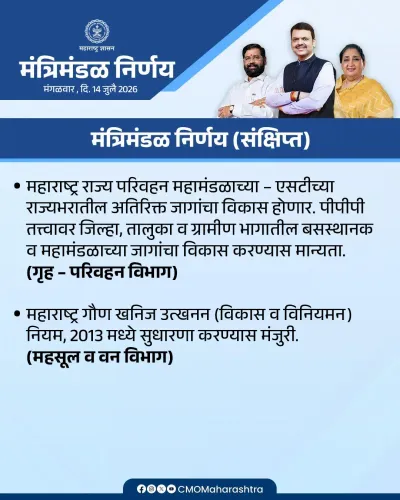
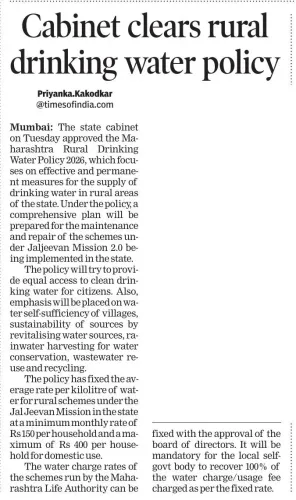
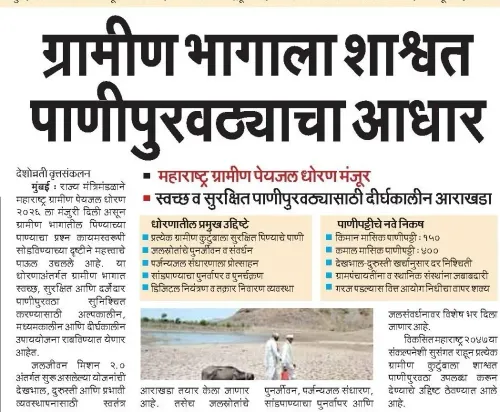
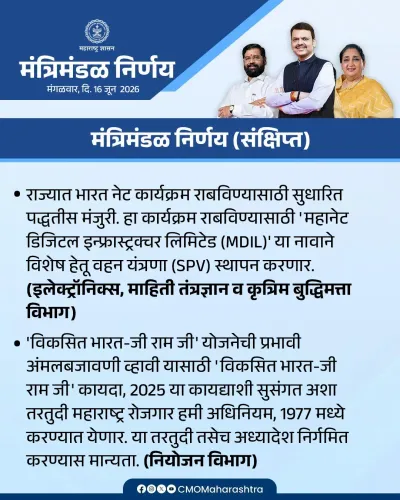
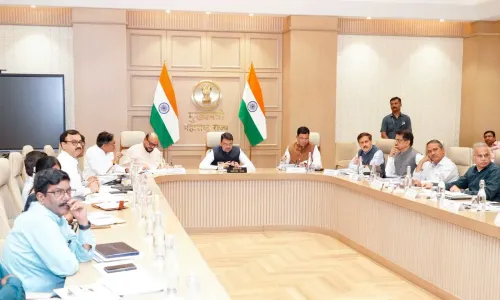
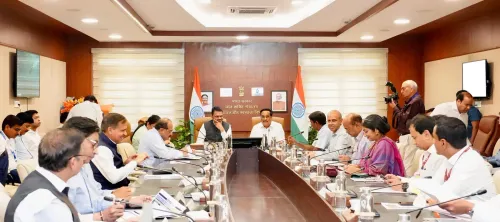
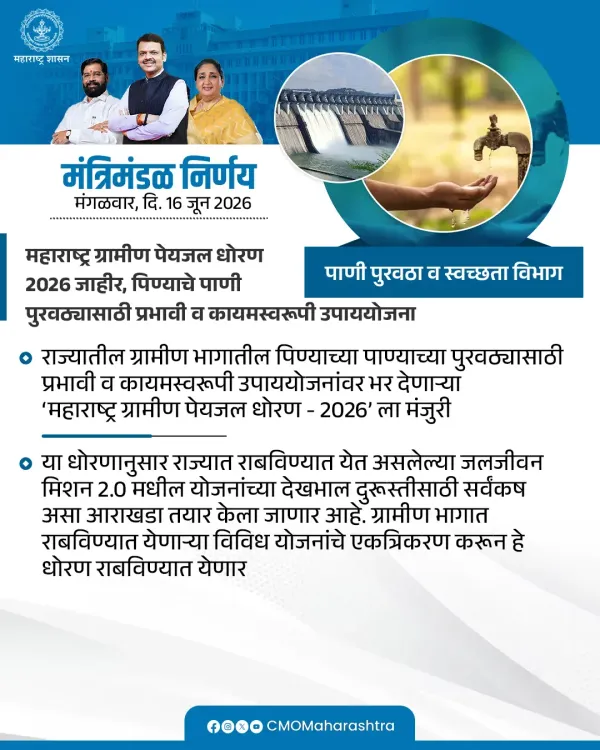
The Chief Minister's Office announced the decisions via an official post on X, accompanied by four images from the cabinet session.
The Water Supply and Sanitation Department oversees drinking water and sanitation projects across Maharashtra's 36 districts .
Maharashtra has been implementing the Jal Jeevan Mission and Swachh Bharat Mission , both central government schemes targeting rural water access and sanitation.
Formal government orders detailing specific project approvals and budget allocations are expected to follow the cabinet meeting.
Rural households in Marathwada and Vidarbha , and urban local bodies, are the primary stakeholders likely to be affected by the decisions.
The Chief Minister's Office of Maharashtra announced on Tuesday, 16 June 2026 that the state cabinet, led by Chief Minister Devendra Fadnavis, has taken decisions pertaining to the Water Supply and Sanitation Department, signalling continued administrative focus on drinking water access and hygiene infrastructure across the state.
Context
The official post from the Chief Minister's Office, captioned 'मंत्रिमंडळ निर्णय : पाणी पुरवठा व स्वच्छता विभाग' ('Cabinet Decision: Water Supply and Sanitation Department'), was shared alongside four images from the cabinet meeting. The announcement is part of a series of cabinet-decision communications the office routinely publishes after ministerial sessions chaired by CM Fadnavis.
The Water Supply and Sanitation Department is the nodal Maharashtra government body overseeing drinking water schemes and sanitation projects for both rural and urban populations. Cabinet-level approvals from this department typically cover project sanctions, funding releases, and administrative clearances for ongoing infrastructure work.
Policy Backdrop
Maharashtra has been an active participant in centrally sponsored programmes targeting water and sanitation. The state aligned with the Swachh Bharat Mission from 2015 onwards to expand rural sanitation coverage, and has since integrated those efforts with the Jal Jeevan Mission, the national scheme aimed at providing functional household tap connections to every rural home.
Cabinet approvals in this domain have recurred periodically across administrations, reflecting the scale of infrastructure still required across Maharashtra's 36 districts and tens of thousands of villages. Such decisions generally involve administrative sanctions rather than new policy frameworks, channelling funds and authorisations toward projects already in the pipeline.
Stakeholders and Impact
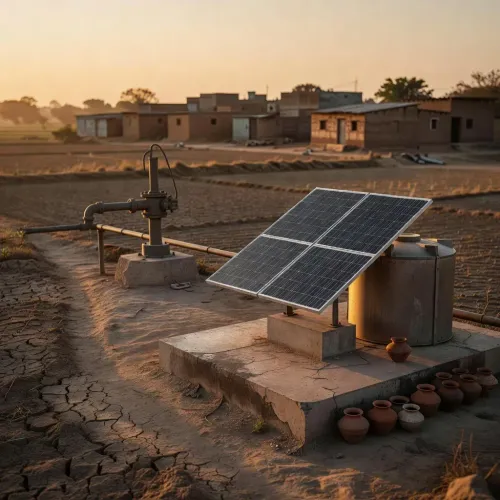
The primary beneficiaries of Water Supply and Sanitation Department decisions are rural households dependent on government-built water infrastructure, as well as urban local bodies responsible for municipal water networks. Communities in water-stressed regions of Marathwada and Vidarbha have historically been among the most affected by gaps in supply.
Sanitation-related approvals also affect women and girls disproportionately, as access to household toilets and clean water directly influences health outcomes, school attendance, and safety. Advocacy groups and gram panchayats watch such cabinet decisions closely for project-level allocations relevant to their regions.
What's Next
Formal government orders and departmental press releases are expected to follow the cabinet session, detailing the specific projects approved, financial allocations, and implementation timelines. District-level water authorities and contractors will look to those orders for operational guidance.
With Maharashtra's monsoon season under way by mid-June, the timing of any infrastructure clearances will influence the pace of ground-level work, as heavy rainfall typically constrains construction activity in rural areas. Observers will watch whether the decisions translate into accelerated tap-connection targets under the Jal Jeevan Mission or address legacy gaps in urban water distribution.
Point of View
But they are a reliable indicator of where a state government is directing administrative energy. For the Fadnavis-led Maharashtra government, consistent approvals in this sector signal an intent to keep pace with central mission targets — particularly the Jal Jeevan Mission's household tap-connection goals — ahead of potential performance reviews by New Delhi. The timing, at the onset of the monsoon, is also politically significant: rural Maharashtra's experience of water scarcity during dry months keeps the issue electorally salient. How quickly the approved decisions translate into on-ground progress will determine whether this cabinet action is remembered as routine administration or a meaningful acceleration of the state's infrastructure agenda.
NationPress
16 Sept 2026
Frequently Asked Questions
What did the Maharashtra cabinet decide on 16 June 2026?
The Maharashtra cabinet, chaired by Chief Minister Devendra Fadnavis, took decisions relating to the Water Supply and Sanitation Department on 16 June 2026. The specific project approvals and financial details are expected to be outlined in formal government orders issued after the meeting.
What is the Maharashtra Water Supply and Sanitation Department?
It is the Maharashtra state government department responsible for planning, funding, and executing drinking water supply schemes and sanitation infrastructure across rural and urban areas of the state.
How does the Jal Jeevan Mission relate to Maharashtra cabinet decisions?
The Jal Jeevan Mission is a central government scheme aimed at providing tap water connections to every rural household. Maharashtra's Water Supply and Sanitation Department is the key implementing agency, and cabinet approvals often pertain to project sanctions and fund releases under this mission.
Who is Devendra Fadnavis?
Devendra Fadnavis is the Chief Minister of Maharashtra. He leads the state cabinet and has overseen governance decisions across development sectors including water supply, infrastructure, and urban development.
What is Swachh Bharat Mission and how is Maharashtra involved?
Swachh Bharat Mission is a national programme launched in 2014 to improve sanitation across India. Maharashtra aligned with the mission from 2015, working to expand rural toilet coverage and improve sanitation outcomes, with the Water Supply and Sanitation Department as the nodal body.