Maharashtra Cabinet Backs Sustainable Rural Water Supply
Synopsis
The Chief Minister's Office of Maharashtra announced a cabinet decision on 17 June 2026 to establish sustainable water supply for rural areas, tagging CM Devendra Fadnavis. The move builds on years of state and central water security programmes targeting drought-prone villages across Marathwada and Vidarbha.
Key Takeaways
The Chief Minister's Office of Maharashtra announced a cabinet decision on 17 June 2026 to support sustainable water supply in rural areas.
Chief Minister Devendra Fadnavis was directly tagged in the official announcement, indicating his personal ownership of the initiative.
The decision aligns with the central government's Jal Jeevan Mission and the state's own history of water conservation programmes including Jalyukt Shivar Abhiyan (launched 2015).
Primary beneficiaries include rural households, farmers in rainfed areas , and women who bear the burden of water collection in water-scarce villages.
Specific project names, funding figures, and district-level targets are yet to be officially detailed following the cabinet decision.
Implementation will depend on gram panchayats as last-mile delivery partners, with monsoon timing adding urgency to rollout planning.
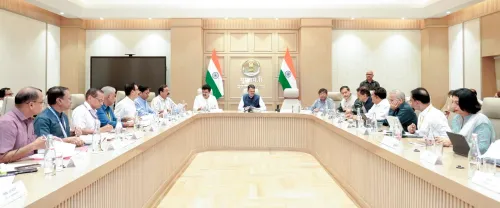
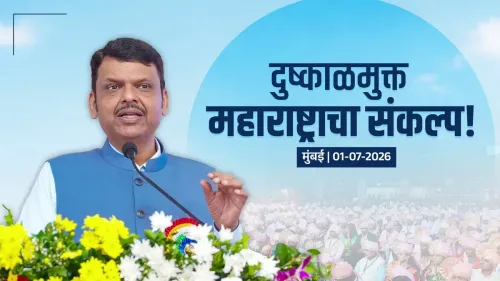
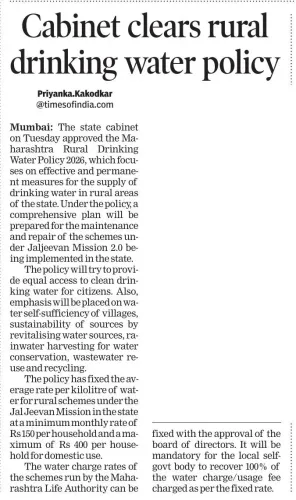
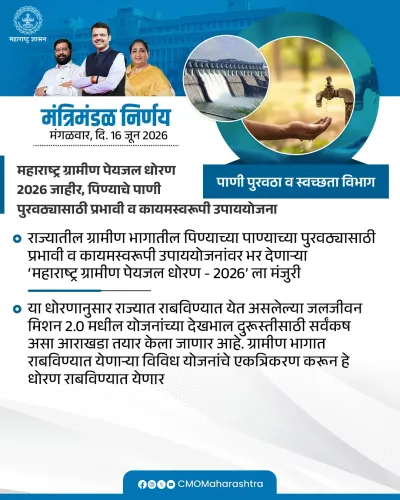
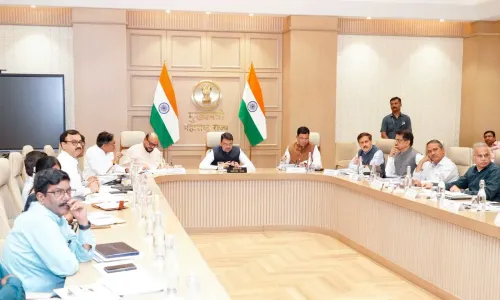
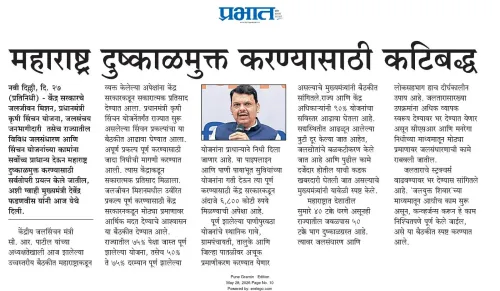
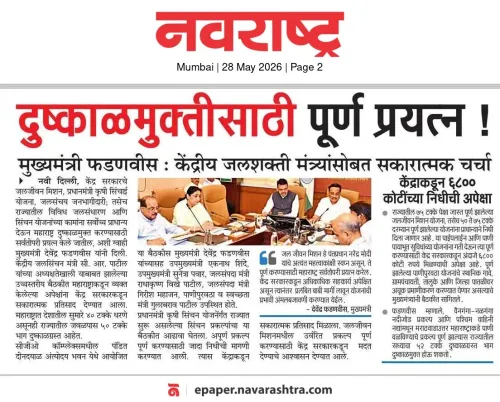
The Chief Minister's Office of Maharashtra announced on Wednesday, 17 June 2026 that the state cabinet has taken a decision to provide sustainable water supply to rural areas, tagging Chief Minister Devendra Fadnavis in the official post. The announcement, shared under the hashtag #CabinetDecision, signals a fresh policy push to address chronic water insecurity in the state's villages.
Context
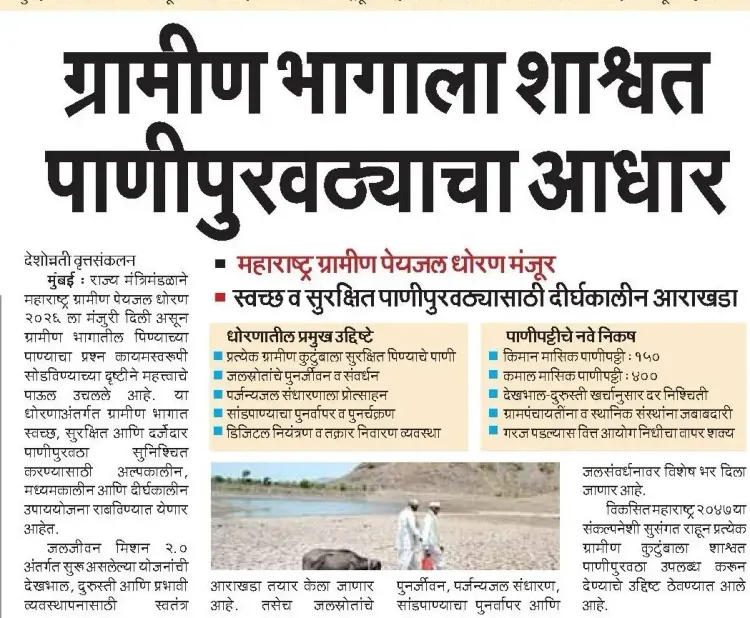
The post, written in Marathi, reads: 'ग्रामीण भागाला शाश्वत पाणीपुरवठ्याचा आधार' — meaning 'A foundation of sustainable water supply for rural areas.' The brevity of the announcement is characteristic of cabinet decision communications from the CMO, which typically precede detailed press briefings outlining scheme specifics, budget allocations, and coverage targets.
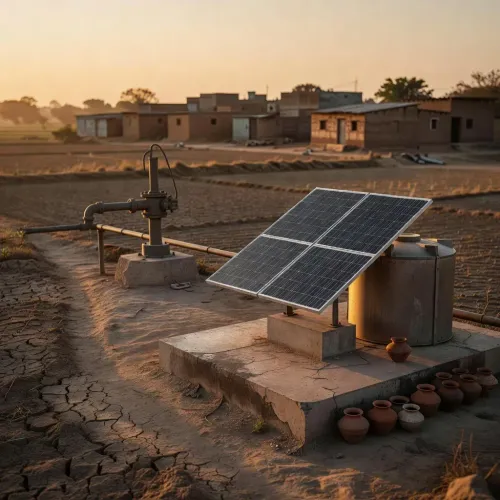
Maharashtra has long grappled with rural water scarcity, particularly in rain-shadow districts of Marathwada and Vidarbha, where tanker dependency peaks during summer months. A cabinet-level decision on sustainable supply indicates a structural, rather than emergency, intervention.
Policy Backdrop
The current initiative builds on a layered policy history. The state's Jalyukt Shivar Abhiyan, launched in 2015, created thousands of water conservation structures across drought-prone villages, aiming to make them water-neutral. That programme demonstrated both the scale of the challenge and the administrative capacity needed to address it.
At the national level, the Jal Jeevan Mission — the central government's flagship scheme to provide tap water connections to every rural household — has provided a funding and infrastructure backbone that state governments, including Maharashtra, have supplemented with their own mechanisms. Decisions of this nature typically involve state co-funding, district-wise implementation plans, and convergence with watershed development programmes.
Chief Minister Devendra Fadnavis has across multiple terms prioritised rural infrastructure and water security as core governance planks, making this cabinet move consistent with his administration's stated development agenda.
Stakeholders and Impact
The primary beneficiaries of any sustainable rural water supply decision are rural households and farmers in rainfed areas, who bear the greatest burden of seasonal water stress. For farmers, reliable water access reduces crop-loss risk and reduces expenditure on privately sourced water during dry spells.
Village-level self-governance bodies — gram panchayats — are typically the implementation partners for last-mile delivery, meaning the decision's success will depend significantly on their administrative and financial capacity. Women and children, who disproportionately bear the labour of water collection in water-scarce villages, stand to gain the most from piped or proximate supply.
What's Next
Rollout timelines, district-level coverage targets, and specific budget allocations are expected to be detailed in the official cabinet resolution and subsequent departmental orders. Observers will watch whether the decision introduces new scheme architecture or channels funds through existing central-state frameworks.
With the monsoon season approaching, any announcement on aquifer recharge or watershed infrastructure would need to be actioned quickly to leverage seasonal rainfall. The coming weeks will reveal whether this cabinet decision translates into on-ground tenders, contractor appointments, and gram sabha consultations that mark real implementation momentum.
Point of View
Though light on specifics in its initial announcement, fits a well-established pattern of Maharashtra governments using high-visibility policy signals ahead of detailed scheme rollouts — a sequencing that builds political momentum before administrative machinery kicks in. For Fadnavis, water security is not merely a welfare issue but a political necessity in Marathwada and Vidarbha, regions that have historically swung elections on agrarian distress. The convergence of state initiative with the Jal Jeevan Mission framework also reflects a broader trend of states layering their own branding onto centrally-funded infrastructure to maximise both coverage and political credit. The real test will be whether this announcement is backed by time-bound targets and independent monitoring, or remains another aspirational headline.
NationPress
16 Sept 2026
Frequently Asked Questions
What did the Maharashtra cabinet decide about rural water supply on 17 June 2026?
The Maharashtra cabinet approved a decision to provide sustainable water supply to rural areas, as announced by the Chief Minister's Office on 17 June 2026. Specific project details and funding figures are yet to be officially released.
What is the Jal Jeevan Mission and how does it relate to Maharashtra's rural water decision?
Jal Jeevan Mission is the central government's flagship scheme to provide tap water connections to every rural household in India. Maharashtra's cabinet decision on sustainable rural water supply is expected to build on this framework with additional state-level funding and implementation mechanisms.
What was Jalyukt Shivar Abhiyan in Maharashtra?
Jalyukt Shivar Abhiyan was a Maharashtra government programme launched in 2015 to create water conservation structures across drought-prone villages, aiming to make them water-neutral. It is part of the policy lineage that informs current rural water security decisions.
Which regions of Maharashtra face the worst rural water scarcity?
Marathwada and Vidarbha are the most severely affected regions, where rain-shadow geography and rainfed agriculture combine to create chronic tanker dependency during summer months. These areas are typically the primary focus of rural water supply schemes.
Who benefits from Maharashtra's sustainable rural water supply cabinet decision?
Rural households, farmers in rainfed areas, and particularly women and children who bear the labour of water collection are the primary beneficiaries. Gram panchayats serve as the last-mile delivery partners responsible for implementation at the village level.