Lok Sabha passes Appropriation Bill amid Opposition uproar in Monsoon Session
Synopsis
The Lok Sabha cleared the Appropriation (No. 3) Bill, 2026 by voice vote on 4 August — but without debate, drowned out by Opposition protests over Ram Mandir donation allegations, Jantar Mantar police action, and the NEET paper leak. A day earlier, a Supreme Court judges-strength Bill met the same fate. Parliament's Monsoon Session is increasingly becoming a theatre of disruption over substantive legislation.
Key Takeaways
The Lok Sabha passed the Appropriation (No.
3) Bill, 2026 by voice vote on 4 August 2026 , covering excess spending for the financial year ended 31 March 2023 .
Finance Minister Nirmala Sitharaman introduced the Taxation and Other Laws (Amendment) Bill , proposing changes to three existing laws.
Opposition protests centred on alleged Ram Mandir donation embezzlement , Jantar Mantar police action on 20 July , and the Cauvery water dispute .
The NEET paper leak controversy has been a parallel trigger for disruptions throughout the Monsoon Session .
On Monday , the Lok Sabha also passed a Supreme Court judges-strength Bill without discussion amid similar protests.
The BJP accused Congress and allies of deliberately blocking parliamentary business.
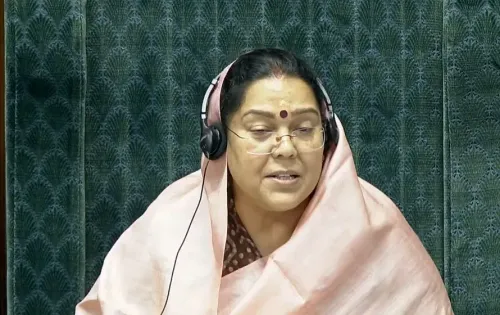
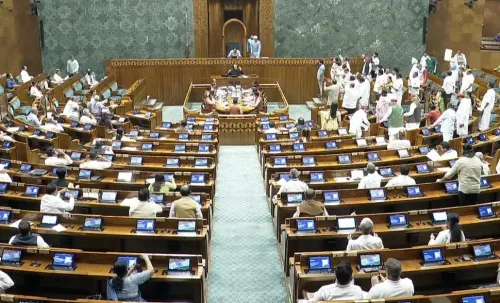
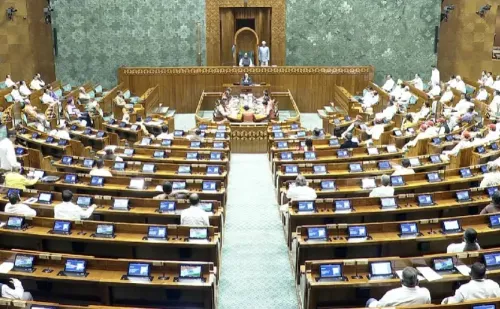
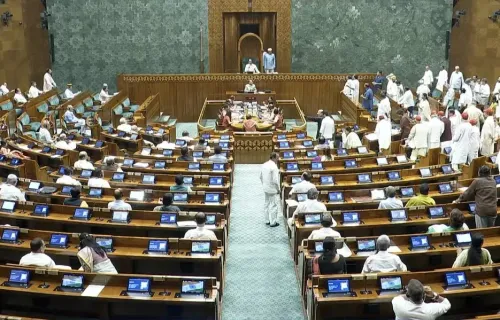
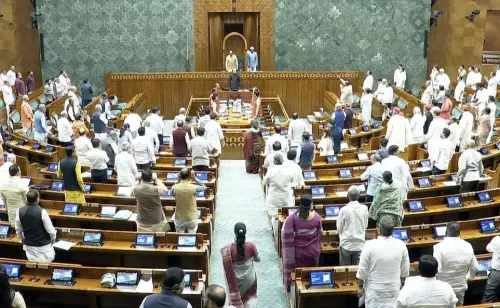
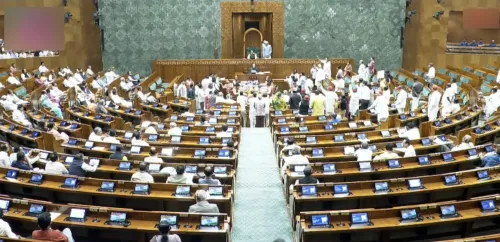
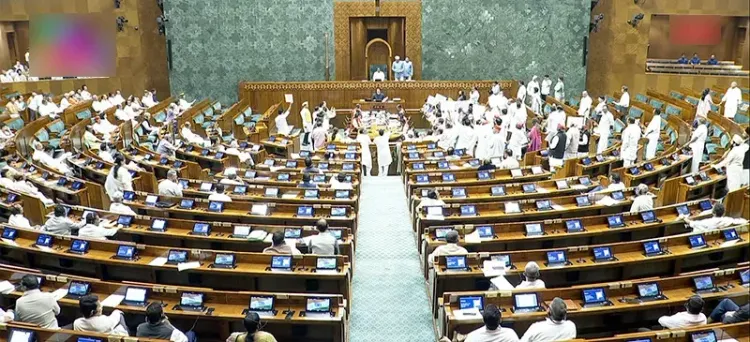
The Lok Sabha on Tuesday, 4 August 2026 passed the Appropriation (No. 3) Bill, 2026 by a voice vote amid sustained Opposition protests, authorising expenditure from the Consolidated Fund of India to cover excess spending from the financial year ended 31 March 2023. The passage came as the Lower House witnessed repeated disruptions, with Opposition members raising slogans over multiple contentious issues.
Key Developments in the House
Even as the Appropriation Bill was cleared, Finance Minister Nirmala Sitharaman introduced the Taxation and Other Laws (Amendment) Bill for consideration. The legislation proposes amendments to the Payment and Settlement Systems Act, 2007, the Income-tax Act, 2025, and the Finance Act, 2026. The Lok Sabha was subsequently adjourned for the day and is scheduled to reconvene on Wednesday at 11 am.
What Triggered the Opposition Protests
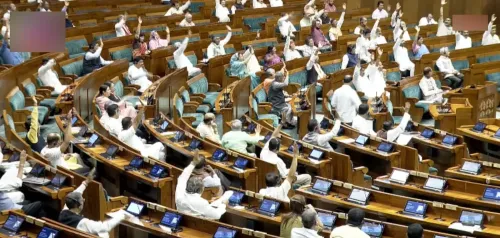
Opposition members staged demonstrations both inside and outside Parliament over a clutch of grievances. Chief among them were allegations of embezzlement of Ram Mandir donations, police action against protesters during the Parliament March on 20 July in New Delhi, and the long-running Cauvery water dispute. Opposition parties have also been pressing the government for a response from the Union Home Minister over the alleged firing on protesters at Jantar Mantar on 20 July.
NEET Controversy Adds to the Deadlock
The NEET paper leak controversy has been a parallel flashpoint during the ongoing Monsoon Session, adding to the legislative logjam. This comes amid a broader pattern of disrupted sessions — the Lok Sabha on Monday had passed a Bill to increase the sanctioned strength of judges in the Supreme Court also without any discussion, underscoring how Opposition protests are short-circuiting legislative deliberation.
BJP Hits Back at Opposition
The Bharatiya Janata Party (BJP) on Tuesday accused the Congress and its allies of deliberately obstructing parliamentary business, arguing that elected representatives were being denied the opportunity to raise public issues and debate critical legislation. The party characterised the disruptions as a coordinated effort to prevent the House from functioning during the Monsoon Session.
What Happens Next
Both Houses of Parliament recorded multiple adjournments on Tuesday, with no signs of an immediate resolution to the deadlock. The introduction of the Taxation and Other Laws (Amendment) Bill signals the government's intent to push through legislative business regardless of the disruptions. Whether the Opposition will allow substantive debate when the House reconvenes on Wednesday remains to be seen.
Point of View
However legitimate its grievances, is handing the treasury benches a convenient cover: legislation passes anyway, and the disruption becomes the story rather than the substance of the Bills. The Taxation and Other Laws (Amendment) Bill, which touches three major statutes, deserved floor scrutiny. The Monsoon Session's deepening deadlock raises a harder question — whether Parliament as an institution of accountability is being hollowed out from both sides of the aisle.
NationPress
18 Sept 2026
Frequently Asked Questions
What is the Appropriation (No. 3) Bill, 2026?
The Appropriation (No. 3) Bill, 2026 authorises withdrawal from the Consolidated Fund of India to cover excess expenditure incurred during the financial year that ended on 31 March 2023. It was passed by the Lok Sabha on 4 August 2026 by a voice vote amid Opposition protests.
Why was the Lok Sabha disrupted on 4 August 2026?
Opposition members protested over several issues including alleged embezzlement of Ram Mandir donations, police action against protesters at Jantar Mantar on 20 July, the Cauvery water dispute, and the NEET paper leak controversy. Multiple adjournments were recorded in both Houses of Parliament.
What is the Taxation and Other Laws (Amendment) Bill introduced on 4 August?
Finance Minister Nirmala Sitharaman introduced the Taxation and Other Laws (Amendment) Bill in the Lok Sabha for consideration on 4 August 2026. It proposes amendments to the Payment and Settlement Systems Act, 2007, the Income-tax Act, 2025, and the Finance Act, 2026.
What happened to the Supreme Court judges Bill in the Lok Sabha?
The day before, on Monday, the Lok Sabha passed a Bill to increase the sanctioned strength of judges in the Supreme Court without any discussion, also amid persistent Opposition protests — mirroring the pattern seen with the Appropriation Bill.
What has the BJP said about the Parliament disruptions?
The BJP accused the Congress and its allies of deliberately obstructing parliamentary business during the Monsoon Session, arguing that the disruptions are depriving elected representatives of the opportunity to raise public issues and debate important legislation.