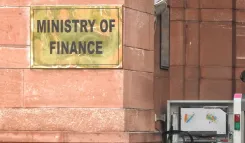
Government Activates Essential Commodities Act to Secure LPG Supply
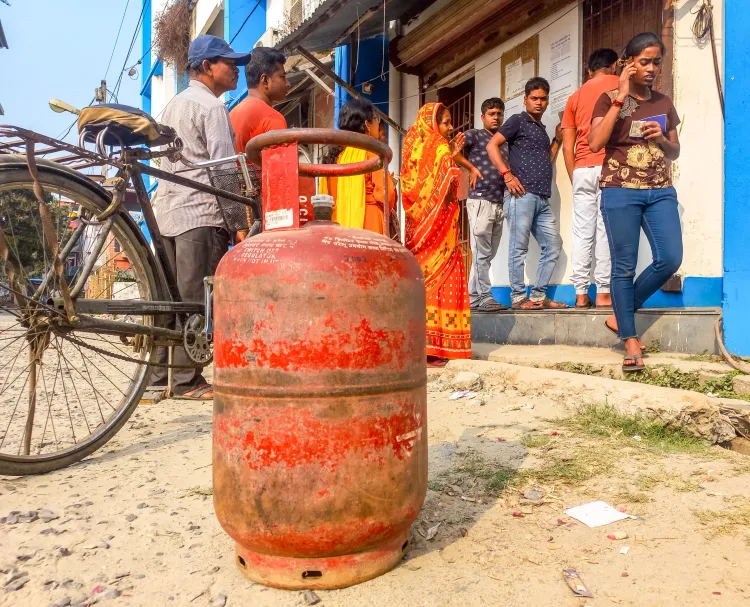
Synopsis
On March 10, the Indian government invoked the Essential Commodities Act to address a commercial LPG shortage affecting restaurants and hotels. This move aims to stabilize and ensure the uninterrupted supply of domestic cooking gas amid rising demand driven by panic buying.
Key Takeaways
Government invokes Essential Commodities Act to ensure uninterrupted LPG supply.
Refineries instructed to maximize LPG production.
Natural Gas Supply Regulation Order 2026 prioritizes essential sectors.
Waiting period for LPG refills increased to curb hoarding.
Current LPG supply is sufficient amid rising demand.
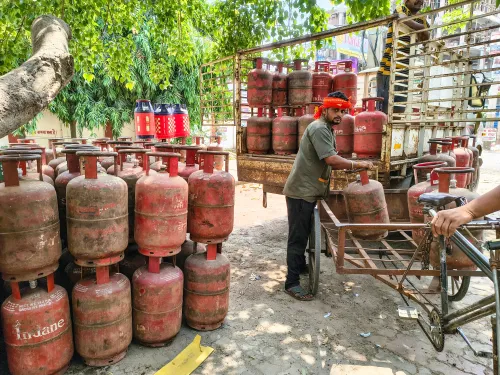
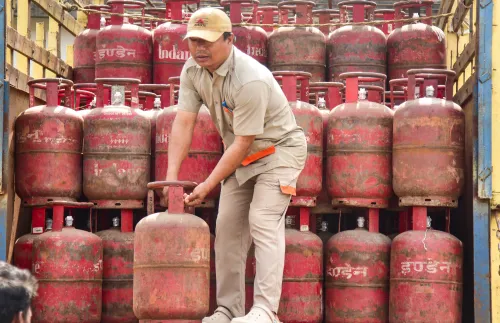
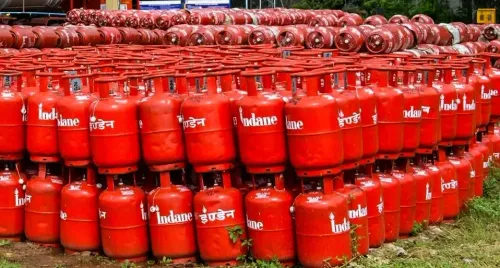
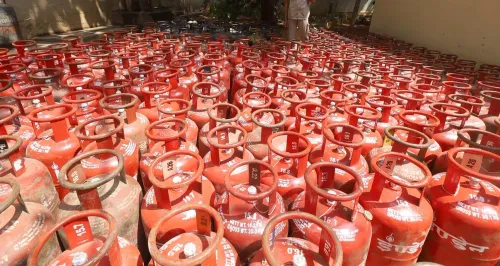
New Delhi, March 10 (NationPress) In response to reports of a commercial LPG shortage affecting hotels and restaurants, the government has implemented the Essential Commodities (EC) Act to guarantee a steady supply of domestic cooking gas. This directive instructs refineries and petrochemical facilities to increase LPG production as a priority.
The invocation of the EC Act aims to facilitate the redirection of pivotal hydrocarbon streams into the LPG pool.
Additionally, authorities have mandated these facilities to channel vital hydrocarbon streams to the LPG pool to enhance availability and ensure steady supplies for household use.
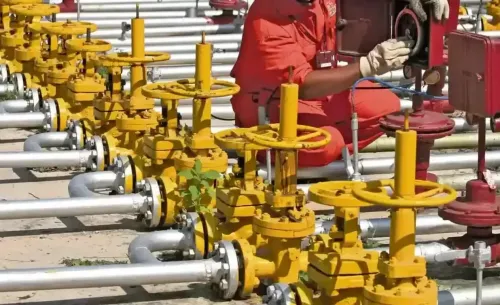
The government has also introduced the Natural Gas (Supply Regulation) Order 2026, which oversees the production and allocation of natural gas across various sectors, including LNG and re-gasified LNG, prioritizing supply for essential industries.
Under this order, sectors such as domestic PNG supply, CNG for transportation, LPG production, fuel for pipeline compressors, fertilizer manufacturing, tea production, and other critical industrial consumers will receive priority.
Moreover, the government has assigned GAIL, in collaboration with the Petroleum Planning and Analysis Cell (PPAC), the role of enforcing the natural gas supply regulation and ensuring compliance with the sector-specific allocation framework.
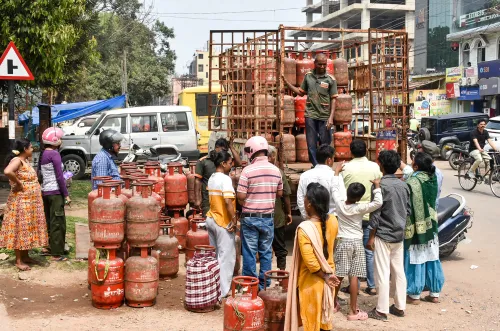
In light of recent panic buying spurred by concerns over the Iran conflict, the government has extended the minimum waiting period for booking a domestic LPG cylinder refill from 21 days to 25 days, aiming to discourage hoarding.
Officials have assured that there is adequate LPG supply in the country, and this adjustment in booking time is a strategic move to manage inventory effectively.
The rise in demand, estimated at 15 to 20 percent, has been attributed to consumer anxiety regarding potential supply disruptions due to the escalating Middle Eastern conflict.
On average, households require 7-8 cylinders of 14.2 kg each annually, typically not needing a refill in under 6 weeks, an official noted.
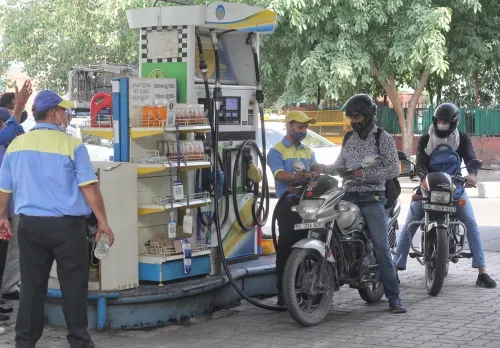
A senior official indicated that there will be no increase in petrol and diesel prices for the moment, as oil marketing companies—Indian Oil, Bharat Petroleum, and Hindustan Petroleum—are expected to absorb the current cost pressures. The government is vigilantly watching global oil market trends but has no immediate plans to adjust retail fuel prices.
Furthermore, Parliament was informed that India currently possesses a total capacity to store crude oil and petroleum products for 74 days, which is crucial for managing any disruptions arising from adverse situations like geopolitical conflicts.
Point of View
The government's swift action to invoke the Essential Commodities Act demonstrates a proactive approach to managing energy supply challenges. Ensuring stable LPG availability is vital for households and businesses alike, especially in light of current geopolitical tensions that threaten supply chains.
NationPress
3 Oct 2026
Frequently Asked Questions
What is the Essential Commodities Act?
The Essential Commodities Act is legislation that allows the government to regulate the production, supply, and distribution of essential goods to ensure their availability during shortages.
Why was the waiting period for LPG cylinder refills increased?
The waiting period was increased to prevent hoarding and manage inventory effectively amidst rising consumer demand due to panic buying.
Which sectors will receive priority in natural gas supply?
Priority will be given to sectors such as domestic PNG supply, CNG for transport, LPG production, and key industrial consumers.
Is there currently a shortage of LPG in India?
Officials have stated that there is sufficient LPG supply in the country, and measures have been taken to manage demand effectively.
Will fuel prices be increased soon?
Currently, there are no plans to increase petrol and diesel prices as oil marketing companies are absorbing the cost pressures.