Did the LS pass the VB-G RAM G Bill amidst Opposition uproar? PM Modi's ideals live on, asserts Shivraj Chouhan
Click to start listening
Synopsis
In a notable Lok Sabha session on December 18, the VB-G RAM-G Bill was passed despite intense opposition protests. Union Minister Shivraj Singh Chouhan championed the bill, linking it to Mahatma Gandhi's ideals. This pivotal legislation aims to enhance rural employment, yet faced criticism from Congress for undermining MGNREGA's rights. Discover how this bill shapes rural India.
Key Takeaways
- The VB-G RAM-G Bill ensures 125 days of guaranteed employment for rural households.
- It replaces the MGNREGA, aiming to enhance rural livelihoods.
- Union Minister Shivraj Singh Chouhan linked the bill to Mahatma Gandhi's ideals.
- The Opposition criticized the bill for eroding fundamental rights.
- The legislation is seen as pivotal for rural infrastructure development.
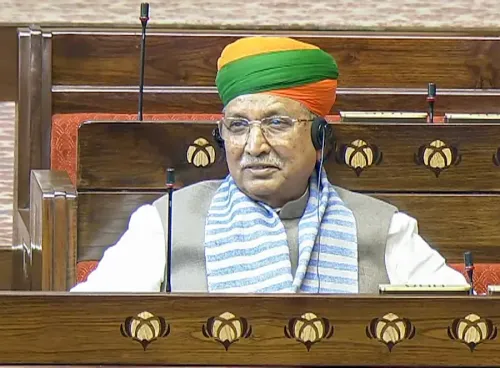
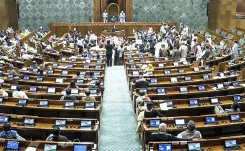
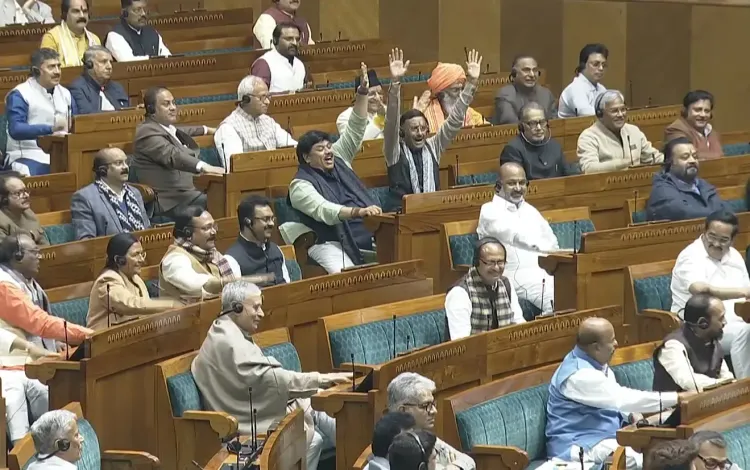
New Delhi, Dec 18 (NationPress) In a heated session characterized by intense protests and chants from the Opposition, the Lok Sabha successfully passed the Viksit Bharat - Guarantee for Rozgar and Ajeevika Mission (Gramin) Bill, 2025 (VB-G RAM-G Bill) through a voice vote on Thursday.
This new legislation replaces the Mahatma Gandhi National Rural Employment Guarantee Act (MGNREGA) with an improved guarantee of 125 days of wage employment each year for rural households, moving forward despite calls for additional examination.
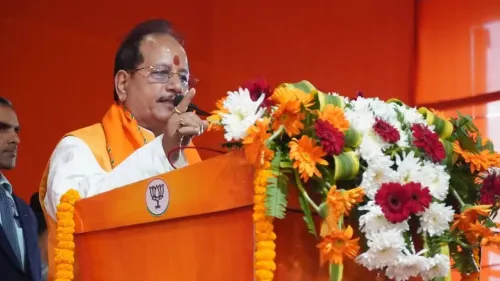
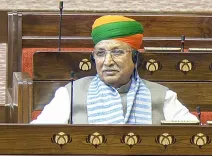
The session was shortly adjourned until December 19. Union Minister Shivraj Singh Chouhan, while defending the Bill amidst the chaos, drew a sharp distinction between the government's methods and the Opposition's historical actions.
"The Congress party aimed to undermine Bapu's ideals, whereas Narendra Modi has dedicated himself to preserving them," he stated.
Referencing Mahatma Gandhi's vision, Chouhan emphasized the alignment of the Modi government’s major initiatives with Gandhian principles.
"Bapu’s essence thrives today in homes constructed under the Pradhan Mantri Awas Yojana, in the Jal Jeevan Mission and Swachh Bharat Mission, in the Ujjwala Yojana that has eliminated smoke from ten crore kitchens, in Ayushman Bharat which guarantees healthcare for 36 crore individuals, and in 1.5 lakh Ayushman Arogya Mandirs providing affordable healthcare," he noted during the discussion.
Chouhan additionally recognized Gandhi's influence in Direct Benefit Transfer (DBT), Jan Dhan Yojana, Mudra Yojana, Skill India, Atal Mission, and PM Garib Kalyan Anna Yojana.
"Bapu exists not merely in images but resides in our hearts. His ideals are reflected in this scheme," Chouhan emphasized, referring to the Bill's 60:40 Centre-state funding ratio aimed at constructing a "new India".
He underscored the significance of the legislation in empowering the underprivileged through development and comprehensive rural infrastructure enhancement.
Minister Chouhan concluded his passionate address with a poem by former Prime Minister Atal Bihari Vajpayee, emphasizing the themes of national unity and advancement.
The Opposition, spearheaded by Congress, condemned the Bill as a degradation of MGNREGA's demand-oriented rights and an affront to Gandhi by removing his name.
Protests persisted throughout the proceedings, prompting brief adjournments earlier in the day. Previously, Congress member K.C. Venugopal urged that the Bill be sent to the JPC or the Standing Committee.
Following the Bill's passage, Speaker Om Birla adjourned the House for the day.
Point of View
The passage of the VB-G RAM-G Bill signifies a crucial shift in rural employment policy in India. While the government touts this legislation as a step forward in enhancing rural livelihoods, the Opposition's concerns about the erosion of MGNREGA rights warrant serious consideration. This discourse is vital for ensuring a balanced approach that truly serves the interests of rural communities.
NationPress
18/12/2025
Frequently Asked Questions
What is the VB-G RAM-G Bill?
The VB-G RAM-G Bill is a legislation that aims to replace the Mahatma Gandhi National Rural Employment Guarantee Act (MGNREGA) with a guarantee of 125 days of wage employment annually for rural households.
Why was the VB-G RAM-G Bill criticized?
The Opposition, led by Congress, criticized the bill for undermining the demand-driven rights established by MGNREGA and viewed the removal of Gandhi's name as an insult.
What are the benefits of the VB-G RAM-G Bill?
The bill aims to empower rural households through increased employment opportunities and improved rural infrastructure, contributing to poverty alleviation.
Who defended the VB-G RAM-G Bill during the session?
Union Minister Shivraj Singh Chouhan defended the bill, emphasizing its alignment with Mahatma Gandhi's principles and its potential impact on rural development.
What was the outcome of the Lok Sabha session on December 18?
The Lok Sabha passed the VB-G RAM-G Bill via voice vote despite protests from the Opposition and was subsequently adjourned until December 19.