Madan Rathore Advocates for Safer Digital India Amid New IT Act Rules
Synopsis
In a significant development, the Central government responded to MP Madan Rathore's concerns about harmful social media content. The new IT Act rules aim to enhance digital safety, ensuring accountability and protection for citizens, especially the youth.
Key Takeaways
Stricter penalties for cyber offences introduced in the IT Act.
Social media platforms are legally required to manage harmful content.
Significant Social Media Intermediaries must appoint key compliance officials.
New rules target emerging threats like deepfakes.
User grievance redressal mechanisms are being strengthened.
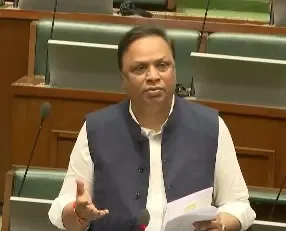
Jaipur, March 19 (NationPress) On Thursday, the Central government presented a comprehensive and factual response to concerns raised by Rajya Sabha MP Madan Rathore during Zero Hour on December 12, 2025, regarding the urgent need for regulations to combat the proliferation of obscene and harmful "reels" on social media platforms.
In his response, Jitin Prasada, Union Minister of State for Electronics and Information Technology and Commerce and Industry, reiterated that India's current legal framework, which includes the Information Technology Act, 2000, and the Information Technology (Intermediary Guidelines and Digital Media Ethics Code) Rules, 2021, is both robust and sufficiently equipped to handle the misuse of social media.
He underscored the government's commitment to fostering a safe, accountable, and lawful digital environment, while continuously taking decisive measures to address emerging cyber threats.
Rathore highlighted critical provisions, stating that the IT Act, 2000, incorporates stringent penalties for cybercrimes such as identity theft, impersonation fraud, privacy violations, distribution of obscene or sexually explicit materials, child sexual abuse content, cyber terrorism, and government-sanctioned blocking of illegal content.
Moreover, he mentioned that according to the IT Rules, 2021, social media intermediaries are legally bound to exercise due diligence to prevent the spread of illegal, obscene, misleading, or harmful content. Failure to comply could result in the loss of their legal immunity and liability under the law.
Intermediaries must also remove unlawful content within a specified timeframe upon receiving court orders or directives from authorized government agencies.
Additionally, 'Significant Social Media Intermediaries'—those with over 5 million users—are mandated to appoint key officials, including a Grievance Officer, Chief Compliance Officer, and Nodal Contact Person in India, to ensure constant cooperation with law enforcement.
The government has also set up Grievance Appellate Committees to bolster user grievance redressal processes.
Furthermore, amendments to the IT Rules, effective February 20, 2026, introduce comprehensive measures to address new threats like deepfakes and synthetically generated information (SGI). These measures include clearer definitions of digital content, mandatory labeling and metadata requirements, periodic user awareness campaigns, stricter timelines for content removal, and enhanced due diligence frameworks to mitigate the spread of misleading or harmful material.
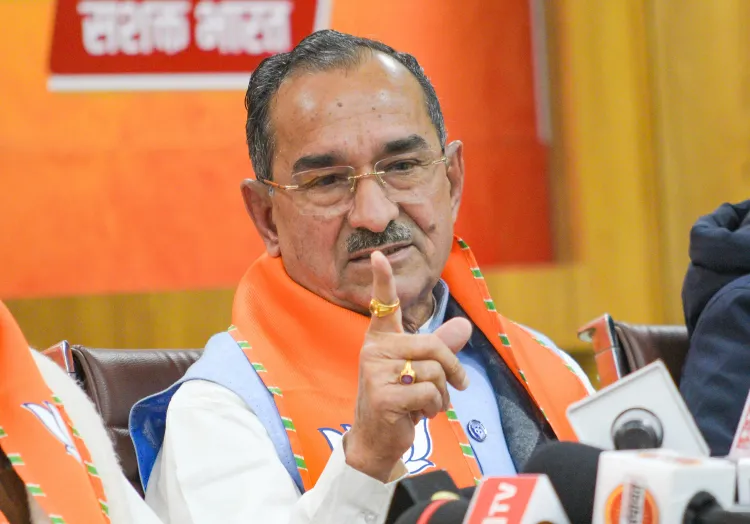
Rathore commended the government's detailed and forward-thinking response, emphasizing that decisive action against obscene and harmful social media content is imperative.
He asserted that the strengthened legal provisions will boost platform accountability while protecting citizens, particularly the youth and children, from digital threats.
Praising Prime Minister Narendra Modi's leadership, Rathore remarked that India is swiftly advancing toward a secure, transparent, and responsible digital ecosystem.
He expressed optimism that such proactive and visionary policies will further elevate India's global position in cybersecurity.
Point of View
The government's response to concerns over social media content reflects a commitment to safeguarding digital spaces. The updated IT Act rules are poised to enhance accountability among platforms, ensuring they take responsibility for the content shared. This proactive approach aims to protect vulnerable users while addressing emerging cyber threats.
NationPress
7 Oct 2026
Frequently Asked Questions
What are the main provisions of the IT Act, 2000?
The IT Act, 2000, includes strict penalties for cyber offences such as identity theft, privacy violations, and the distribution of obscene content.
What obligations do social media intermediaries have under the IT Rules, 2021?
Social media intermediaries must exercise due diligence to prevent the dissemination of illegal content and remove unlawful material upon receiving court orders.
Who qualifies as a 'Significant Social Media Intermediary'?
A 'Significant Social Media Intermediary' is defined as any platform with over 5 million users.
What new threats do the amendments to the IT Rules address?
The amendments address threats such as deepfakes and synthetically generated information, introducing measures for clearer definitions and stricter content management.
How does the government plan to enhance user grievance redressal?
The government has established Grievance Appellate Committees to strengthen the mechanisms for addressing user complaints.