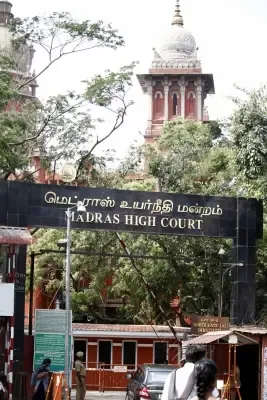
Madras HC bans new Tasmac liquor outlets across Tamil Nadu
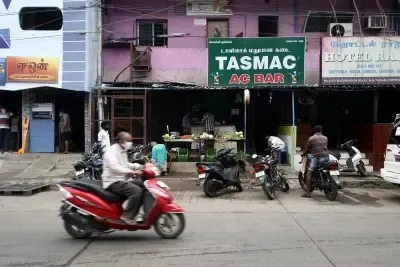
Synopsis
A single village complaint in Tiruchy district has produced a statewide legal freeze: the Madurai Bench of the Madras High Court has banned all new Tasmac liquor outlet openings across Tamil Nadu, ruling existing shops are enough. The order puts the state's liquor-revenue model under direct judicial scrutiny for the first time through a blanket directive.
Key Takeaways
The Madurai Bench of the Madras High Court on 18 November 2026 banned the opening of any new Tasmac liquor outlets across Tamil Nadu .
A Division Bench of Justices Velmurugan and Ramakrishnan passed the order while disposing of a PIL filed by Manikandan of Navakinathapatti, Tiruchy district .
The court observed that Tamil Nadu already has an adequate number of Tasmac outlets and no new ones are needed.
The order covers new openings statewide but does not direct the closure of existing outlets.
Tasmac holds a state monopoly over retail liquor sales, and liquor revenue forms a significant share of the Tamil Nadu government's finances.
The state government has not yet publicly responded; legal observers expect a possible challenge before a larger Bench.
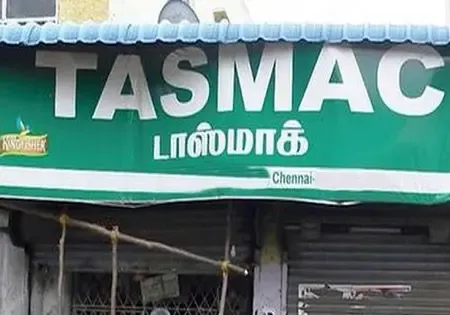
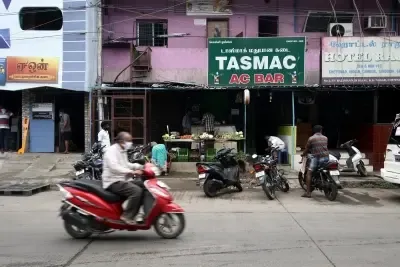
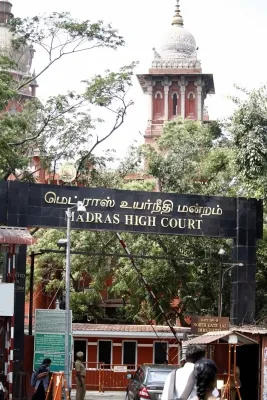
The Madurai Bench of the Madras High Court on Wednesday, 18 November 2026, directed state authorities not to open any new Tamil Nadu State Marketing Corporation (Tasmac) liquor outlets anywhere in Tamil Nadu, ruling that the existing number of shops was already sufficient. The statewide order, issued while disposing of a public interest litigation (PIL), marks a significant judicial check on the retail expansion of state-controlled liquor sales.
The PIL That Triggered a Statewide Order
The petition was filed by Manikandan, a resident of Navakinathapatti in Nallampillai village, Tiruchy district, who objected to plans by authorities to establish a new Tasmac outlet in his village. He sought a direction restraining the authorities from opening the shop, citing the interests and welfare of local residents.
A Division Bench comprising Justices Velmurugan and Ramakrishnan heard the matter and went considerably further than the petitioner had asked — instead of restricting relief to Navakinathapatti, the Bench issued a direction covering the entire state. The court observed that Tamil Nadu already had an adequate number of Tasmac outlets and that no case existed for establishing additional ones.
Scope and Limits of the Order
Wednesday's ruling effectively freezes the expansion of Tasmac's retail footprint across Tamil Nadu. However, the court did not direct the closure of any existing outlets — the order applies only to new openings going forward. The Bench disposed of the petition after issuing the statewide directive, giving it immediate effect.
Notably, the court's decision to convert a localised village complaint into a state-level prohibition signals judicial willingness to treat liquor retail expansion as a matter of broader public interest, not merely a neighbourhood grievance.
Why This Matters: The Tasmac Controversy
Tasmac, a wholly state government-owned corporation, holds a monopoly over the retail sale of Indian-made foreign liquor in Tamil Nadu. Revenue from liquor sales constitutes a substantial portion of the state government's finances, making any restriction a complex policy matter that pits fiscal interests against public health concerns.
The order comes amid sustained pressure from political parties, social organisations, and anti-liquor campaigners demanding a phased reduction in the number of outlets statewide. Concerns have repeatedly been raised over the impact of alcohol consumption on economically vulnerable families, public health, and social welfare. Successive state governments have faced calls for stricter regulation, particularly in areas where residents have formally objected to nearby outlets.
Broader Legal and Political Context
This is not the first time courts have intervened in Tamil Nadu's liquor retail policy, but a blanket statewide ban on new outlets issued through a single PIL disposal is an unusually sweeping step. The judgment adds legal weight to demands that have so far been addressed through administrative discretion rather than judicial mandate.
The Tamil Nadu government is yet to publicly respond to the order. Legal observers note that the state could challenge the direction before a larger Bench or the Supreme Court, given the significant revenue implications. Advocacy groups, meanwhile, have welcomed the ruling as a step toward reducing the accessibility of alcohol in rural and semi-urban communities.
What Happens Next
With the court order now in force, any move by authorities to open a new Tasmac outlet would be in contempt of court. The state government will need to decide whether to comply, seek a stay, or challenge the ruling. Anti-liquor groups are expected to monitor implementation closely and may approach the court if violations are reported.
Frequently Asked Questions
What did the Madras High Court order regarding Tasmac outlets?
The Madurai Bench of the Madras High Court on 18 November 2026 directed authorities not to open any new Tasmac liquor outlets anywhere in Tamil Nadu, ruling that the existing number of shops was sufficient. The order was passed by a Division Bench of Justices Velmurugan and Ramakrishnan while disposing of a PIL.
What was the original PIL about and who filed it?
The PIL was filed by Manikandan, a resident of Navakinathapatti in Nallampillai village, Tiruchy district, opposing plans to open a new Tasmac outlet in his village. The court went beyond the petitioner's request and issued a statewide direction rather than limiting relief to that village alone.
Does the court order shut down existing Tasmac shops?
No. The order applies only to the opening of new Tasmac outlets and does not direct the closure of any existing liquor shops. The existing retail network of Tasmac across Tamil Nadu remains unaffected by this ruling.
Why is Tasmac revenue significant for Tamil Nadu?
Tasmac, a state-owned corporation, holds a monopoly over retail sale of Indian-made foreign liquor in Tamil Nadu, and liquor revenue constitutes a significant share of the state government's finances. This makes liquor regulation a complex policy issue balancing fiscal needs against public health and social welfare concerns.
What can the Tamil Nadu government do next?
The state government can comply with the order, seek a stay from a larger Bench of the Madras High Court, or challenge it before the Supreme Court. Legal observers note that the significant revenue implications make a legal challenge likely, while anti-liquor groups are expected to monitor compliance closely.