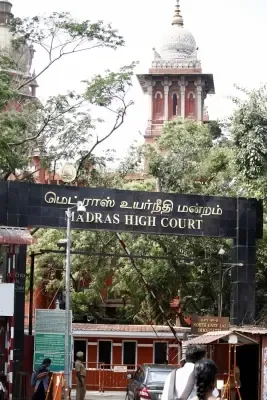
Madras HC rejects plea to bar resigned MLAs from contesting bypolls
Synopsis
A Chennai advocate's bid to make resigned MLAs pay for the bypolls they trigger — and face a five-year contest ban — has been dismissed by the Madras High Court. The bench ruled that such disqualifications and cost-recovery rules require Parliament or the legislature to act, not a court order, leaving a widely criticised electoral loophole intact for now.
Key Takeaways
The Madras High Court dismissed a PIL on 24 September 2026 seeking to bar resigned MLAs from contesting bypolls for five years .
Petitioner Sudhan , an advocate from Saidapet, Chennai , also sought to make resigning legislators deposit the cost of bypolls before filing nominations.
The bench of Chief Justice Sushrut Arvind Dharmadhikari and Justice G.
Arul Murugan held that such changes require legislation, not a court order.
The Election Commission of India opposed the plea, stating it has no role in a legislator's post-result resignation decision.
Bypolls in Madurantakam and Dharapuram constituencies, which the petitioner sought to stay, are now free to proceed.
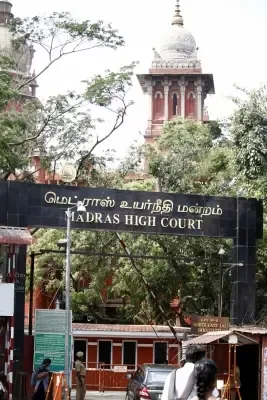
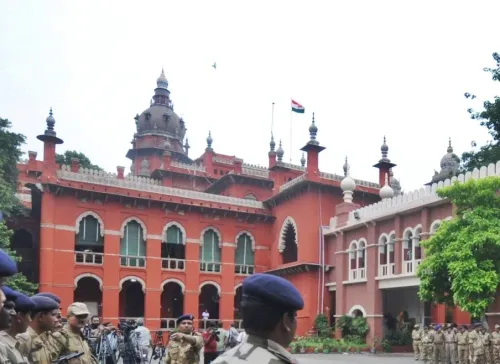
The Madras High Court on 24 September 2026 dismissed a public interest litigation seeking to disqualify legislators who resign for political reasons from contesting bypolls for five years and to make them bear the financial cost of the elections they trigger. The bench held that the changes sought by the petitioner require legislative action and cannot be introduced through a court order.
What the Petition Sought
The PIL was filed by Sudhan, an advocate from Saidapet, Chennai. He argued that elected representatives who step down shortly after winning a mandate disregard the trust placed in them by voters and compel the public exchequer to fund a fresh election. Sudhan asked the court to direct the Election Commission of India (ECI) to frame a procedure requiring such former MLAs to deposit the cost of a bypoll before filing nomination papers to contest it. He also sought a statutory amendment barring legislators who resign for political reasons from contesting elections for five years.
As an interim relief, Sudhan requested a stay on the bypolls in the Madurantakam and Dharapuram constituencies pending the disposal of his petition.
Arguments Raised During the Hearing
During the course of the hearing, the petitioner highlighted a scenario in which a winning candidate could resign within two weeks of a victory and re-enter the fray as the nominee of a rival party. He contended that even without a specific statutory provision, the court retained the authority to issue directions to address the problem, and questioned what would happen if a large number of MLAs resigned simultaneously. The ECI opposed the plea, submitting that it had no role in a legislator's post-result decision to resign and arguing that the petition was not fit for judicial consideration.
The Court's Ruling
The matter was heard by a bench of Chief Justice Sushrut Arvind Dharmadhikari and Justice G. Arul Murugan. After reserving its decision, the bench dismissed the PIL, holding that the proposed disqualification requirements and cost-recovery mechanisms would have to be considered by lawmakers through the formal legislative process. The judges observed that courts cannot introduce such provisions through judicial orders — the appropriate forum is Parliament or the relevant state legislature.
Why It Matters
The petition touches a recurring tension in Indian electoral politics: the phenomenon of legislators winning on one party's ticket and then resigning to contest a bypoll on behalf of another, effectively using the democratic process as a vehicle for political realignment. This practice has featured in high-profile defection episodes across several states in recent years, placing the spotlight on gaps in the anti-defection law. Notably, the Tenth Schedule of the Constitution addresses disqualification for defection but does not cover voluntary resignation followed by re-election on a rival ticket. Critics argue this loophole allows engineered floor-crossings at public expense.
What Happens Next
With the court ruling that legislative action is the only remedy, the onus shifts to Parliament and state assemblies to address the issue if they choose to. The bypolls in Madurantakam and Dharapuram constituencies, which the petitioner had sought to stall, are now free to proceed. Whether the ruling spurs a legislative debate on cost-recovery or disqualification norms for resigning MLAs remains to be seen.
Point of View
The cost — financial and democratic — continues to fall on voters.
NationPress
24 Sept 2026
Frequently Asked Questions
What did the Madras High Court rule on resigned MLAs contesting bypolls?
The Madras High Court dismissed a PIL on 24 September 2026 that sought to bar legislators who resign for political reasons from contesting bypolls for five years. The bench held that such disqualifications and cost-recovery provisions require legislative action and cannot be imposed by a court order.
Who filed the petition and what did it seek?
The PIL was filed by Sudhan, an advocate from Saidapet, Chennai. He sought a five-year ban on resigned MLAs contesting bypolls, a direction to the ECI to require such candidates to deposit bypoll costs at the time of nomination, and an interim stay on bypolls in Madurantakam and Dharapuram constituencies.
Why did the court reject the petition?
The bench of Chief Justice Sushrut Arvind Dharmadhikari and Justice G. Arul Murugan ruled that the proposed disqualification and cost-recovery requirements are matters for Parliament or the state legislature to decide through the legislative process, not for courts to introduce via judicial orders.
What was the Election Commission's stand?
The ECI opposed the petition, arguing that it has no role in a legislator's decision to resign after election results are declared and that the petition was not fit for judicial consideration.
What happens to the Madurantakam and Dharapuram bypolls now?
The interim stay sought by the petitioner was not granted, and the court has now dismissed the PIL entirely. The bypolls in Madurantakam and Dharapuram constituencies are therefore free to proceed as scheduled.