Maha Cabinet okays free grain for 42 lakh drought farmers

Synopsis
Maharashtra's Fadnavis Cabinet has cleared three months of free rice and wheat for 42.3 lakh farmers left out of NFSA and cash support, as the state battles what it calls an unprecedented drought. The same meeting also tightened the Right to Public Services Act with ₹25,000 penalties for delay and an auto-appeal for missed deadlines.
Key Takeaways
The Maharashtra Cabinet , chaired by CM Devendra Fadnavis , approved free food grains for 42,30,783 farmers in 33 districts .
Eligible persons will get 5 kg a month ( 3 kg rice and 2 kg wheat ) for three months , after which the scheme will be reviewed.
Mumbai City , Mumbai Suburban and Thane are excluded; beneficiaries are those outside NFSA and the ₹170 APL-DBT cash scheme.
The state already covers 5,79,34,702 NFSA beneficiaries and 21,60,682 farmers in 14 suicide-prone districts with cash support.
Grain will be issued via Aadhaar-linked biometric e-POS; additional allocation will be sought from the Union food ministry.
The Cabinet also approved amendments to the Maharashtra Right to Public Services Act, 2015 , with fines of up to ₹25,000 for delays and an auto-appeal mechanism.
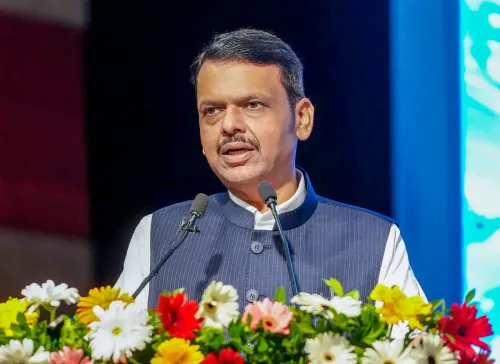
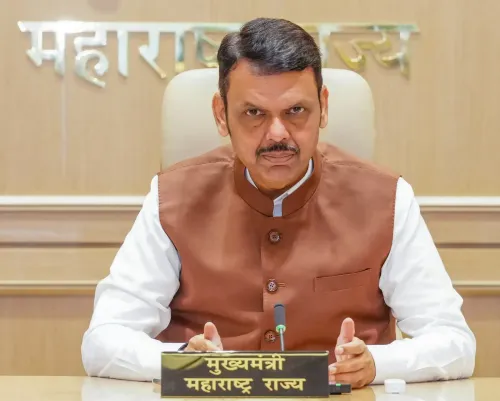
The Maharashtra Cabinet, chaired by Chief Minister Devendra Fadnavis, on Wednesday approved free food grains for 42,30,783 farmers across 33 districts who are not covered under the National Food Security Act (NFSA). The decision, taken in Mumbai in view of what the government has described as an unprecedented drought, excludes Mumbai City, Mumbai Suburban and Thane.
Who will receive the grain
The state already supplies free food grains to 5,79,34,702 beneficiaries under the National Food Security Scheme. Separately, 21,60,682 farmers in 14 suicide-prone districts receive a monthly cash assistance of ₹170 under the APL-DBT (Above Poverty Line – Direct Benefit Transfer) scheme. The new measure is aimed at farming families excluded from both of these programmes.
Each eligible person will get 5 kg of food grains a month, comprising 3 kg of rice and 2 kg of wheat, for the next three months. The government will then review the drought situation before deciding whether to extend the scheme. The 42,30,783 farmers across the 33 districts who neither receive grain under the NFSA nor cash under APL-DBT form the beneficiary pool.
How distribution will work
Ration cardholders whose Aadhaar seeding is complete will receive the grains through biometric verification on e-POS machines. The remaining beneficiaries will be covered through biometric verification once their Aadhaar seeding is completed. The Cabinet also approved a request to the Union Ministry of Consumer Affairs, Food and Public Distribution for the additional grain allocation required for this free distribution.
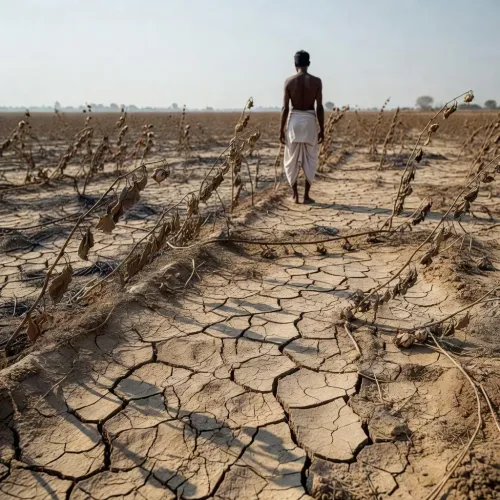
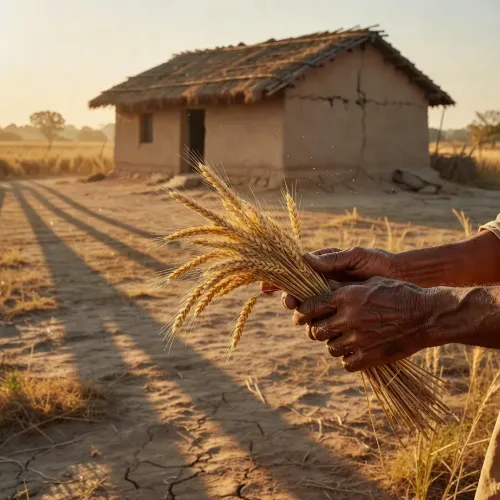
This comes amid a severe drought that has put farm households under stress across large parts of the state. Notably, the three-month window is explicitly time-bound, with a built-in review — a design that treats the measure as emergency relief rather than a permanent widening of the public distribution system. The exclusion of the three Mumbai-region districts underlines that the scheme is targeted at agrarian, not urban, distress.
Implementation will still depend on two practical gates: extra grain from the Centre, and completion of Aadhaar seeding for leftover ration cards. Households that are not yet seeded will wait until that process is finished, even as those already on e-POS begin drawing the entitlement.
Amendments to the Right to Public Services Act
In the same meeting, the Cabinet approved key amendments to the Maharashtra Right to Public Services Act, 2015, aimed at making public service delivery more effective, transparent and time-bound for citizens. Under the approved changes, accountability will be fixed on officers and employees when public services are delayed. Citizens will receive complete information on the first, second and third appeal processes.
The commission will be empowered to recommend unnotified services to the state government for inclusion. An auto-appeal mechanism will operate with the consent of online applicants if a service is not delivered within the stipulated timeframe. Adherence to time limits for disposing of first and second appeals will be binding, with fines of up to ₹25,000. Officers, staff and appellate authorities found causing unreasonable delays will face penalties of up to ₹25,000.
The Chief Commissioner and Commissioners will be authorised to conduct suo motu inquiries, impose penalties, summon records and information, and review orders passed by the commission. Divisional commissioners and district collectors will receive powers to inspect offices providing public services as well as offices of appellate authorities. The amendment bill also proposes raising the upper age limit for the Chief Commissioner and Commissioners from 65 to 67 years.
Why the twin decisions matter
Together, the two Cabinet decisions address both immediate rural hardship and longer-running complaints about delayed government services. The grain package plugs a documented gap between NFSA coverage and the narrower cash net in suicide-prone districts, while the RTS overhaul seeks to attach real financial consequences — up to ₹25,000 — to missed deadlines. Officials said the amendments will strengthen citizens' rights to timely public services and increase transparency, efficiency, discipline and accountability across the administration.
Farming families in the 33 districts who have so far sat outside both NFSA and APL-DBT are the immediate constituency of the drought decision. Every citizen seeking a notified public service stands to be affected once the RTS amendment bill becomes law. The grain scheme will run for three months, after which the Cabinet will reassess conditions on the ground, even as the state waits on additional allocation from the Centre.
Point of View
But a three-month window against an 'unprecedented' drought is a political hedge as much as a humanitarian one. Maharashtra already runs NFSA for 5.79 crore people and a thin ₹170 monthly cash transfer in 14 suicide-prone districts — the new list is an admission that both safety nets still leave a large agrarian residue. Tying delivery to Aadhaar-seeded e-POS will keep leakages down, but it will also delay the last mile for those whose seeding is incomplete, precisely the households most likely to be in distress. The RTS Act amendments, with ₹25,000 fines and auto-appeals, are the more structural story of the day; drought grain buys time, service-delivery law is what tests whether the administration can actually deliver it.
NationPress
25 Nov 2026
Frequently Asked Questions
What free food grain scheme did the Maharashtra Cabinet approve?
The Maharashtra Cabinet, chaired by Chief Minister Devendra Fadnavis, approved 5 kg of free food grains per person per month for 42,30,783 farmers not covered under the NFSA. The grain — 3 kg rice and 2 kg wheat — will be given for three months in 33 districts, excluding Mumbai City, Mumbai Suburban and Thane.
Who will receive the free food grains in Maharashtra?
Farming families in 33 districts who are neither NFSA grain beneficiaries nor recipients of the ₹170 monthly APL-DBT cash assistance in 14 suicide-prone districts will be covered. The pool is 42,30,783 farmers; Mumbai City, Mumbai Suburban and Thane are excluded.
How long will the free grain distribution last?
The free distribution is sanctioned for three months, after which the government will review the drought situation before deciding whether to extend it. Additional grain will be sought from the Union Ministry of Consumer Affairs, Food and Public Distribution.
How will farmers collect the free food grains?
Ration cardholders with completed Aadhaar seeding will collect the grain through biometric verification on e-POS machines. Others will be included through biometric checks once their Aadhaar seeding is finished.
What amendments were approved to the Maharashtra Right to Public Services Act?
The Cabinet approved amendments to the 2015 Act to fix accountability for delayed services, with fines of up to ₹25,000, an auto-appeal for missed online deadlines, and inspection powers for divisional commissioners and collectors. The amendment bill also proposes raising the upper age limit for the Chief Commissioner and Commissioners from 65 to 67 years.